The main interest of the Abramson lab (est. Jan 2011) is to understand how immunological tolerance to self is established and how breakdown of this process results in autoimmunity. Specifically, the lab studies the role of the thymus gland and of the autoimmune regulator (AIRE) gene in these processes, but also investigates their non-conventional and emerging roles within the immune system. Furthermore, the lab is interested in translating their findings from basic research into designing novel approaches for immune-based therapies.
To address the above goals, the lab utilizes a broad and diverse arsenal of tools and expertise ranging from classical immunology, molecular biology, multiomics, microscopy, in-vivo gene editing, generation and analysis of genetically manipulated mouse models, as well as studies on human patients.
Abramson J., Dobeš J., Lyu M. & Sonnenberg G. F.
(2024)
Nature Reviews Immunology.
24,
p. 64-77
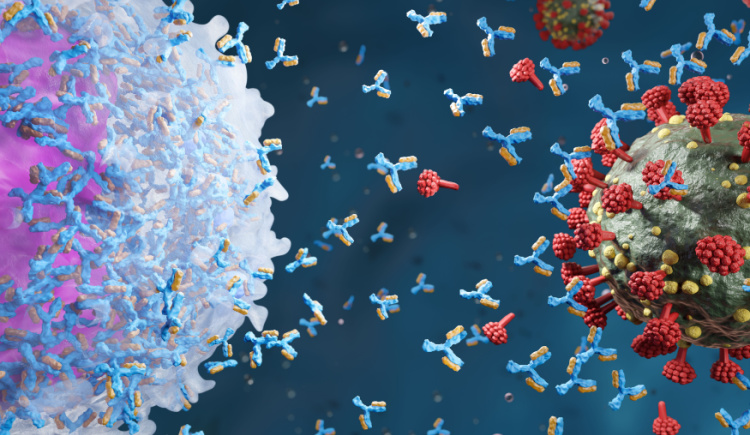
Antigen-presenting cells (APCs) are master regulators of the immune response by directly interacting with T cells to orchestrate distinct functional outcomes. Several types of professional APC exist, including conventional dendritic cells, B cells and macrophages, and numerous other cell types have non-classical roles in antigen presentation, such as thymic epithelial cells, endothelial cells and granulocytes. Accumulating evidence indicates the presence of a new family of APCs marked by the lineage-specifying transcription factor retinoic acid receptor-related orphan receptor-γt (RORγt) and demonstrates that these APCs have key roles in shaping immunity, inflammation and tolerance, particularly in the context of hostmicroorganism interactions. These RORγt+ APCs include subsets of group 3 innate lymphoid cells, extrathymic autoimmune regulator-expressing cells and, potentially, other emerging populations. Here, we summarize the major findings that led to the discovery of these RORγt+ APCs and their associated functions. We discuss discordance in recent reports and identify gaps in our knowledge in this burgeoning field, which has tremendous potential to advance our understanding of fundamental immune concepts.
Gruper Y., Wolff A. S. B., Glanz L., Spoutil F., Marthinussen M. C., Osickova A., Herzig Y., Goldfarb Y., Aranaz-Novaliches G., Dobeš J., Kadouri N., Ben-Nun O., Binyamin A., Lavi B., Givony T., Khalaila R., Gome T., Wald T., Mrazkova B., Sochen C., Besnard M., Ben-Dor S., Feldmesser E., Orlova E. M., Hegedűs C., Lampé I., Papp T., Felszeghy S., Sedlacek R., Davidovich E., Tal N., Shouval D. S., Shamir R., Guillonneau C., Szondy Z., Lundin K. E. A., Osicka R., Prochazka J., Husebye E. S. & Abramson J.
(2023)
Nature.
624,
7992,
p. 653-662
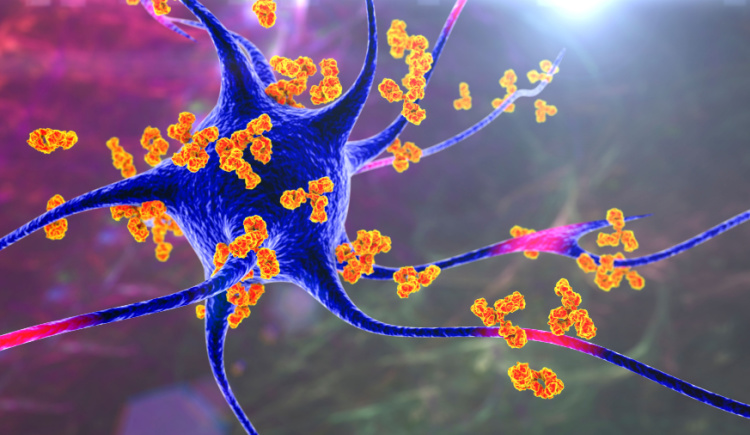
Ameloblasts are specialized epithelial cells in the jaw that have an indispensable role in tooth enamel formationamelogenesis1. Amelogenesis depends on multiple ameloblast-derived proteins that function as a scaffold for hydroxyapatite crystals. The loss of function of ameloblast-derived proteins results in a group of rare congenital disorders called amelogenesis imperfecta2. Defects in enamel formation are also found in patients with autoimmune polyglandular syndrome type-1 (APS-1), caused by AIRE deficiency3,4, and in patients diagnosed with coeliac disease57. However, the underlying mechanisms remain unclear. Here we show that the vast majority of patients with APS-1 and coeliac disease develop autoantibodies (mostly of the IgA isotype) against ameloblast-specific proteins, the expression of which is induced by AIRE in the thymus. This in turn results in a breakdown of central tolerance, and subsequent generation of corresponding autoantibodies that interfere with enamel formation. However, in coeliac disease, the generation of such autoantibodies seems to be driven by a breakdown of peripheral tolerance to intestinal antigens that are also expressed in enamel tissue. Both conditions are examples of a previously unidentified type of IgA-dependent autoimmune disorder that we collectively name autoimmune amelogenesis imperfecta.
Givony T., Leshkowitz D., Del Castillo D., Nevo S., Kadouri N., Dassa B., Gruper Y., Khalaila R., Ben-Nun O., Gome T., Dobeš J., Ben-Dor S., Kedmi M., Keren-Shaul H., Heffner-Krausz R., Porat Z., Golani O., Addadi Y., Brenner O., Lo D. D., Goldfarb Y. & Abramson J.
(2023)
Nature.
622,
7981,
p. 164172
Development of immunocompetent T cells in the thymus is required for effective defence against all types of pathogens, including viruses, bacteria and fungi. To this end, T cells undergo a very strict educational program in the thymus, during which both non-functional and self-reactive T cell clones are eliminated by means of positive and negative selection 1.Thymic epithelial cells (TECs) have an indispensable role in these processes, and previous studies have shown the notable heterogeneity of these cells 27. Here, using multiomic analysis, we provide further insights into the functional and developmental diversity of TECs in mice, and reveal a detailed atlas of the TEC compartment according to cell transcriptional states and chromatin landscapes. Our analysis highlights unconventional TEC subsets that are similar to functionally well-defined parenchymal populations, including endocrine cells, microfold cells and myocytes. By focusing on the endocrine and microfold TEC populations, we show that endocrine TECs require Insm1 for their development and are crucial to maintaining thymus cellularity in a ghrelin-dependent manner; by contrast, microfold TECs require Spib for their development and are essential for the generation of thymic IgA+ plasma cells. Collectively, our study reveals that medullary TECs have the potential to differentiate into various types of molecularly distinct and functionally defined cells, which not only contribute to the induction of central tolerance, but also regulate the homeostasis of other thymus-resident populations.
Dobeš J., Ben-Nun O., Binyamin A., Stoler-Barak L., Oftedal B. E., Goldfarb Y., Kadouri N., Gruper Y., Givony T., Zalayat I., Kováčová K., Böhmová H., Valter E., Shulman Z., Filipp D., Husebye E. S. & Abramson J.
(2022)
Nature Immunology.
23,
7,
p. 1098-1108
Patients with loss of function in the gene encoding the master regulator of central tolerance AIRE suffer from a devastating disorder called autoimmune polyendocrine syndrome type 1 (APS-1), characterized by a spectrum of autoimmune diseases and severe mucocutaneous candidiasis. Although the key mechanisms underlying the development of autoimmunity in patients with APS-1 are well established, the underlying cause of the increased susceptibility to Candida albicans infection remains less understood. Here, we show that Aire+MHCII+ type 3 innate lymphoid cells (ILC3s) could sense, internalize and present C. albicans and had a critical role in the induction of Candida-specific T helper 17 (TH17) cell clones. Extrathymic Rorc-Cre-mediated deletion of Aire resulted in impaired generation of Candida-specific TH17 cells and subsequent overgrowth of C. albicans in the mucosal tissues. Collectively, our observations identify a previously unrecognized regulatory mechanism for effective defense responses against fungal infections.
Goldfarb Y., Givony T., Dobeš J., Kadouri N., Zalayat I., Peligero-Cruz C., Damari G., Dassa B., Ben-Dor S., Gruper Y., Oftedal B. E., Bratland E., Erichsen M. M., Berger A., Avin A., Nevo S., Haljasorg U., Kuperman Y., Ulman A., Porat Z., Haffner-Krausz R., Atasoy U., Leshkowitz D., Husebye E. S. & Abramson J.
(2021)
Journal of Experimental Medicine.
218,
11,
e20201076.
The autoimmune regulator (AIRE) is essential for the establishment of central tolerance and prevention of autoimmunity. Interestingly, different AIRE mutations cause autoimmunity in either recessive or dominant-negative manners. Using engineered mouse models, we establish that some monoallelic mutants, including C311Y and C446G, cause breakdown of central tolerance. By using RNAseq, ATACseq, ChIPseq, and protein analyses, we dissect the underlying mechanisms for their dominancy. Specifically, we show that recessive mutations result in a lack of AIRE protein expression, while the dominant mutations in both PHD domains augment the expression of dysfunctional AIRE with altered capacity to bind chromatin and induce gene expression. Finally, we demonstrate that enhanced AIRE expression is partially due to increased chromatin accessibility of the AIRE proximal enhancer, which serves as a docking site for AIRE binding. Therefore, our data not only elucidate why some AIRE mutations are recessive while others dominant, but also identify an autoregulatory mechanism by which AIRE negatively modulates its own expression.
Recent studies using single-cell genomic technologies and in vivo fate mapping have shown that thymic epithelial cells are far more heterogeneous than previously thought, comprising multiple subpopulations with distinct molecular and functional characteristics.The generation of a functional T cell repertoire in the thymus is mainly orchestrated by thymic epithelial cells (TECs), which provide developing T cells with cues for their navigation, proliferation, differentiation and survival. The TEC compartment has been segregated historically into two major populations of medullary TECs and cortical TECs, which differ in their anatomical localization, molecular characteristics and functional roles. However, recent studies have shown that TECs are highly heterogeneous and comprise multiple subpopulations with distinct molecular and functional characteristics, including tuft cell-like or corneocyte-like phenotypes. Here, we review the most recent advances in our understanding of TEC heterogeneity from a molecular, functional and developmental perspective. In particular, we highlight the key insights that were recently provided by single-cell genomic technologies and in vivo fate mapping and discuss them in the context of previously published data.
Bornstein C., Nevo S., Giladi A., Kadouri N., Pouzolles M., Gerbe F., David E., Machado A., Chuprin A., Toth B., Goldberg O., Itzkovitz S., Taylor N., Jay P., Zimmermann V. S., Abramson J. & Amit I.
(2018)
Nature.
559,
7715,
p. 622-626
T cell development and selection are coordinated in the thymus by a specialized niche of diverse stromal populations(1-3). Although much progress has been made over the years in identifying the functions of the different cell types of the thymic stromal compartment, there is no comprehensive characterization of their diversity and heterogeneity. Here we combined massively parallel single-cell RNA-sequencing(4,5), spatial mapping, chromatin profiling and gene targeting to characterize de novo the entire stromal compartment of the mouse thymus. We identified dozens of cell states, with thymic epithelial cells (TECs) showing the highest degree of heterogeneity. Our analysis highlights four major medullary TEC (mTEC I-IV) populations, with distinct molecular functions, epigenetic landscapes and lineage regulators. Specifically, mTEC IV constitutes a new and highly divergent TEC lineage with molecular characteristics of the gut chemosensory epithelial tuft cells. Mice deficient in Pou2f3, a master regulator of tuft cells, have complete and specific depletion of mTEC IV cells, which results in increased levels of thymus-resident type-2 innate lymphoid cells. Overall, our study provides a comprehensive characterization of the thymic stroma and identifies a new tuft-like TEC population, which is critical for shaping the immune niche in the thymus.
Herzig Y., Nevo S., Bornstein C., Brezis M. R., Ben-Hur S., Shkedy A., Eisenberg-Bord M., Levi B., Delacher M., Goldfarb Y., David E., Weinberger L., Viukov S., Ben-Dor S., Giraud M., Hanna J. H., Breiling A., Lyko F., Amit I., Feuerer M. & Abramson J.
(2017)
Nature Immunology.
18,
2,
p. 161-172
Aire is a transcriptional regulator that induces promiscuous expression of thousands of genes encoding tissue-restricted antigens (TRAs) in medullary thymic epithelial cells (mTECs). While the target genes of Aire are well characterized, the transcriptional programs that regulate its own expression have remained elusive. Here we comprehensively analyzed both cis-Acting and trans-Acting regulatory mechanisms and found that the Aire locus was insulated by the global chromatin organizer CTCF and was hypermethylated in cells and tissues that did not express Aire. In mTECs, however, Aire expression was facilitated by concurrent eviction of CTCF, specific demethylation of exon 2 and the proximal promoter, and the coordinated action of several transcription activators, including Irf4, Irf8, Tbx21, Tcf7 and Ctcfl, which acted on mTEC-specific accessible regions in the Aire locus.
Oftedal B., Hellesen A., Erichsen M., Bratland E., Vardi A., Perheentupa J., Kemp E., Fiskerstrand T., Viken M., Weetman A., Fleishman S., Banka S., Newman W., Sewell W., Sozaeva L., Zayats T., Haugarvoll K., Orlova E., Haavik J., Johansson S., Knappskog P., Lovas K., Wolff A., Abramson J. & Husebye E.
(2015)
Immunity.
42,
6,
p. 1185-1196
The autoimmune regulator (AIRE) gene is crucial forestablishing central immunological tolerance and preventing autoimmunity. Mutations in AIRE cause a rare autosomal-recessive disease, autoimmune polyendocrine syndrome type 1 (APS-1), distinguished by multi-organ autoimmunity. We have identified multiple cases and families with mono-allelic mutations in the first plant homeodomain (PHD1) zinc finger of AIRE that followed dominant inheritance, typically characterized by later onset, milder phenotypes, and reduced penetrance compared to classical APS-1. These missense PHD1 mutations suppressed gene expression driven by wild-type AIRE in a dominant-negative manner, unlike CARD or truncated AIRE mutants that lacked such dominant capacity. Exome array analysis revealed that the PHD1 dominant mutants were found with relatively high frequency (>0.0008) in mixed populations. Our results provide insight into the molecular action of AIRE and demonstrate that disease-causing mutations in the AIRE locus are more common than previously appreciated and cause more variable autoimmune phenotypes.
Jebrzycka A., Breivik L., Dolan D., Goldfarb Y., Abramson J., Wolff A. S., Husebye E. S., Joshi A. & Oftedal B. E.
(2026)
Communications Biology.
9,
1,
53.
Autoimmune regulator (Aire) orchestrates the presentation of self-antigens to developing thymocytes, playing a key role in central tolerance. However, it remains unclear how Aire deficiency influences immune cell development and function. Recent studies show that Aire-expressing thymic epithelial cells produce type I and III interferons, but how impaired IFN signalling from Aire deficiency contributes to immune dysregulation remains unclear. Single-cell RNA sequencing was used to profile immune cells from Aire-deficient and wild-type mice across thymus, bone marrow, and lymph nodes. In the thymus, thymocytes at late maturation stages, non-conventional T cells, myeloid cells, immature Ccl21+ mTECs and cTECs had reduced expression of type I interferon-stimulated genes in the absence of Aire. In contrast, interferon-stimulated gene expression in bone marrow immune cells appeared independent of Aire. These findings support a role for Aire in thymic interferon production and highlight type I IFNs influence on transcriptomes of developing immune cells.