Yizhar Lab
of prefrontal circuits


Research
Our lab is interested in the neural circuit substrates of complex behaviors, including social behavior, decision making, learning and memory. Work in the lab is focused on how specific neural circuits regulate these functions, on disease-related changes and their electrophysiological and behavioral correlates.
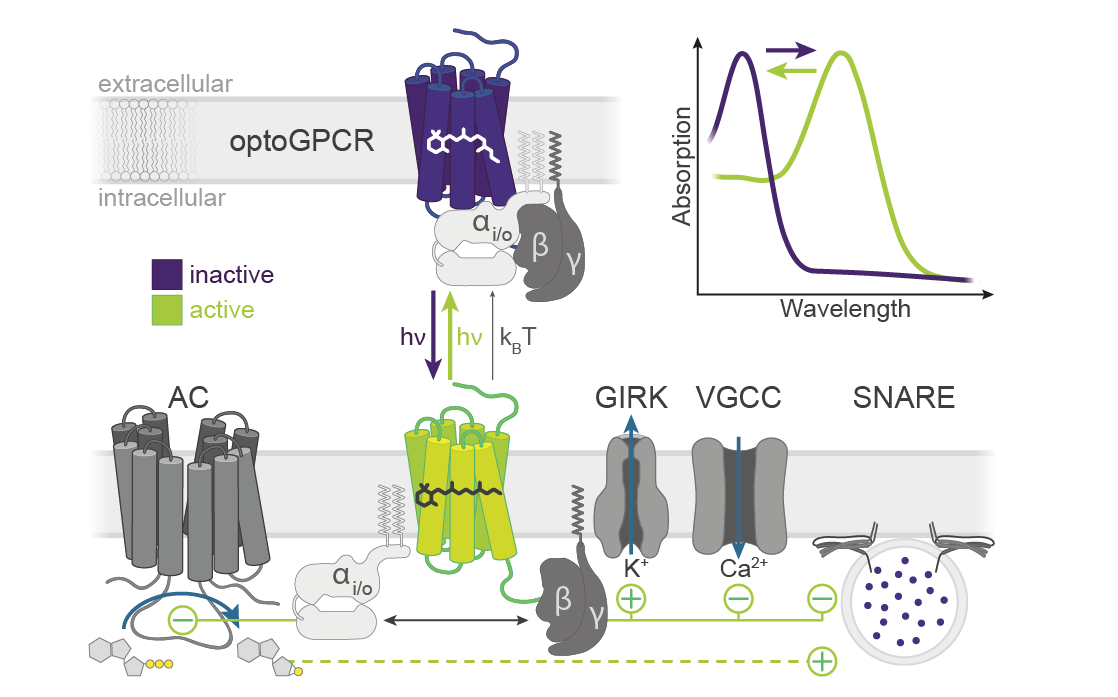
The lab also develops and applies advanced optogenetic technologies for modulating brain functions. Optogenetic technology uses a combination of gene therapy and optical techniques to directly regulate the function of neurons in the living brain. We have developed numerous optogenetic tools for refined control of neural activity, focusing specifically on optogenetic suppression of synaptic transmission, a key technique that allows researchers to ask how the activity in specific brain pathways contributes to behavior.
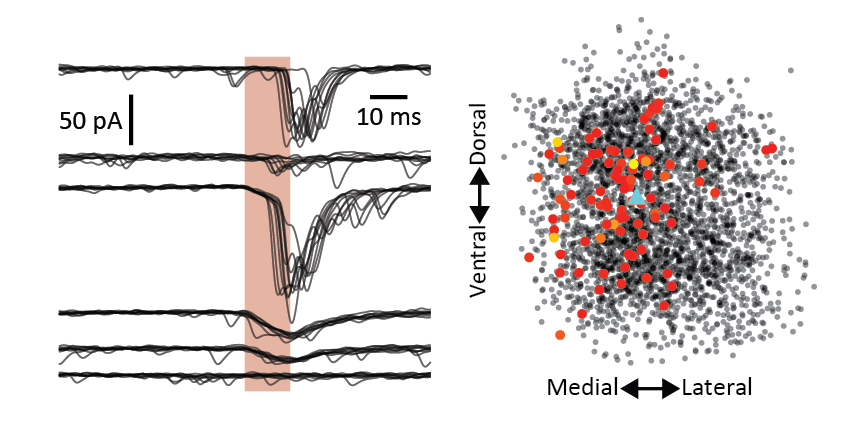
The prefrontal cortex is a brain region that plays important roles in goal-directed behaviors. Problems in prefrontal function are associated with various psychiatric disorders, including major depression, schizophrenia, autism and obsessive-compulsive disorders. Our goal is to understand how this complex circuit operates and to gain a basic understanding of the mechasnisms for its malfunction in disease states. We have developed methods to study the connectivity of prefrontal cortical neurons at single-cell resolution, and are now applying this technique to further understand how this complex circuit is organized, and how its connectivity changes during learning.