Sussman/Silman Group Research Projects
We are currently studying the 3D structure/function of nervous system proteins, such as acetylcholinesterase, cholinesterase-like adhesion molecules, snake toxins, β-glucosidase, β-secretase and paraoxonase. Through our research, we hope to find new leads for treating neurological disorders, including Alzheimer's Disease. We are also studying how proteins adapt to extreme environments, e.g. halotolerant proteins from Dunaliella, and why certain proteins appear to be natively unfolded.In parallel, we have been instrumental in the establishment of the Israel Structural Proteomics Center (ISPC).
Acetylcholinesterase (AChE)
Introduction to AChE
General Overview of AChE by Kurt Giles
How synchrotron radiation can rapidly cause specific damage to a protein
Alzheimer's Drugs
How drugs for the treatment of Alzheimer's disease interact with AChE
Cholinesterase Like Adhesion Molecules (CLAMs)
CLAMs - Neural cell adhesion proteins which share sequence, but not functional similarity, to AChE
Halotolerant Proteins
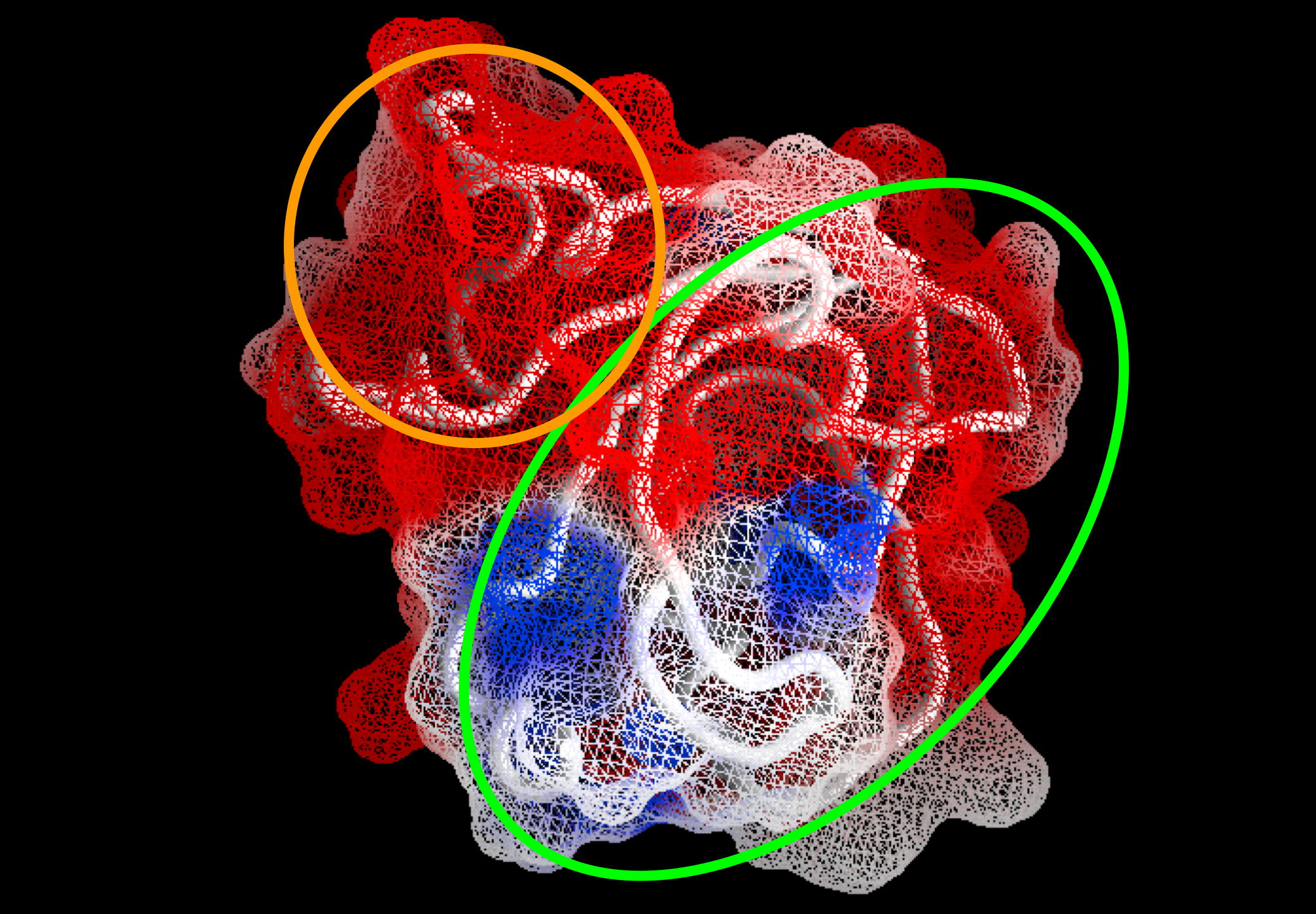
How proteins function in extreme environments - halotolerant proteins
Snake Toxins
Design & Analysis of proteins with new functions based on snake toxin chimeras
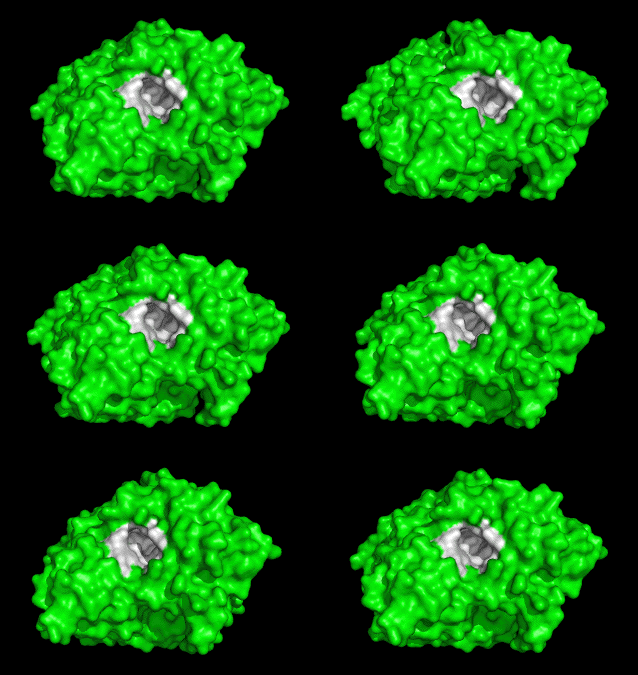
The ACh-binding site in AChE and its relationship to the AChR binding pocket
Structural Proteomics
Structural Proteomics In Europe (SPINE)
The Israel Structural Proteomics Center (ISPC) EU Genomics News (July 2004) - The Weizmann View of Being Part of SPINE
Bioinformatics
FoldIndex©: Natively Unfolded proteins - Will this protein fold? Zeev-Ben-Mordehai, Rydberg, Solomon, Toker, Botti, Auld, Silman & Sussman,
"The intracellular domain of the drosophila cholinesterase-like neural adhesion protein, gliotactin, is natively unfolded" Proteins (2003) 53, 758-767. [Abstract] [PDF]Proteomic Signatures Pe'er, Felder, Man, Silman, Sussman & Beckmann
"Proteomic signatures: amino acid and oligopeptide compositions differentiate between phyla" Proteins (2004) 54, 20-40. [Abstract] [PDF] [Cover] [Supplementary Material]Web Server Calculates Dipole Moments of Proteins
For these studies we employ a variety of methods, including molecular biology, spectroscopy, X-ray crystallography, protein engineering and bioinformatics tools.