Spatially structured bacterial communities
Bacteria, whether in the soil, gut or sea, typically live in complex diverse communities that are continuously exposed to spatiotemporal heterogeneous chemical environments and gradients that they themselves contribute to shape, forming emergent self-organized, spatial patterns. We study the interplay between heterogeneous bacterial community patterns and the spatial gradients in which they live, focusing on two different but interrelated collective phenomena: first, pattern formation and segregation during aerotactic bioconvection in shallow multispecies bacterial suspensions, as shown below:
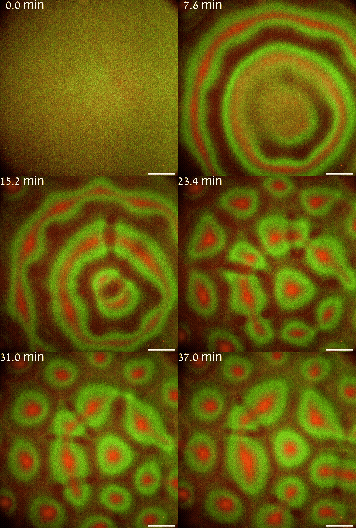
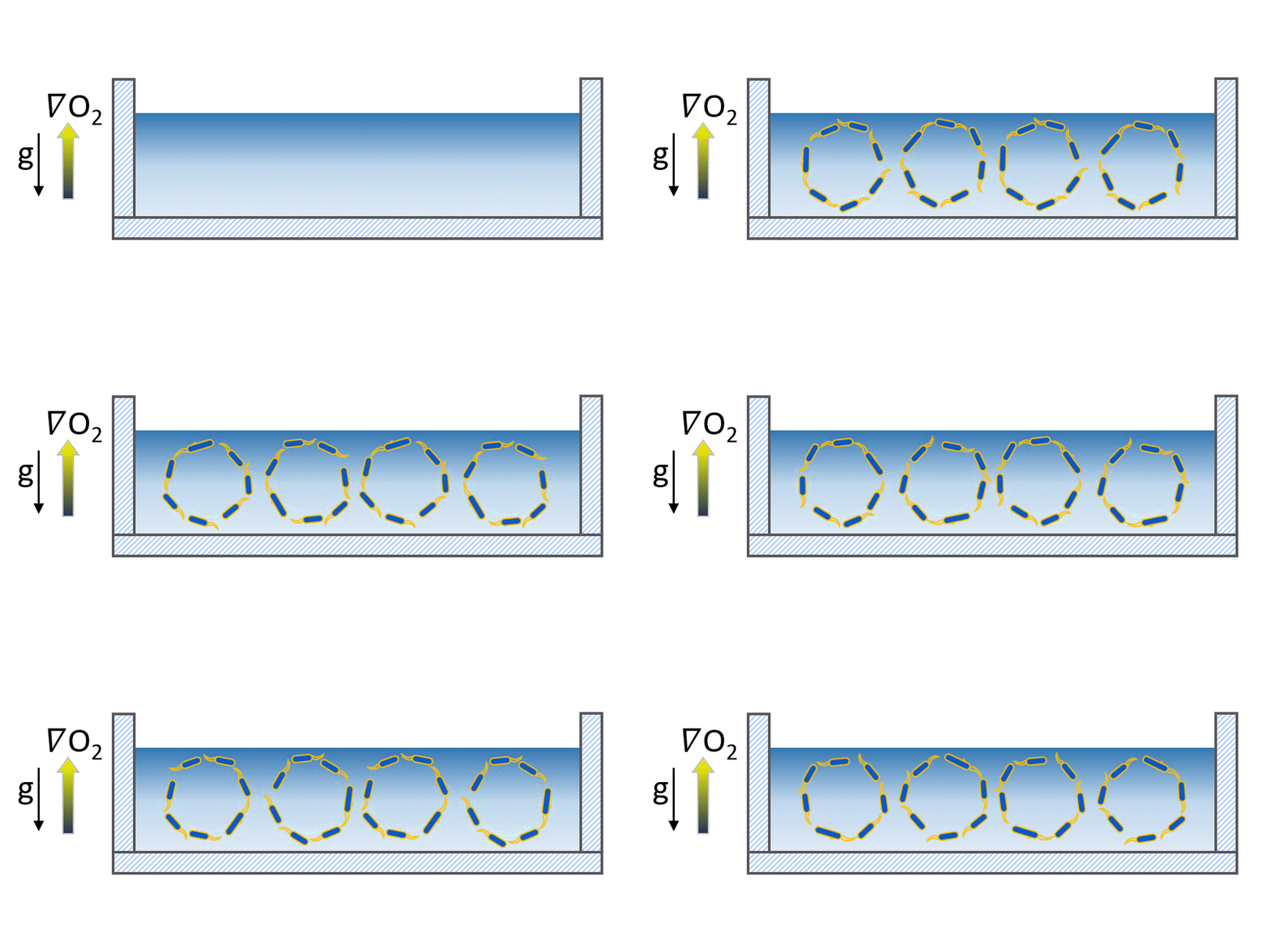
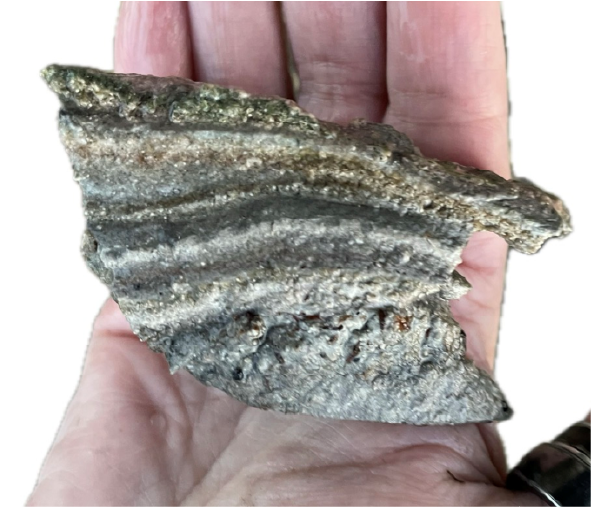
We also study one-dimensional collective self-organization of multispecies away from an interface, as a bottom-up synthetic model of microbial mats.
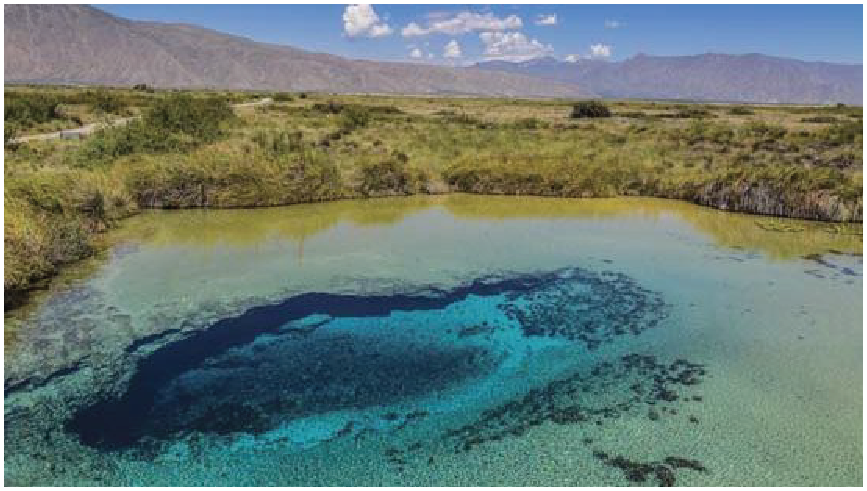
Our experiments are carried out with a library of bacteria of wild type isolates we collected at a unique and protected natural ecosystem that allows to address basic questions on early life on Earth, its evolution and ecology.