Skip to main content Skip to navigation
Open toolbar

Accessibility

Disclaimer
Accessibility arrangements
Weizmann Institute of Science Immunology & Regenerative Biology
Benny Geiger's Lab
Cellular Communication
Menu

Main navigation

  • Home
  • Research
  • Publications
  • Group
  • Gallery
  • Collaborations
  • Contact

Breadcrumb

  1. Home
  2. Gallery

Lab images

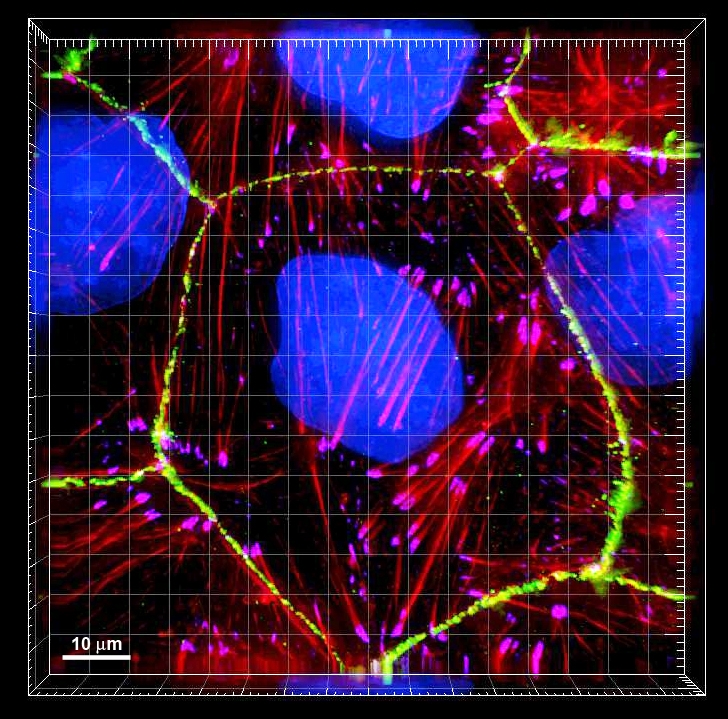
Caco-2 cells labeled for tight junction molecule cingulin (green), actin (red), vinculin (pink) and DNA (blue) (by Alexandra Lichtenstein).
Triple labeled (actin in green, DNA in blue, tubulin in red) ARH-77 myeloma cells (by Ziv Porat and Itamar Yaron).
Thrombin activated platelets (actin in green, vinculin in pink) (by Tova Volberg).
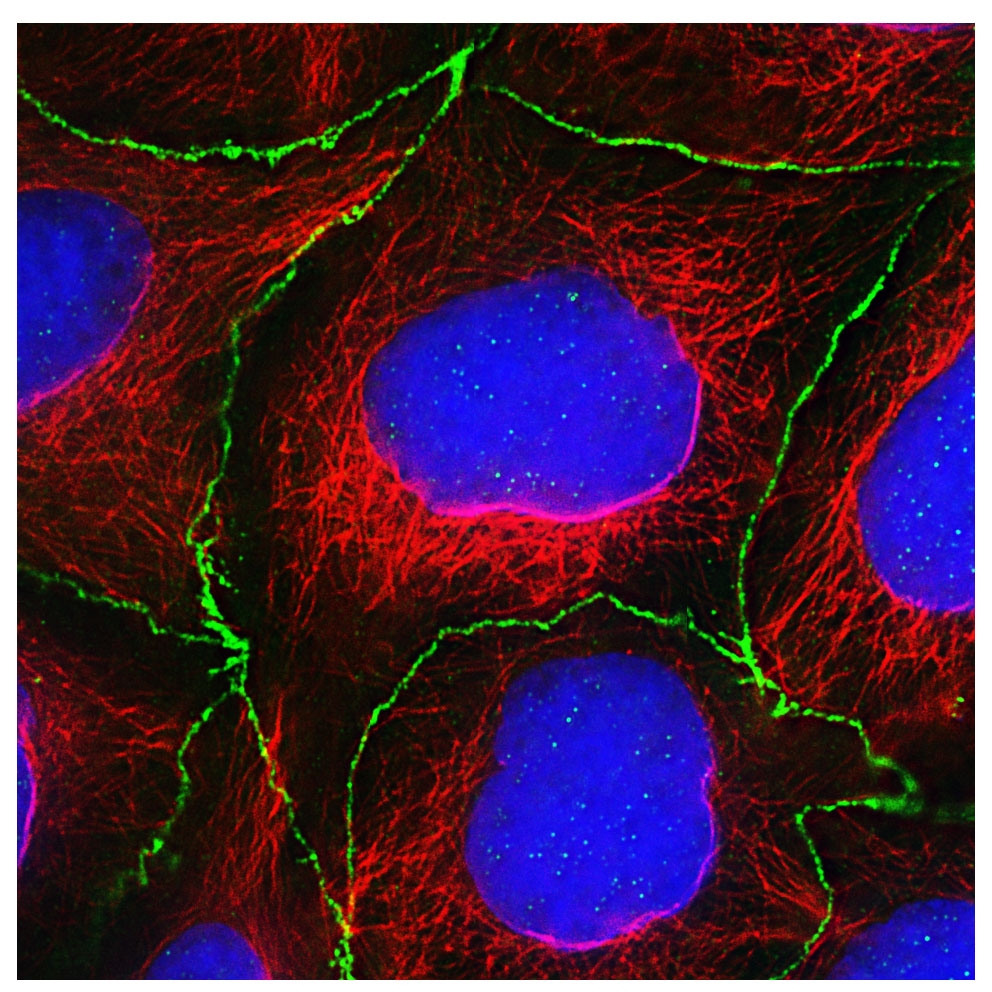
Caco-2 cells labeled for tight junction molecule cingulin (green), tubulin (red) and DNA (blue) (by Alexandra Lichtenstein).
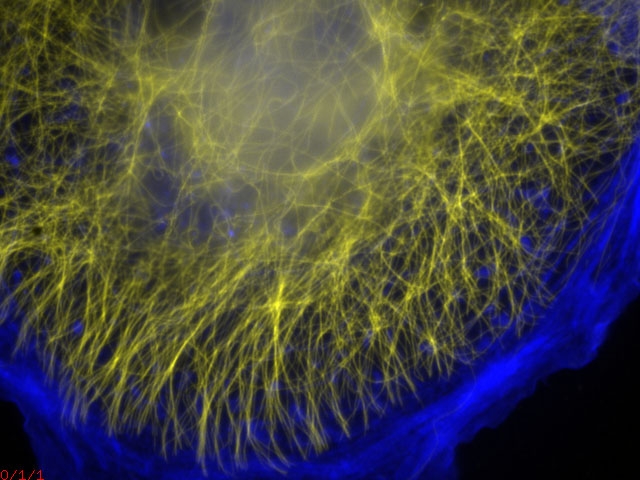
Actin (blue) and tubulin (yellow) staining of endothelial cells (by Tova Volberg).
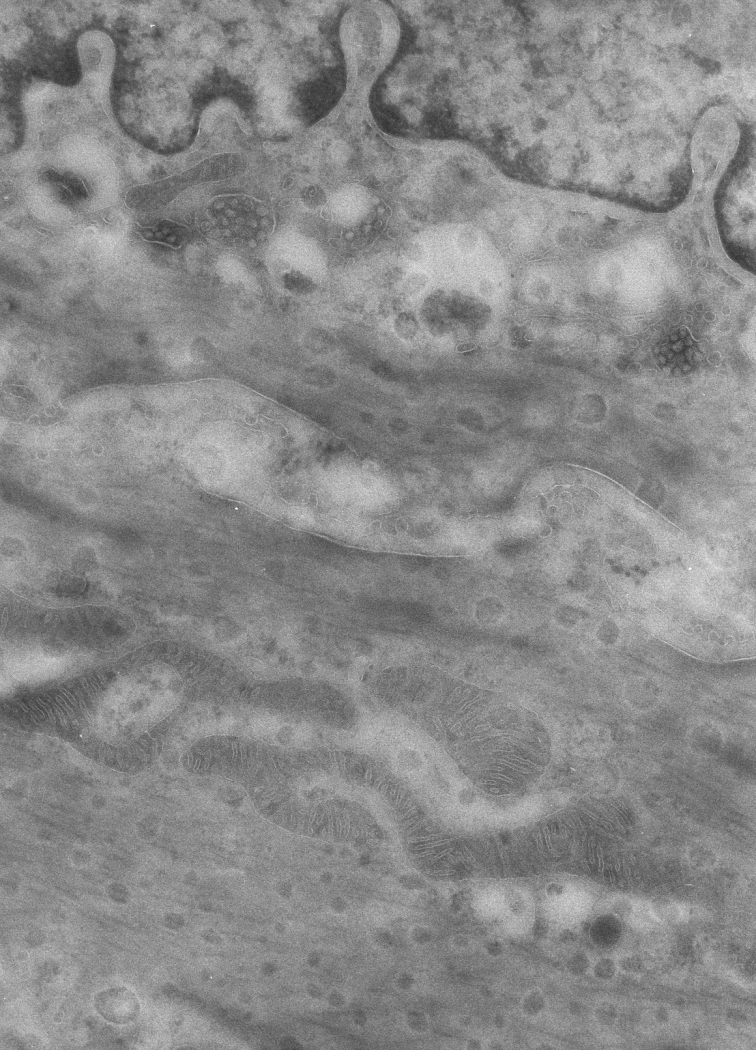
Cryo-electron microscopy of smooth muscle cells showing adhesions to extra cellular matrix (dense bodies within cells), mitochondria and vesicles (by Ilana Sabanay).
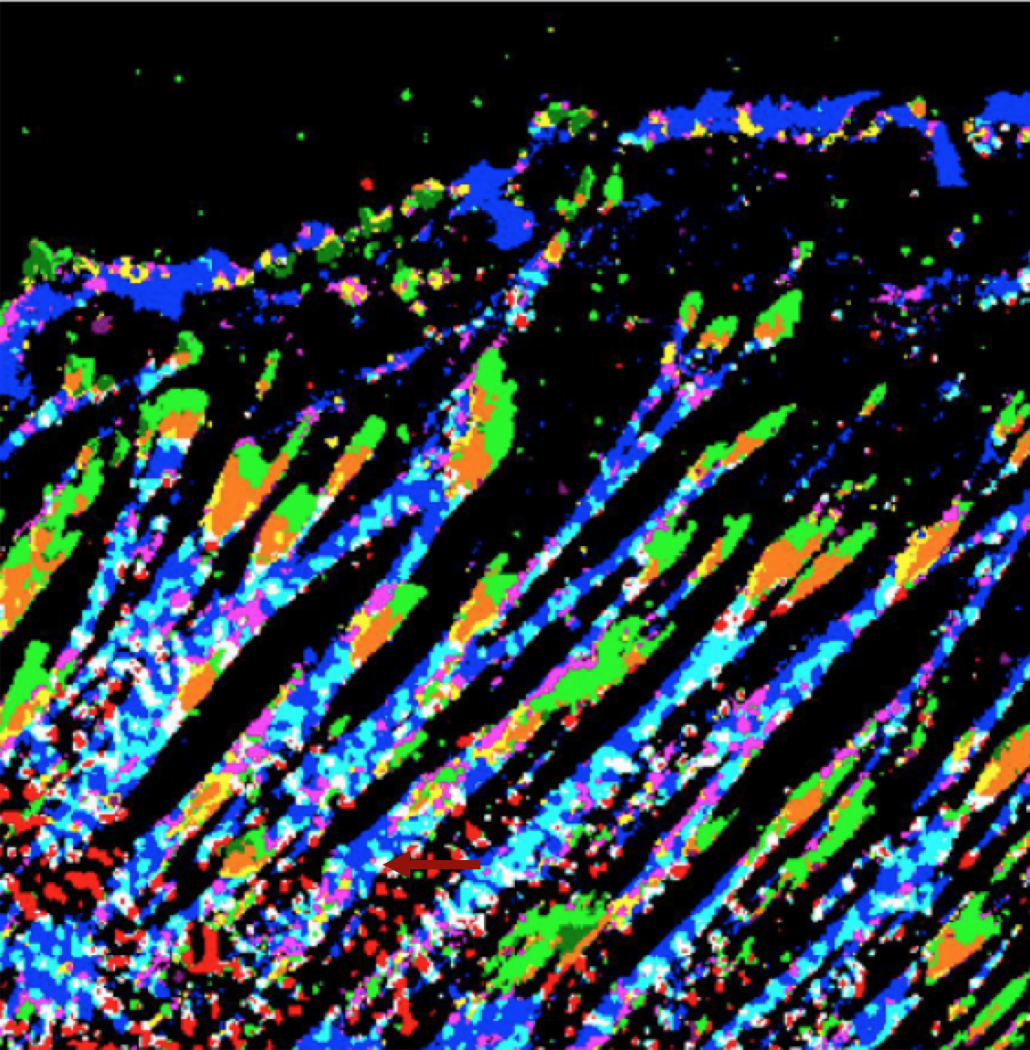
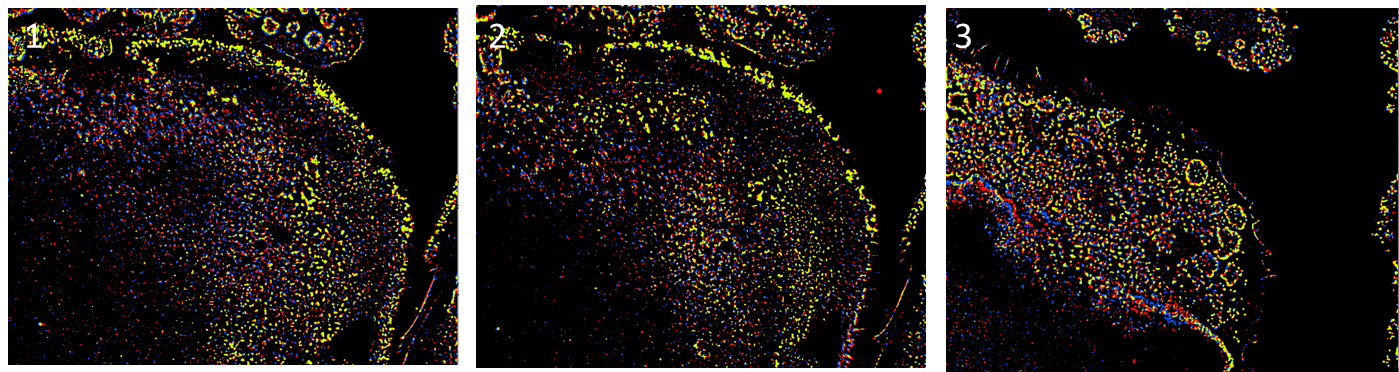
“Molecular composition map” showing enrichment regions of focal adhesions and stress fibers containing different combinations of proteins (by Eli Zamir).
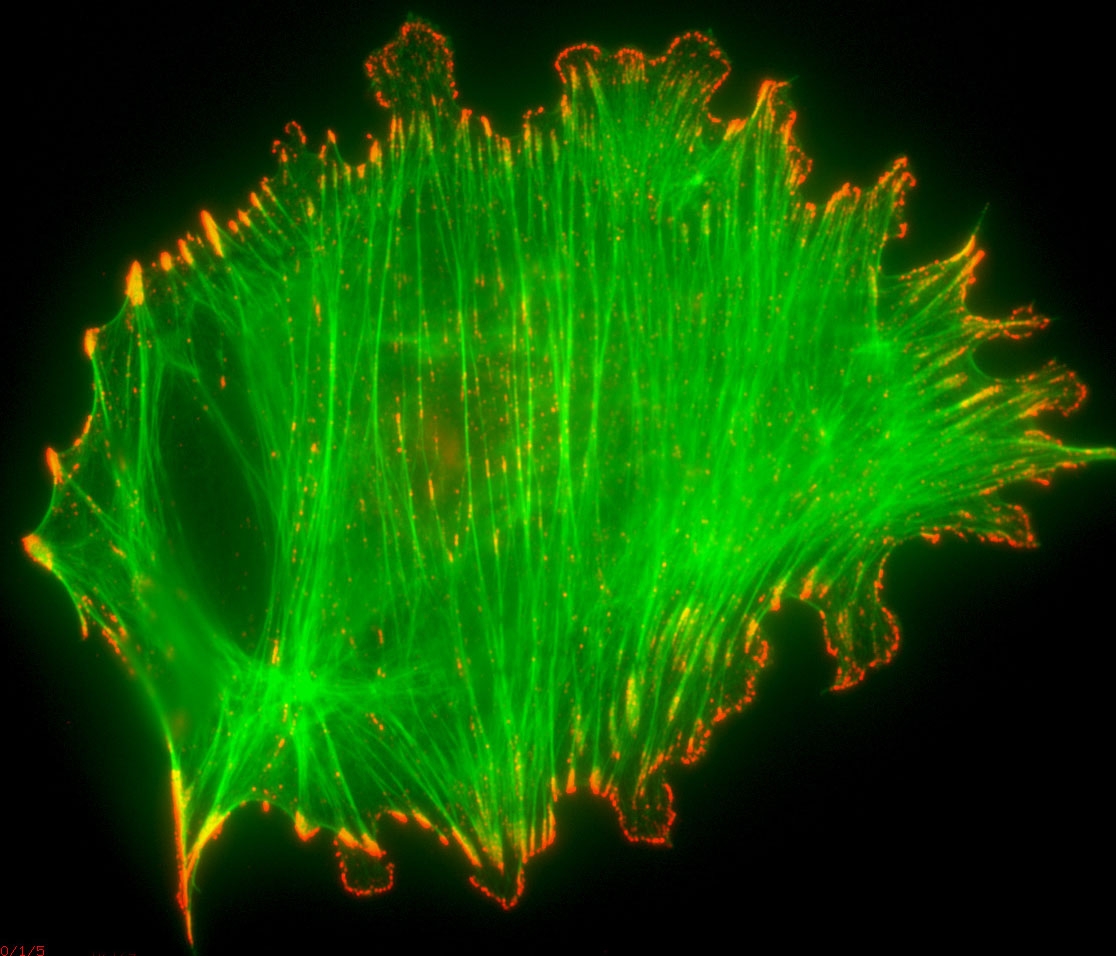
Pig aorta endothelial cells stained for phosphotyrosine (red) and actin (green) (by Ronen Zaidel-Bar).
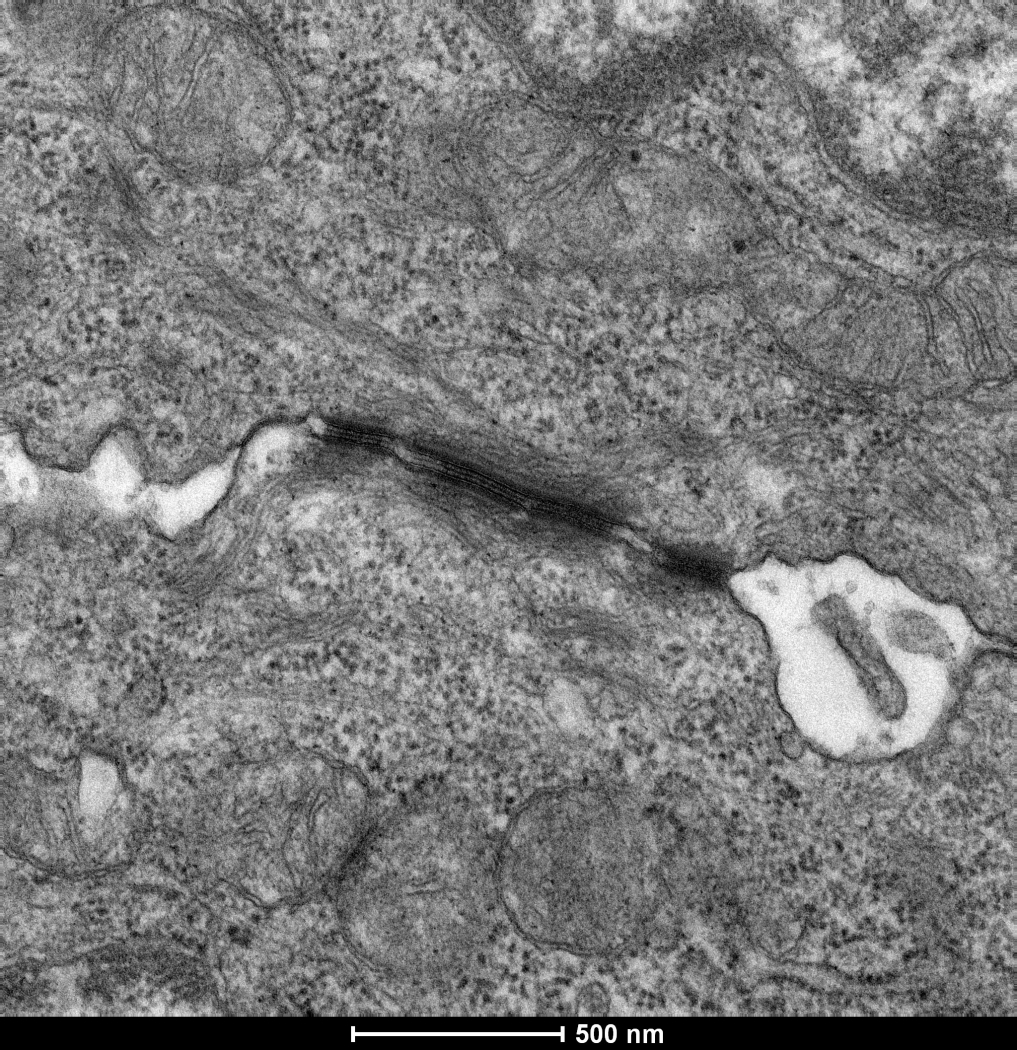
Transmission electron microscopy of desmosomes in mouse tongue epithelium (by Ilana Sabanay).
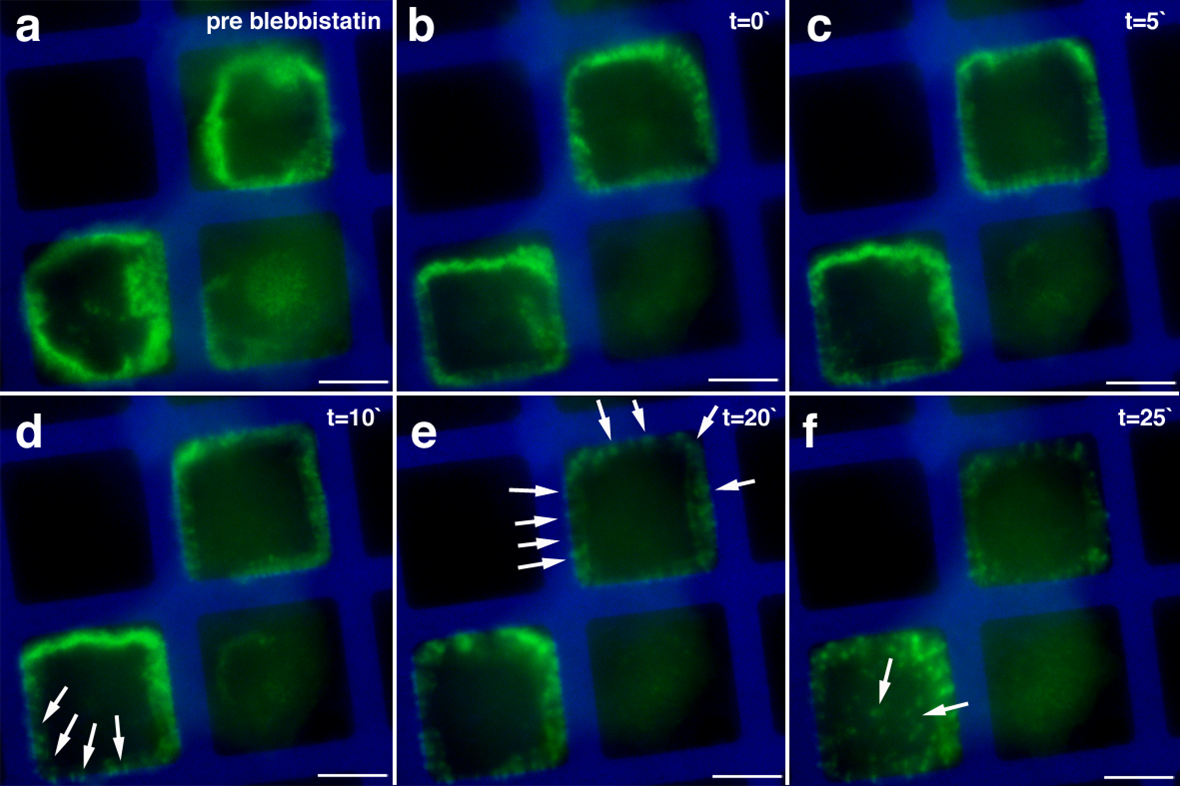
Frames from movie of adhesion ring (green) formation on a patterned surface consisting of adhesive (black) and non-adhesive (blue) regions (by Fabian Anderegg).
GFP-actin expressing osteoclasts showing rearrangement of podosomes into ring-like structures (by Sarit Batsir).
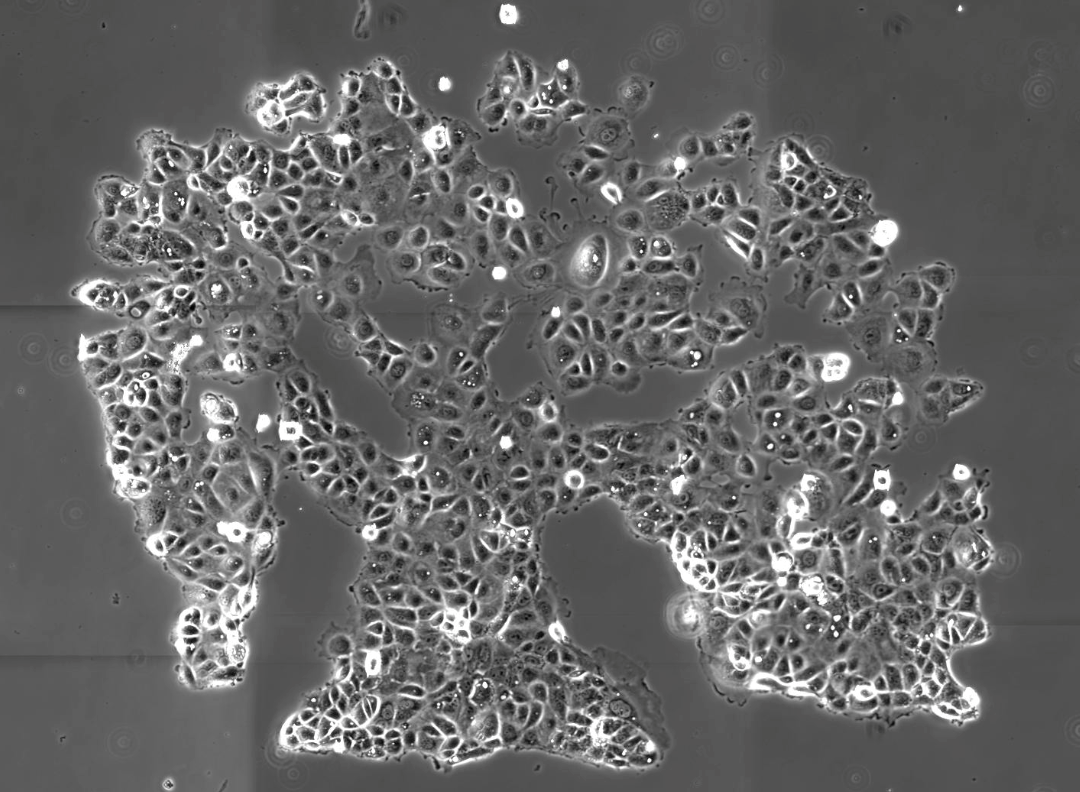
Epithelial cells growing on a patterned adhesive surface with the shape of the Weizmann Institute tree (by Claudio Rolli).
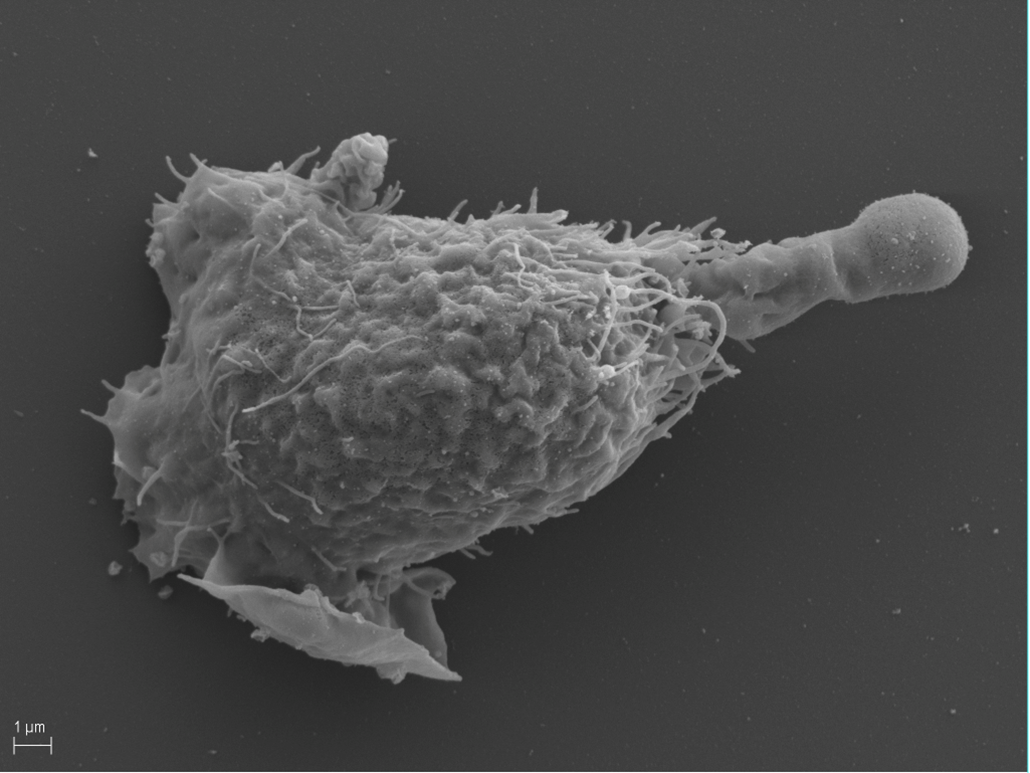
Scanning electron microscopy of a myeloma cancer cell responding to shear flow (by Ziv Porat and Itamar Yaron).
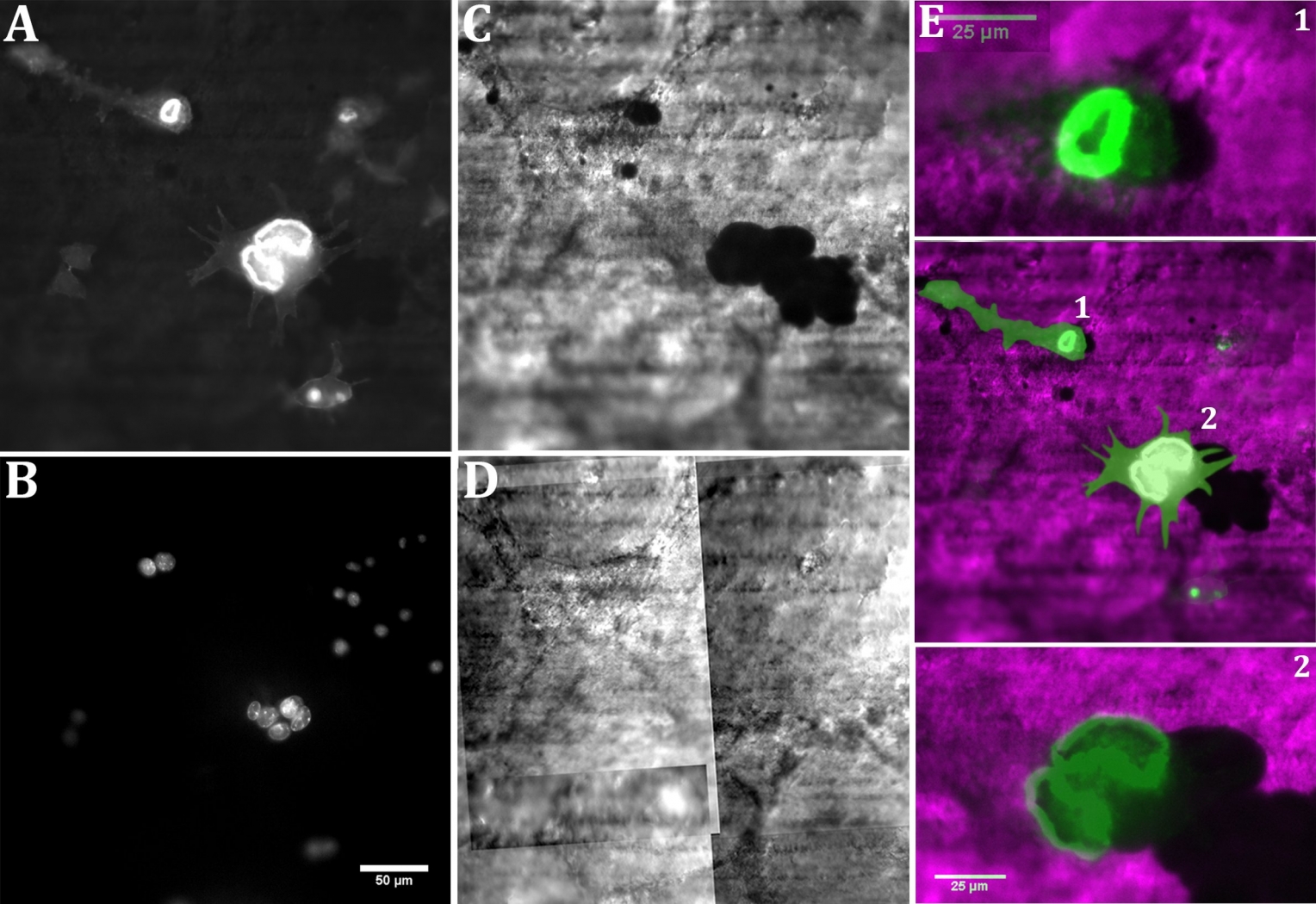
Osteoclast resorption of bone: A.	Fluorescence image of osteoclasts, stained for actin, with their developed SZs  B.	Dapi staining, showing the cell nuclei C.	The resorbed bone surface D.	The bone surface prior to osteoclast resorption E.	Overlay of the cells on top of the resorption pits created.  The SZ adapt to resorption pit geometry, while the cell adapts its shape to the bone surface
Weizmann Institute of Science Immunology & Regenerative Biology
Benny Geiger's Lab
Cellular Communication