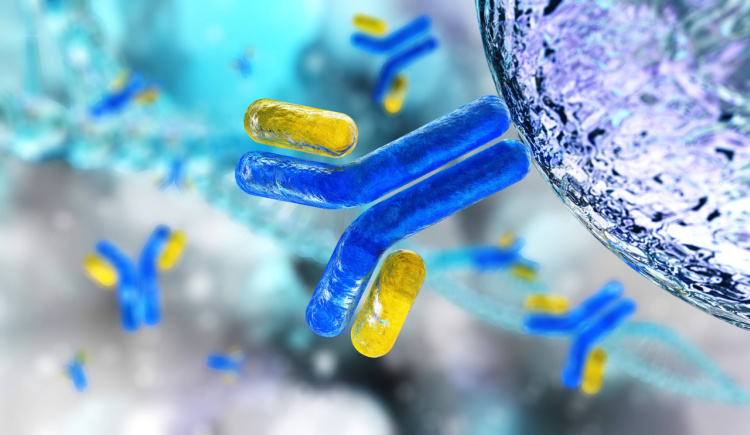
Our research group delves into the fundamental molecular and cellular processes underlying the development of protective antibodies and the establishment of enduring immunity. Employing a combination of mouse models and human-derived tissues, along with advanced imaging techniques and next-generation genomics, we unveil the regulatory mechanisms governing antibody-mediated immunity in the context of vaccination, pathogen invasion, and cancer.
Liu J., Stoler-Barak L. & Shulman Z.
(2026)
Journal of Experimental Medicine.
223,
4,
e20251901.
Antibody-mediated immune responses in mucosal tissues are critical for defending against pathogens while maintaining homeostasis with commensals. Nasal vaccination aims to induce local protection in the upper airway mucosa. Although B cell-driven immunity is well characterized in gut-associated lymphoid tissues such as Peyer's patches and mesenteric LNs, much less is known about analogous processes in the upper airways. Here, we show that B cell receptor (BCR) affinity and CCR6 regulate germinal center (GC) seeding and class-switch recombination (CSR) to IgA in nasal-associated lymphoid tissue (NALT) following nasal vaccination. B cells bearing low-affinity BCRs failed to upregulate CCR6 and did not support T follicular helper cell differentiation or seed GCs in the NALT. CCR6-deficient B cells were unable to migrate to the NALT subepithelial dome or undergo IgA CSR and seed GC effectively in response to nasal vaccination or commensal bacteria signals. Thus, effective targeting of B cell clones to induce CCR6 expression is essential for nasal vaccine design.
Rudnitsky A., Oh H., Margolin M., Dassa B., Shteinberg I., Stoler-Barak L., Shulman Z. & Kedmi R.
(2025)
Nature.
644,
8075,
p. 231-240
To absorb nutrients and support commensal microorganisms, the host induces tolerogenic immune responses through peripheral regulatory T (pTreg) cells1,2. Previous studies identified conventional type 1 dendritic cells (cDC1s) as initiators of dietary pTreg cells3. However, here we report that food-specific pTreg cells are induced exclusively by the recently identified RORγt antigen-presenting cells4, 5, 6, 78 and not by conventional dendritic cells. Instead, our data suggest that pTreg cellcDC1 interactions during homeostasis limit the expansion of food-specific CD8αβ T cells. This regulation is disrupted by infection or food poisoning, enabling dietary CD8αβ T cells to expand and acquire effector functions in response to mimicked food antigens. Unlike in typical infections, after the pathogen is cleared, dietary CD8αβ T cells do not expand in response to their corresponding dietary antigens. Thus, we propose that, in response to dietary antigens, tolerance is mediated by a circuit of dedicated antigen-presenting cells and T cells. When the host is challenged by infection, this circuit permits the transient expansion of protective effector responses without compromising the overall strategy of tolerance that ensures safe food consumption.
Stoler-Barak L., Sarusi-Portuguez A. & Shulman Z.
(2025)
Methods in molecular biology (Clifton, N.J.).
2864,
p. 263-279
Tumor-infiltrating B cells have emerged in recent years as key markers of patient prognosis and responsiveness to immunotherapy. Recent technical advances, such as single-cell RNA sequencing and B cell receptor immune profiling, revealed diverse subsets and the immunoglobulin landscape of B cells located within human tumors. Secreted antibodies in solid tumors exhibit multiple effector functions, with the potential to significantly impact distinct immune responses, clinical outcomes, and patient survival. Nonetheless, a few studies examine the tumor reactivity and specificity of these immunoglobulins. Here we describe our current methodology for retrieving single B cells from human primary solid tumors for single-cell RNA sequencing followed by computational analysis to identify B cell subpopulations and immunoglobulin receptor repertoires. Furthermore, we provide a technique for evaluating and quantifying the tumor-binding capabilities of expressed antibodies. This approach holds promise for future immunotherapies and enhances our understanding of their potential clinical applications.