The Levkowitz Lab

Research
Development and function of the hypothalamus: Implications for neuro-developmental disorders
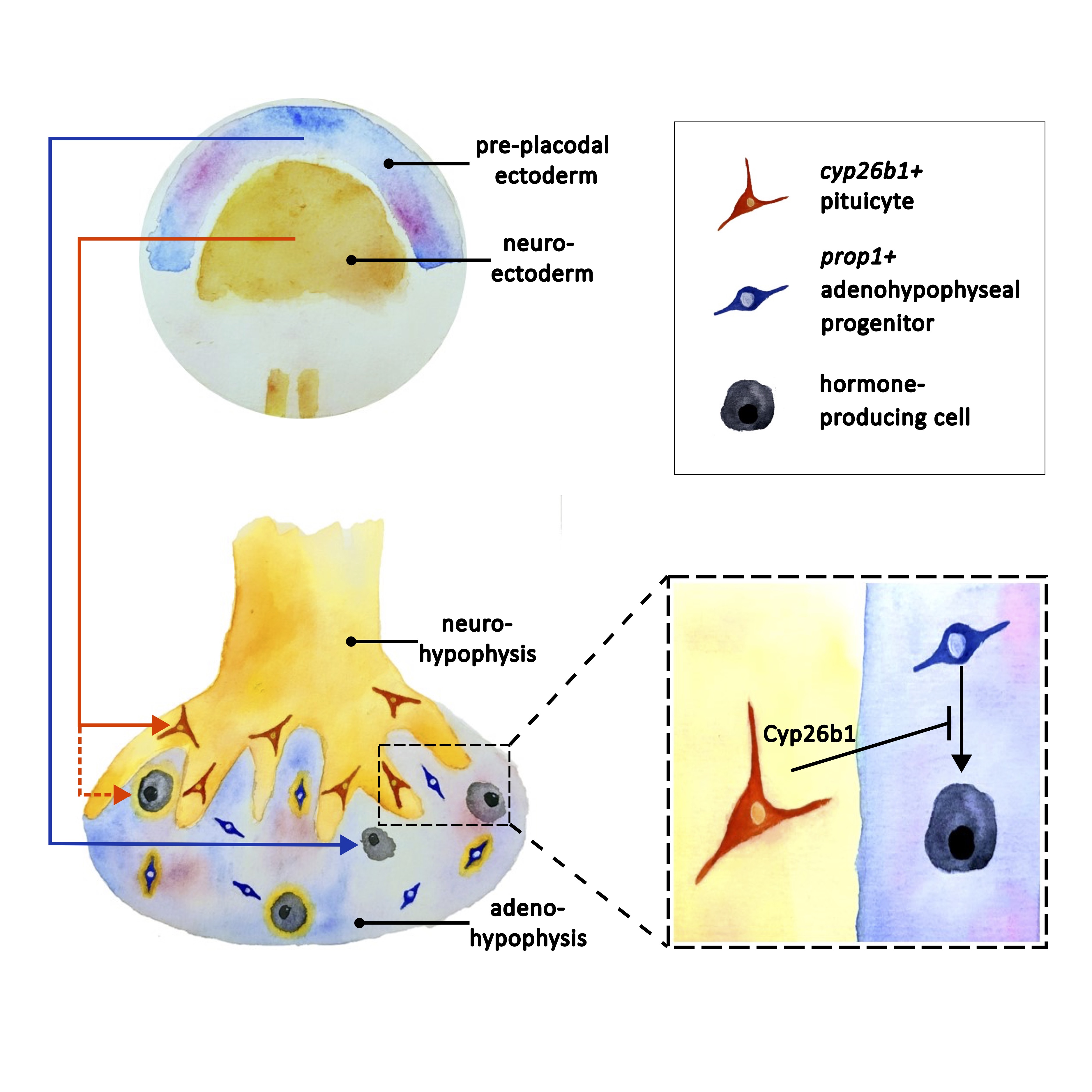
Our lab utilizes zebrafish as a vertebrate model organism to tackle basic questions concerning the development and function of the hypothalamus. The hypothalamus is an evolutionarily ancient and conserved brain region that allows all vertebrates to adapt to emotional and physiological challenges. Hypothalamic neurons regulate fundamental body functions including sleep, blood pressure, body temperature, hunger and thirst, stress and social behavior.
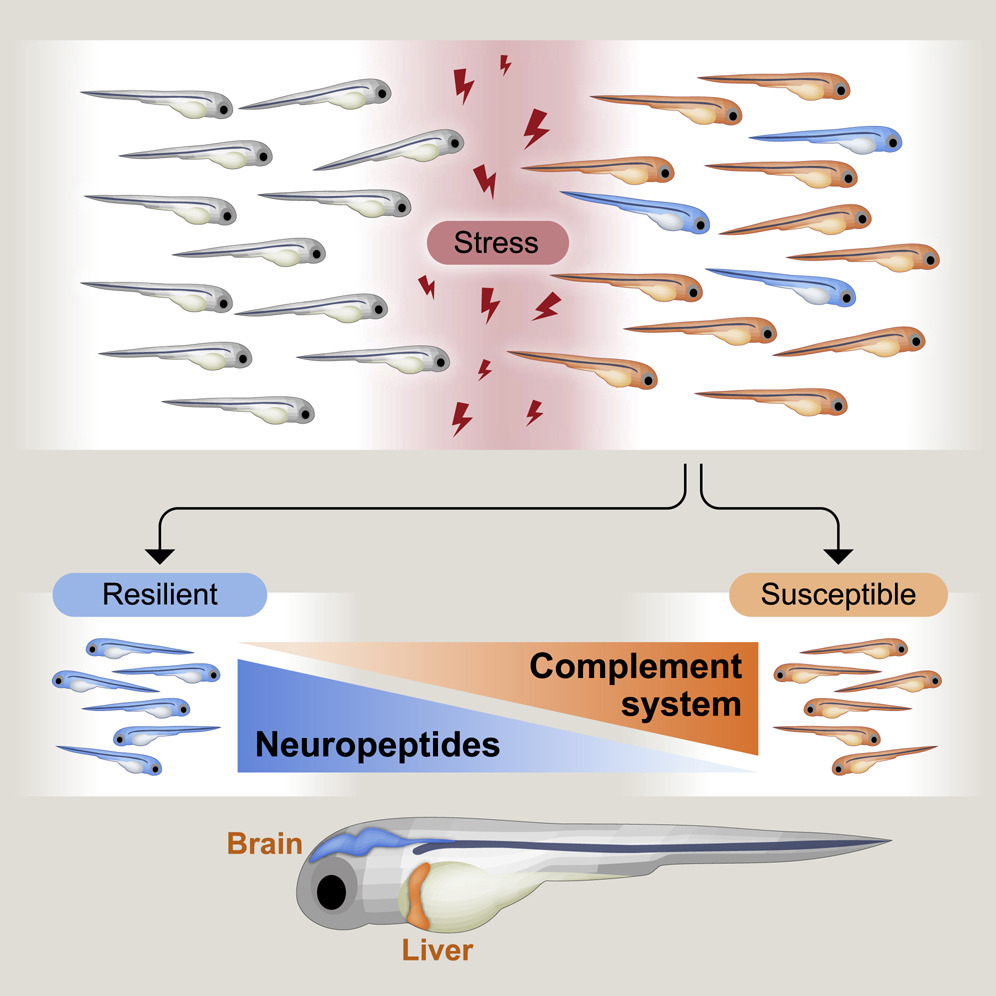
Abnormalities in hypothalamic development are associated with neurological conditions such as depression, chronic stress, autism and obesity. To understand the origins of such neuro-developmental disorders, we must 1) gain a better understanding of hypothalamic development and 2) decipher how early life experience and development affects life-long hypothalamic functions.