Research

Strategy choice: Individual difference and temporal dynamics

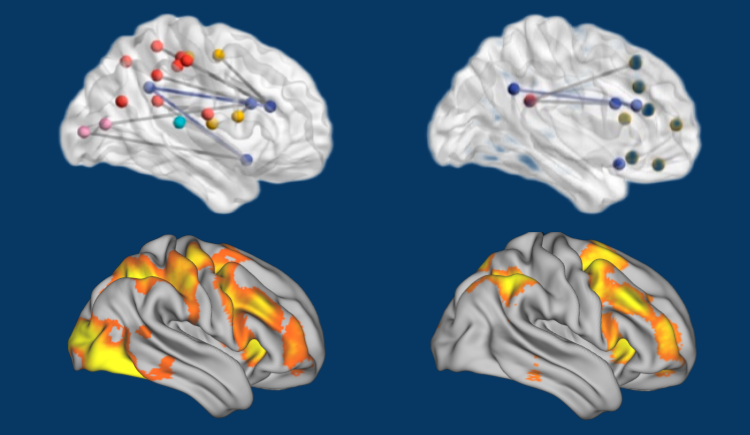
In computational cognitive neuroscience, the standard approach to individual differences is to fit every participant to the same model - a single "algorithm" - and compare parameters across participants. We might ask if one person has a faster learning rate or a higher risk attitude than another. While using the same model across individuals puts everyone on the same scale, we might completely miss a more fundamental difference - in the cognitive strategy itself.

Read more

The neural basis of strategy choice

Evidence across cognitive domains suggests individual differences in strategy. For example, in a memory retrieval task, some individuals will encode the word “horse” by constructing a sentence while others will mentally visualize a horse. Such variability holds within subjects too: individuals adapt their cognitive strategies both in the short-term, such as adjusting effort during a task, and over longer timescales, by adopting new strategies.


Read more

The functional roles of white matter tracts

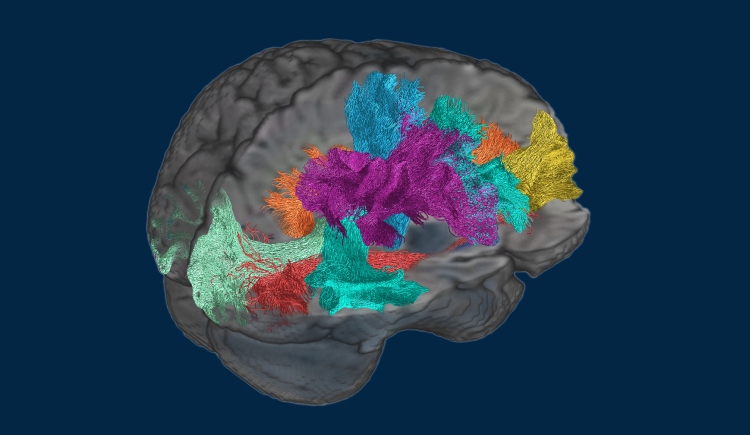
The brain’s white matter constitutes all the long-range axonal connections that link distant cortical and subcortical regions. As such, the network properties of the human brain are highly influenced by the physical characteristics of these tracts, which dictate the speed, timing, and bandwidth of long-range neural communication.

Read more