Research

Decoding communication between cutaneous nociceptors and skin-resident cells

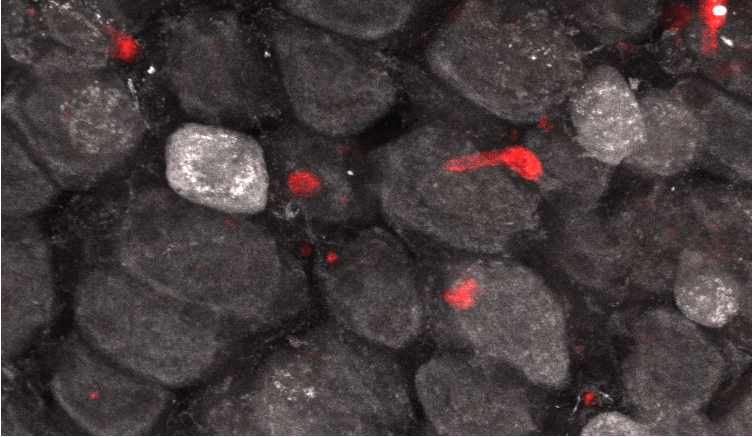
The skin, our largest sensory organ, serves as a vital protective barrier that is susceptible to injury and has remarkable regenerative abilities. Studies indicate that cutaneous nociceptors influence protective immunity. Yet, the full impact of nociceptor or sensory neuron activity on other skin-resident cells in both healthy and injured skin is not well understood. To tackle this, we apply an integrative approach combining neuronal manipulation techniques, single-cell transcriptomics, and detailed analysis of skin resident cells, aiming to reveal specific nociceptor-mediated cellular interactions that shape skin physiology.

Characterizing the molecular response of sensory neurons to tissue damage

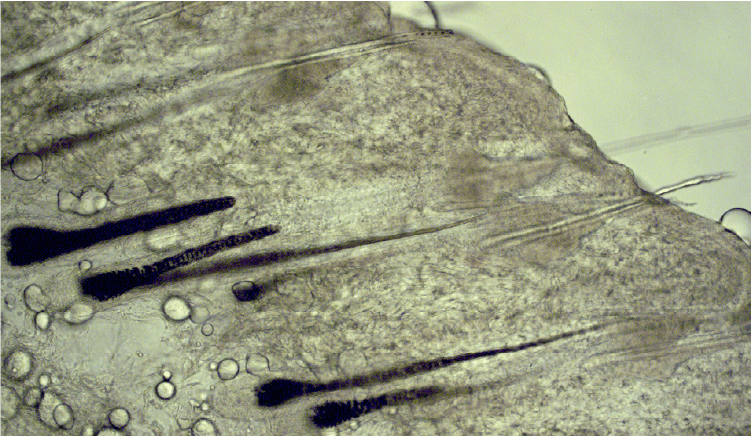
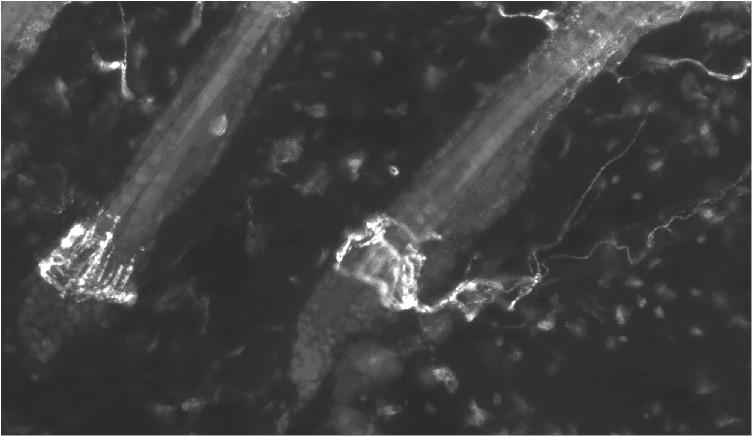
Skin regeneration is an intricate process orchestrated by diverse cell types and molecular signals. As a highly innervated tissue, skin is densely populated with sensory and nociceptive nerve endings exhibiting varied morphologies. When skin is damaged, the activation of sensory neurons and nociceptors generates a sensory response, typically perceived as pain. Our research seeks to molecularly characterize the response of sensory neurons and nociceptors to skin injury and investigate their role in coordinating local regenerative processes.

Exploreing connections between ascending sensory pathways and tissue regeneration

Activated sensory and nociceptive neurons transmit signals through ascending neural pathways, delivering sensory information to various regions of the central nervous system (CNS). These pathways facilitate pain perception and drive behavioral and emotional responses to sensory stimuli. In turn, specific CNS regions influence peripheral tissues via descending autonomic innervation, regulating physiological processes. Notably, painful dermal stimuli trigger elevated corticosterone and noradrenaline levels, reflecting activation of the endocrine and autonomic-sympathetic nervous systems. This highlights a link between pain and descending endocrine-autonomic pathways. To investigate the mechanistic role of sensory-autonomic neuronal connections, we integrate manipulation of relevant CNS regions with high-resolution flow cytometry and imaging analysis of healthy and injured skin, aiming to uncover CNS-regulated pathways that shape dermal cell responses.