Scherz-Shouval Lab

Functional Reprogramming
In The Tumor Microenvironment

Research

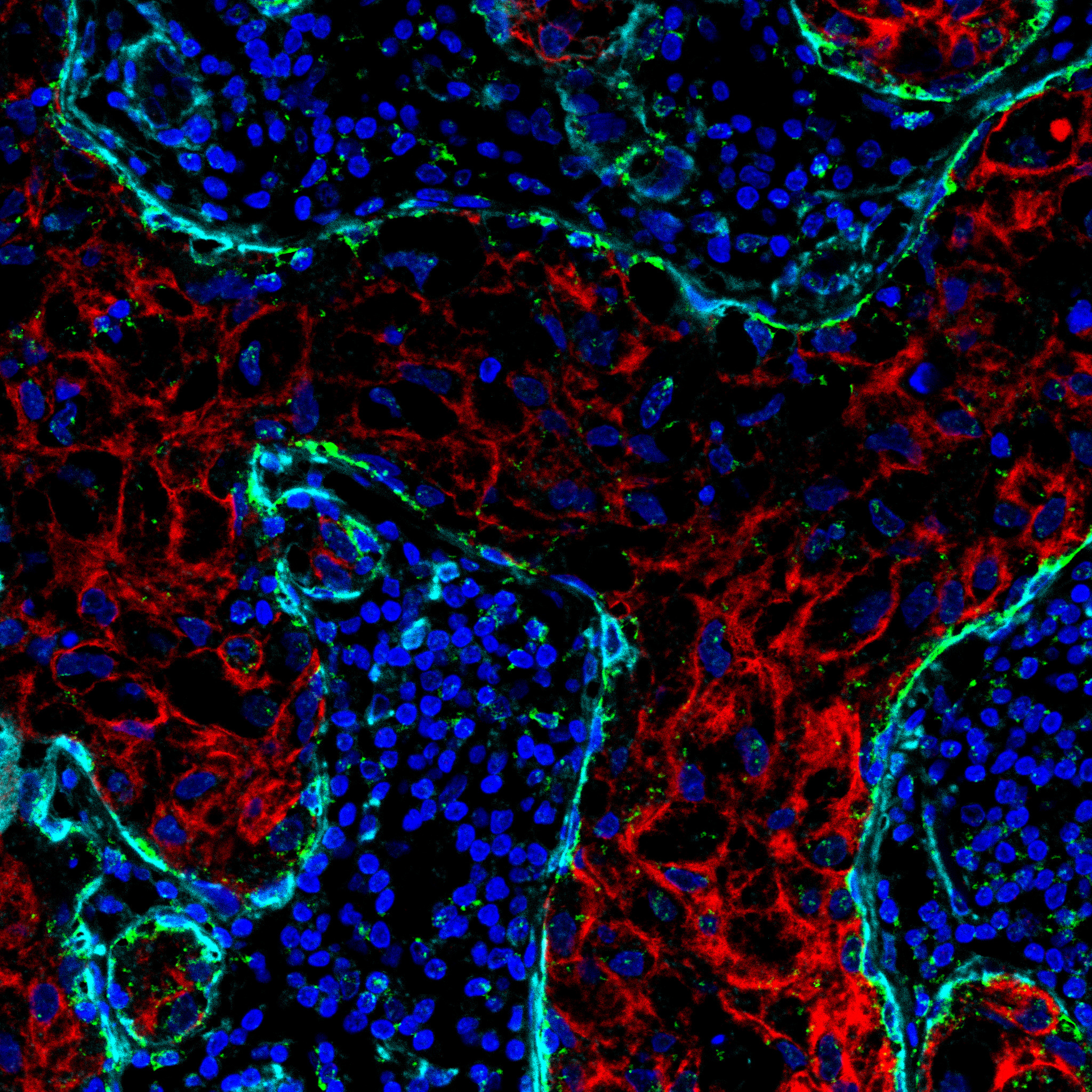
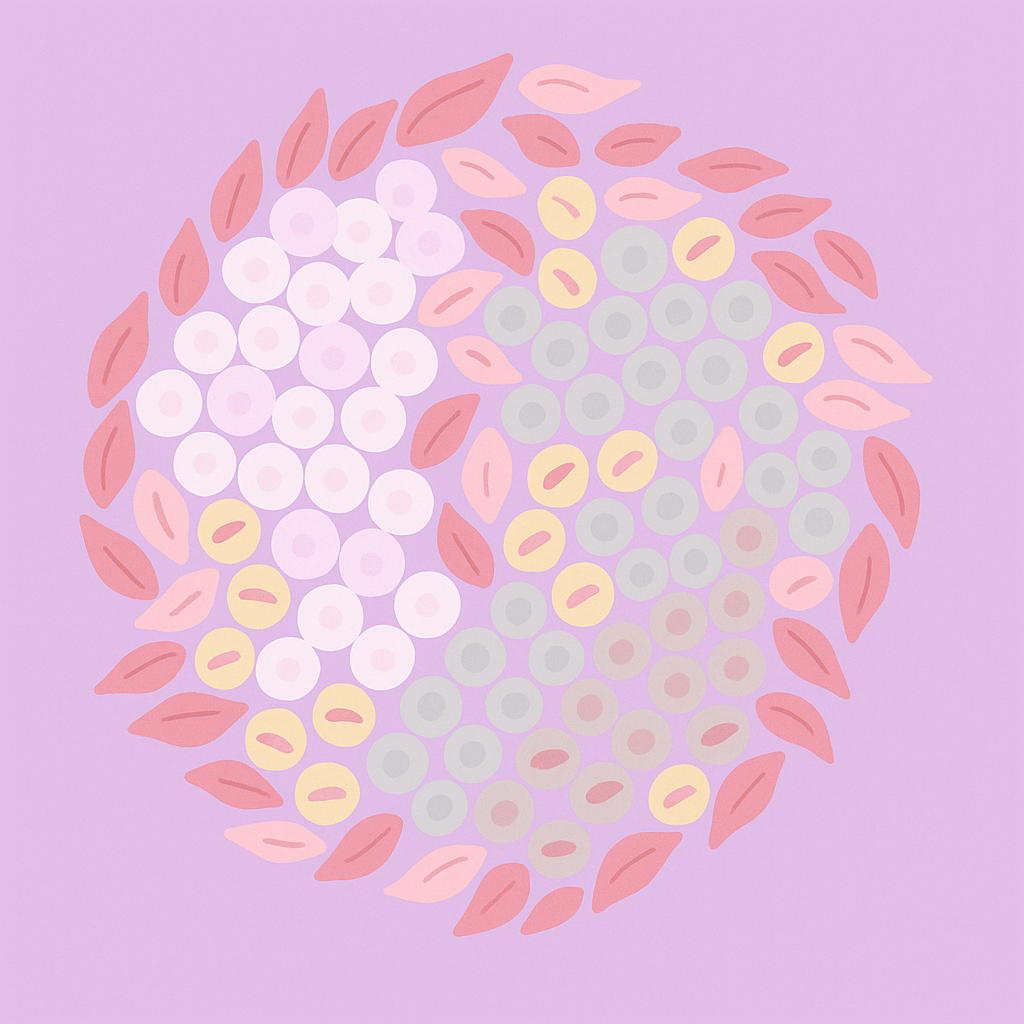
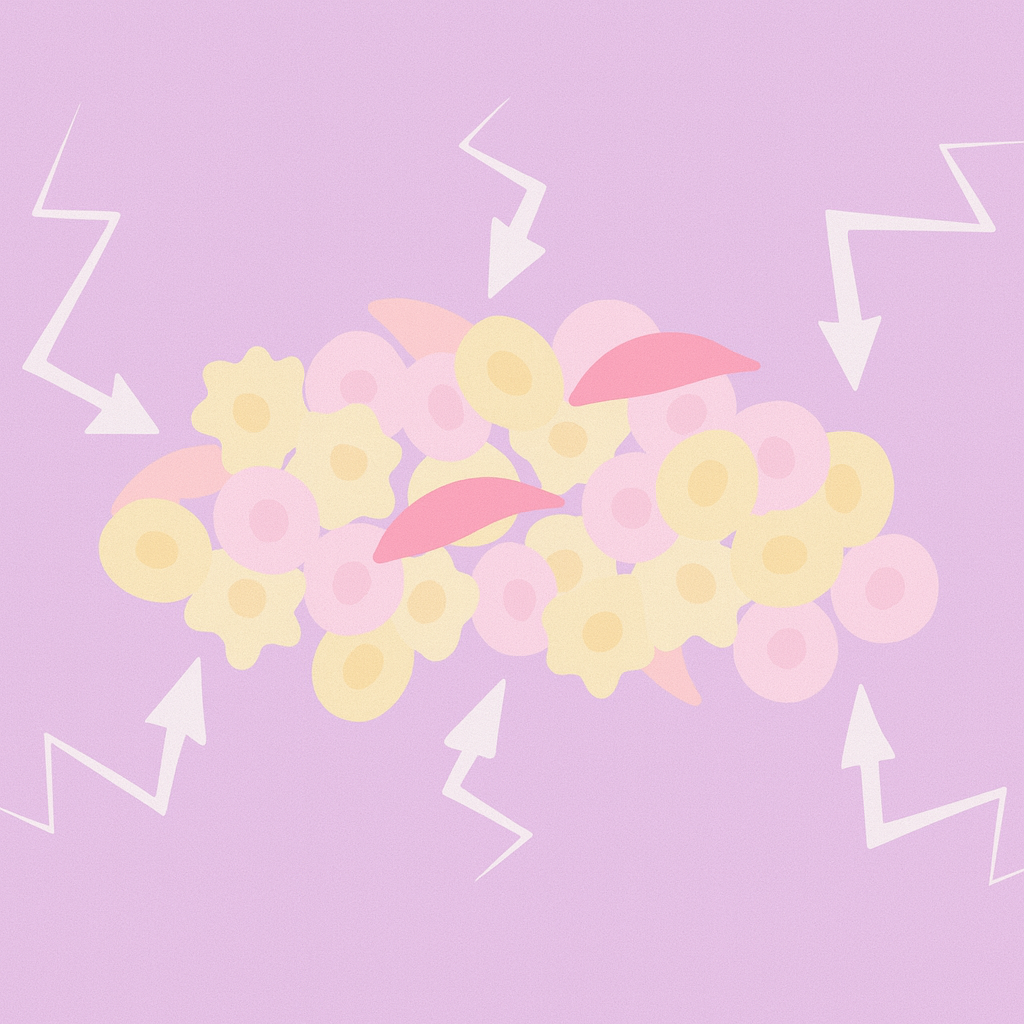
For tumors to expand, metastasize, and evade immune surveillance, genetically transformed cancer cells must recruit non-malignant cells, including macrophages, fibroblasts and endothelial cells. These cells, collectively termed the tumor microenvironment, are reprogrammed to support the tumor at the expense of its host. Our group aims to elucidate the mechanisms by which tumors reprogram their local environments. Our goal is to provide a deeper understanding of how tumors develop into systemic malignancies, predict which tumors are more likely to do so, and design therapeutic strategies to overcome these malignancies by targeting genetically stable elements in the tumor microenvironment.

Research page
Selected Publications

Cancer-Associated Fibroblasts Serve as Decoys to Suppress NK Cell Anticancer Cytotoxicity in Breast Cancer

Ben-Shmuel A., Gruper Y., Halperin C., Levi-Galibov O., Rosenberg-Fogler H., Barki D., Carradori G., Stein Y., Yagel G., Naumova M., Mayer S., Dadiani M., Morzaev-Sulzbach D., Golani O., Nevo R., Porat Z., Nili Gal-Yam E. & Scherz-Shouval R. (2025) Cancer Discovery. 15, 6, p. 1247-1269

Cancer-associated fibroblast compositions change with breast cancer progression linking the ratio of S100A4+ and PDPN+ CAFs to clinical outcome

Friedman G., Levi-Galibov O., David E., Bornstein C., Giladi A., Dadiani M., Mayo A., Halperin C., Pevsner-Fischer M., Lavon H., Mayer S., Nevo R., Stein Y., Balint-Lahat N., Barshack I., Ali H. R., Caldas C., Nili-Gal-Yam E., Alon U., Amit I. & Scherz-Shouval R. (2020) Nature Cancer. 1, 7, p. 692-708
All Publications