Research

Mutation and organ dependencies in cancer

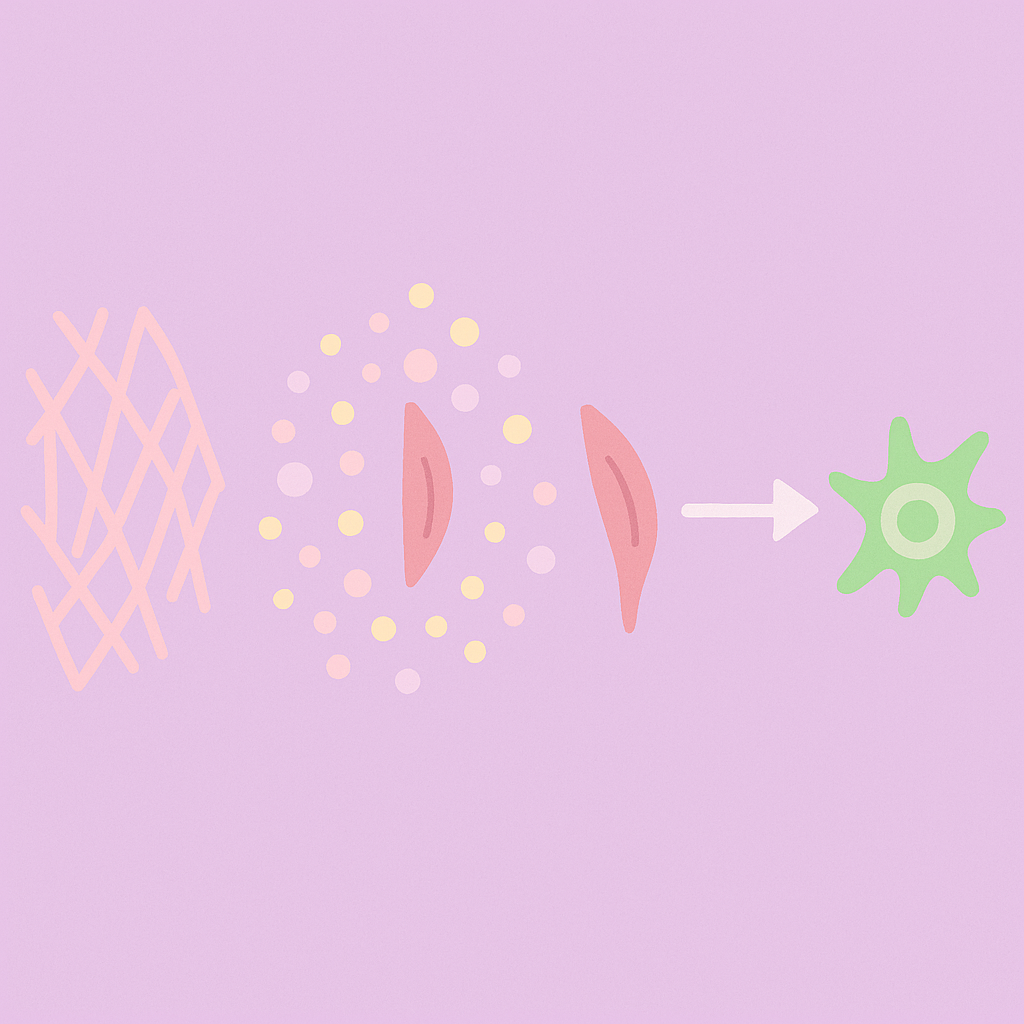
Tumor microenvironments are shaped by cancer mutations and organ dependencies. Organ identity defines the fundamental structure and composition of the microenvironment, and is a crucial determinant of susceptibility and plasticity. Cancer mutations introduce new stresses, paracrine signals, and unexpected challenges that massively reshape these microenvironments. The overwhelming effect of certain cancer mutations may be such that different organs exposed to similar cancer mutations will assume similar microenvironmental compositions. Our goal is to define the factors that reshape normal tissues and organs into protumorigenic microenvironments. We identify cancer mutations and organ identity as the main factors in this process and ask whether specific cancer-derived signals reshape different organs in similar manners.

Read more

Co-evolution of fibroblasts and immune cells in inflammation and cancer

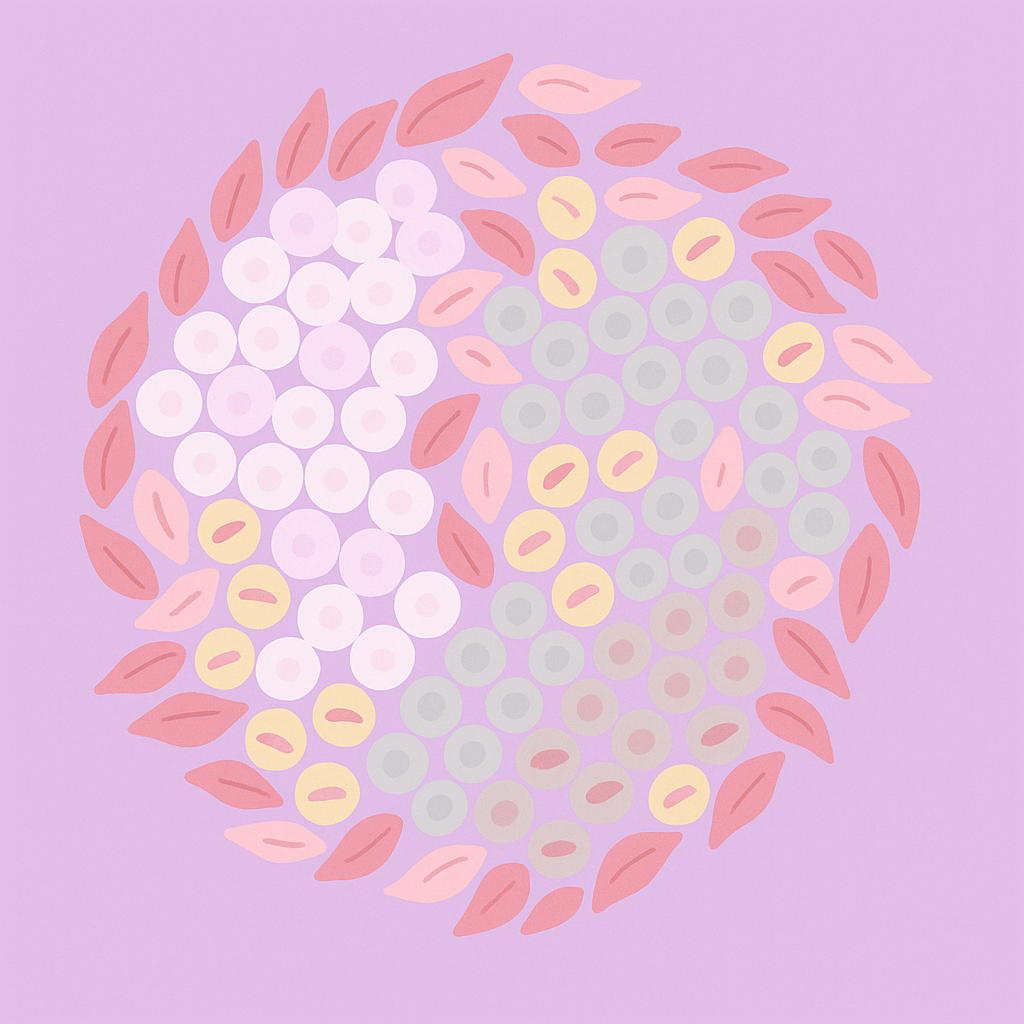
Fibroblasts are fundamental for tissue homeostasis and serve as the core supporting cells in virtually every organ in the body. Fibroblasts orchestrate tissue repair, mediate ECM synthesis and remodeling, and regulate immune cell responses, and as such they are the first responders to tissue damage, infection, and stress. In cancer, this protective role is subverted to support the growing tumor, as cancer cells rewire fibroblasts to become protumorigenic cancer-associated fibroblasts (CAFs). In parallel, conditions such as stress, infection or inflammation could lead to changes in the normal tissue, that create a hospitable environment for the cancer cells to thrive. We aim to understand the co-evolution of cancer cells and CAFs, and how the interactions between them reshape the tumor microenvironment with a particular emphasis on the immune microenvironment. 

Read more

Stress-driven stromal transcriptional reprogramming

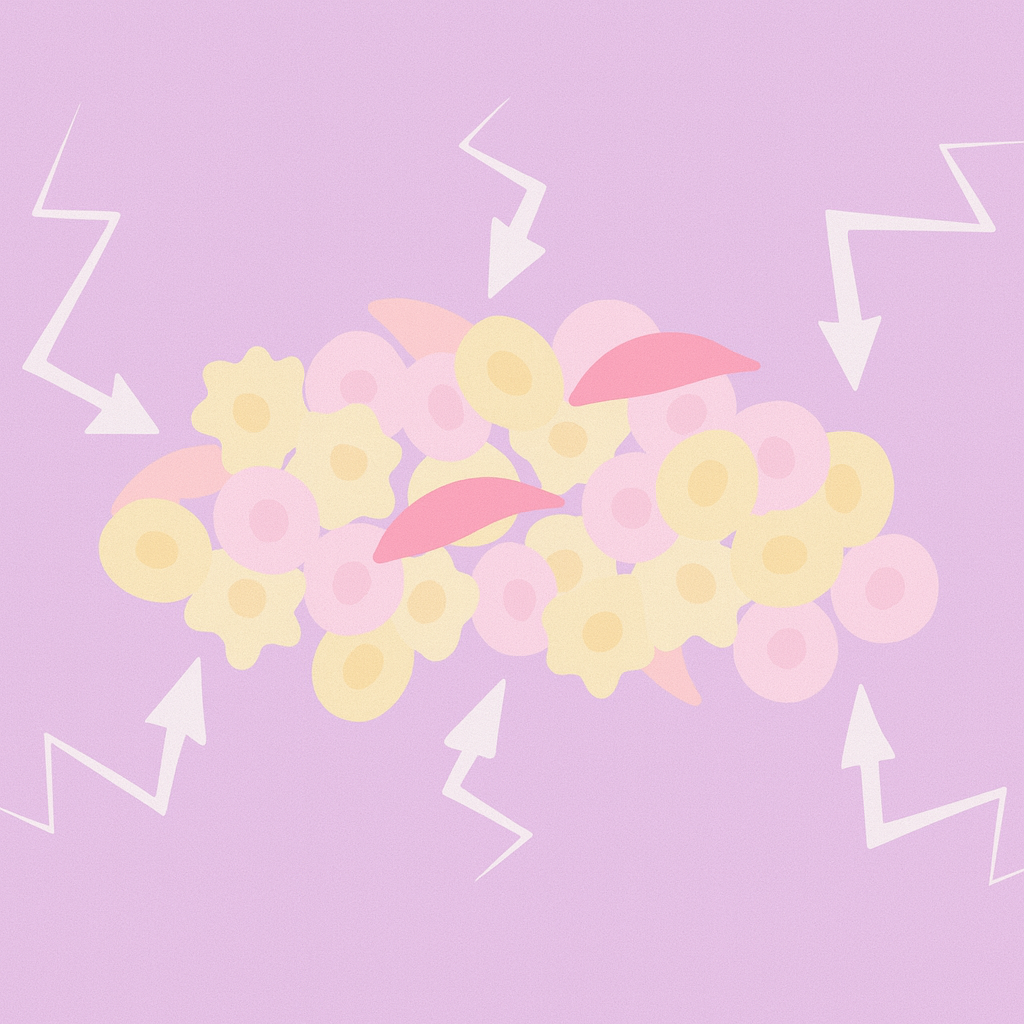
Stress responses are evolutionarily conserved survival mechanisms that are fundamental to normal physiology. In cancer, these pathways are activated by the stressful conditions in the tumor, and subverted to support the growing tumor. In our lab we aim to mechanistically dissect and eventually target these pathways to "normalize" protumorigenic tumor microenvironments.

Read more