Zilberzwige Tal Lab
Research
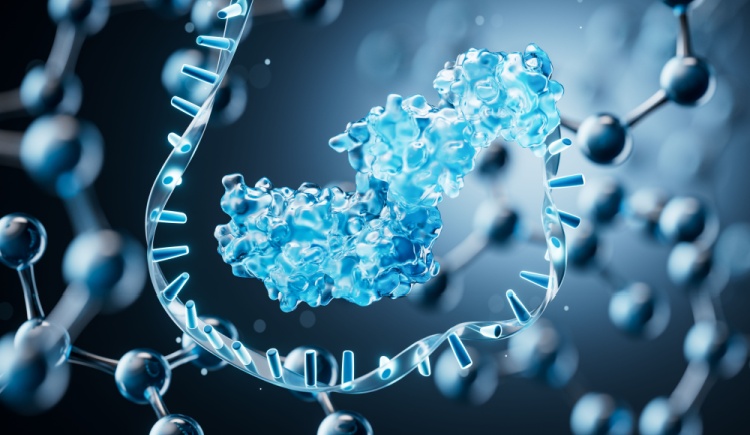
Intelligent regulatory networks are at the core of bacterial survival, enabling cells to sense, compute, and adapt to fluctuating environments with remarkable precision. A central feature of these networks is the intricate interplay between RNA and proteins, which together form a sophisticated regulatory language that our lab is beginning to decipher.
Our research is dedicated to decoding this language by focusing on key RNA-protein systems in bacteria that control cellular fate, including those that can trigger programmed cell death, such as toxin-antitoxin modules. We seek to uncover the evolutionary logic and molecular mechanisms that have sculpted these powerful systems.
By combining experimental and computational approaches including molecular genetics, biochemistry, bioinformatics, and single-cell analysis we reveal how bacteria compute with RNA and proteins, and how these principles can be repurposed to engineer programmable biological intelligence.