
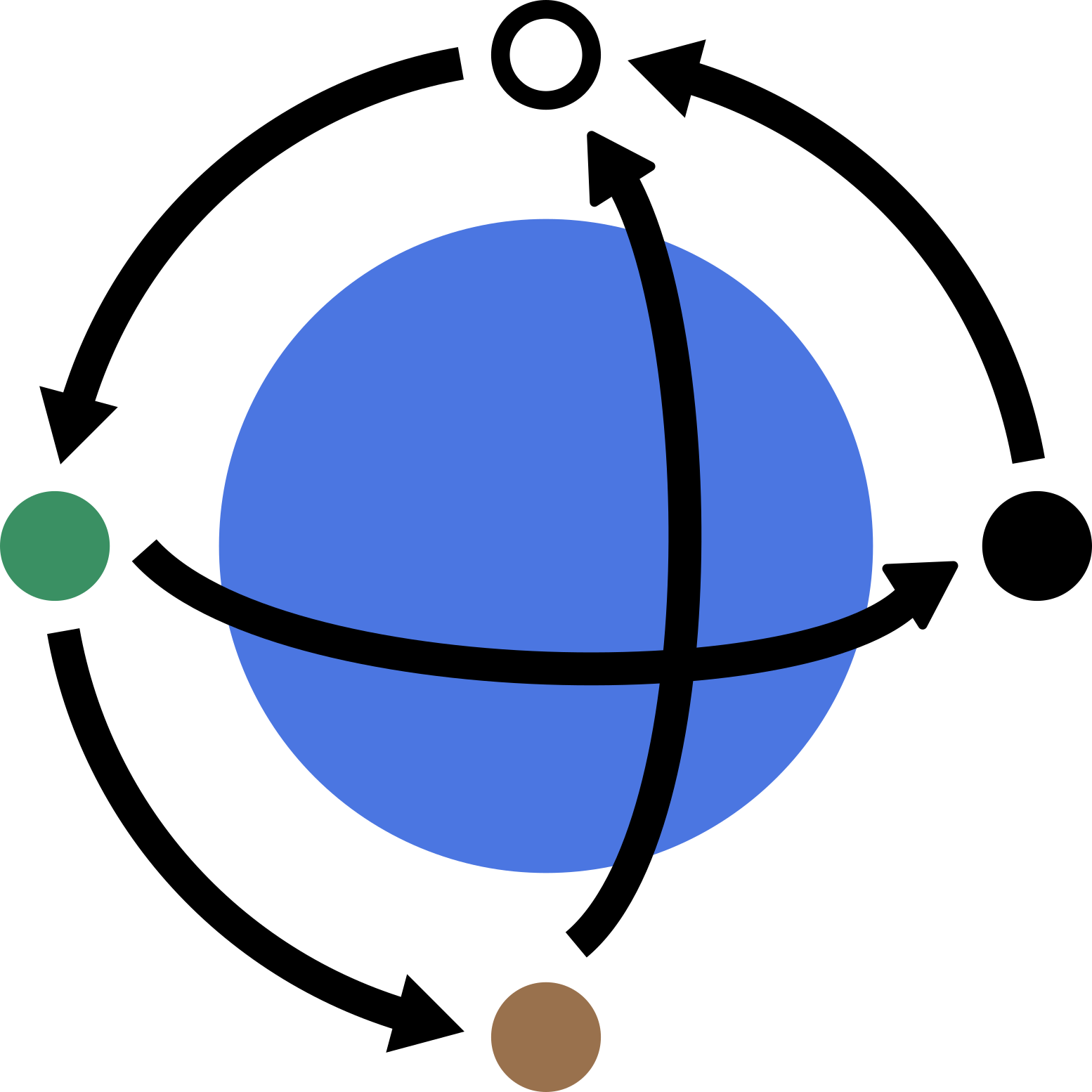
Dead biomass stocks
Our recent work has demonstrated that most of the carbon sequestered in terrestrial ecosystems in the past 30 years is stored in nonliving pools (Bar-On et al. 2025). While these pools seem to be important for global carbon sequestration of anthropogenic emissions, our knowledge about these pools is still very limited.
In our lab, we study these pools globally using a combination of field observations, remote sensing and modeling. We aim to:
- Quantify the global contribution of specific pools such as inland water sediments, harvested wood products and landfill carbon to the total sequestration of carbon
- Map the spatio-temporal dynamics of specific nonliving pools at the global scale
- Identify the environmental and anthropogenic controls over sequestration of carbon in these pools.
- Integrate the above knowledge into models that could simulate the dynamics of these pools and could be incorporated into next-generation terrestrial biosphere models.