
Organic carbon degradation
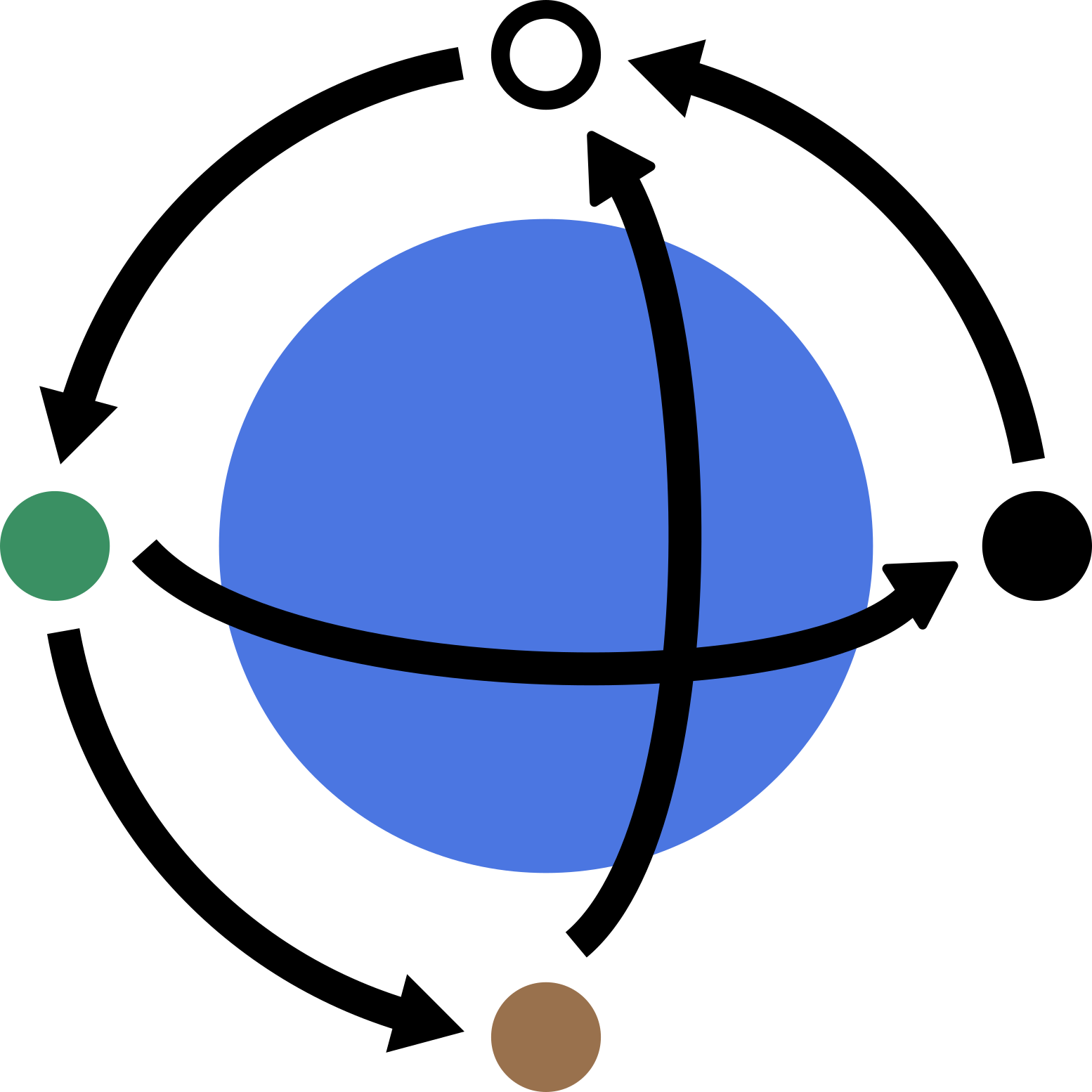
Degradation of organic carbon returns CO2 to the atmosphere, closing the carbon cycle. While this flux is as important as photosynthesis and carbon fixation, and similar in its magnitude, our ability to measure and model it is far more limited. Currently, to predict its global dynamics, we rely on models, which tend to have many parameters, most of which are not constrained by observations. This leads to a high uncertainty in their predictions for how organic carbon degradation will change in the future.
Our lab aims to address this gap by working on two alternative avenues:
- Build new models for organic carbon degradation which are simple enough to leverage existing available data in an effective way. The low number of parameters in these models will help reduce parametric uncertainty and thus will improve future model predictions.
- Synthesize global datasets on the main pathways through which organic carbon degradation occurs, such as litter, dead wood or decay, below ground exudation. This data will help construct new model structures that are better constrained by observations, which will enhance their performance. Crucially, understanding the responses of the rates of decay in each pathway to environmental conditions will improve our understanding or how they might react to global change in the future.