The Oren Lab
How Sex Shapes Brain Design, Behavior & Vulnerability

Research
The Oren lab investigates how sexually dimorphic patterns in the brain emerge, from synapse formation to animal behavior
Sexual dimorphisms in brain structure and behavior are widespread across the animal kingdom, yet the mechanisms by which shared neurons generate sex-specific circuit function remain poorly understood. The Oren-Suissa lab investigates how genetic sex shapes neuronal circuits, from synapse formation and circuit topology to behavior and neuronal health.
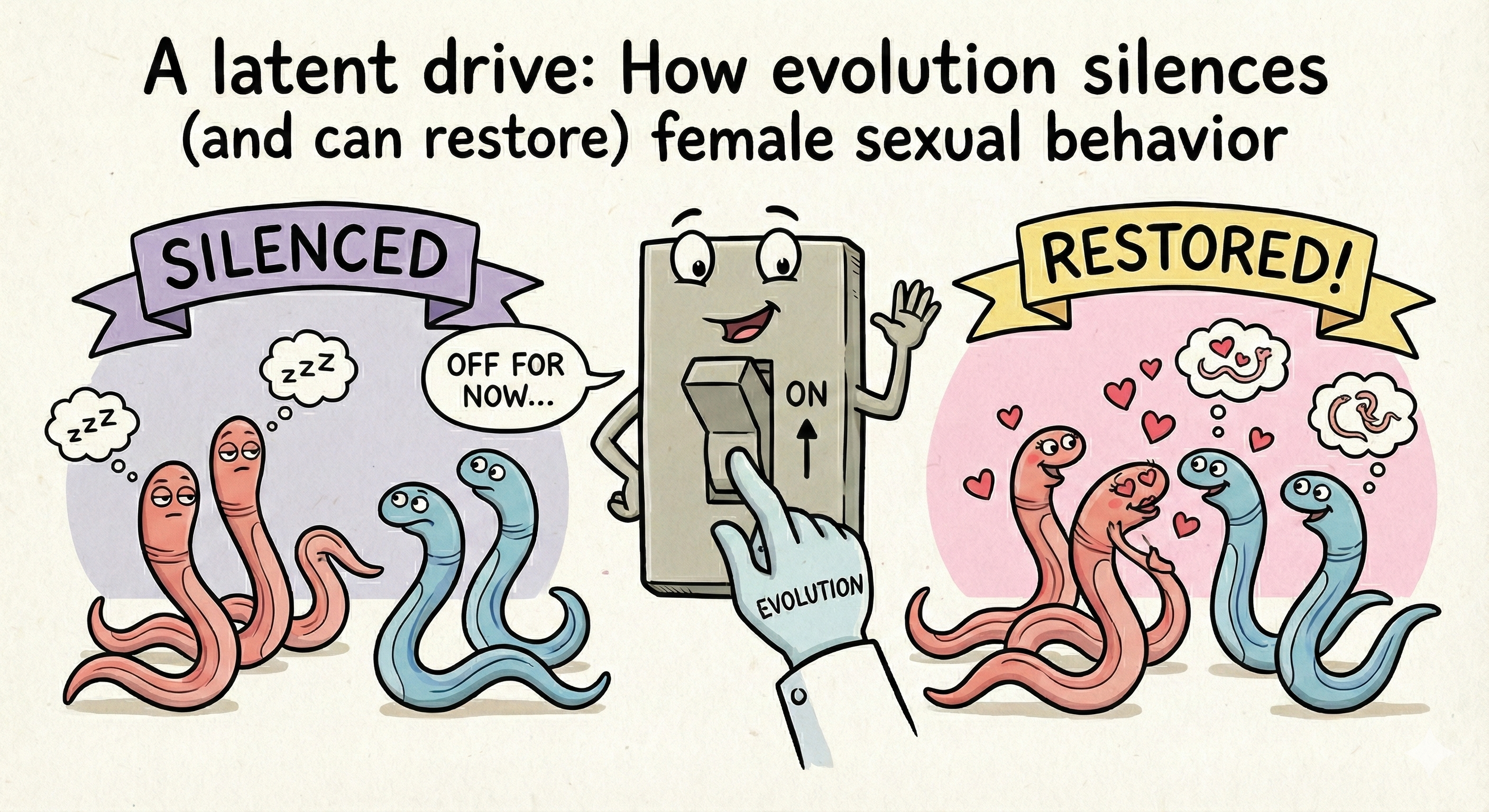
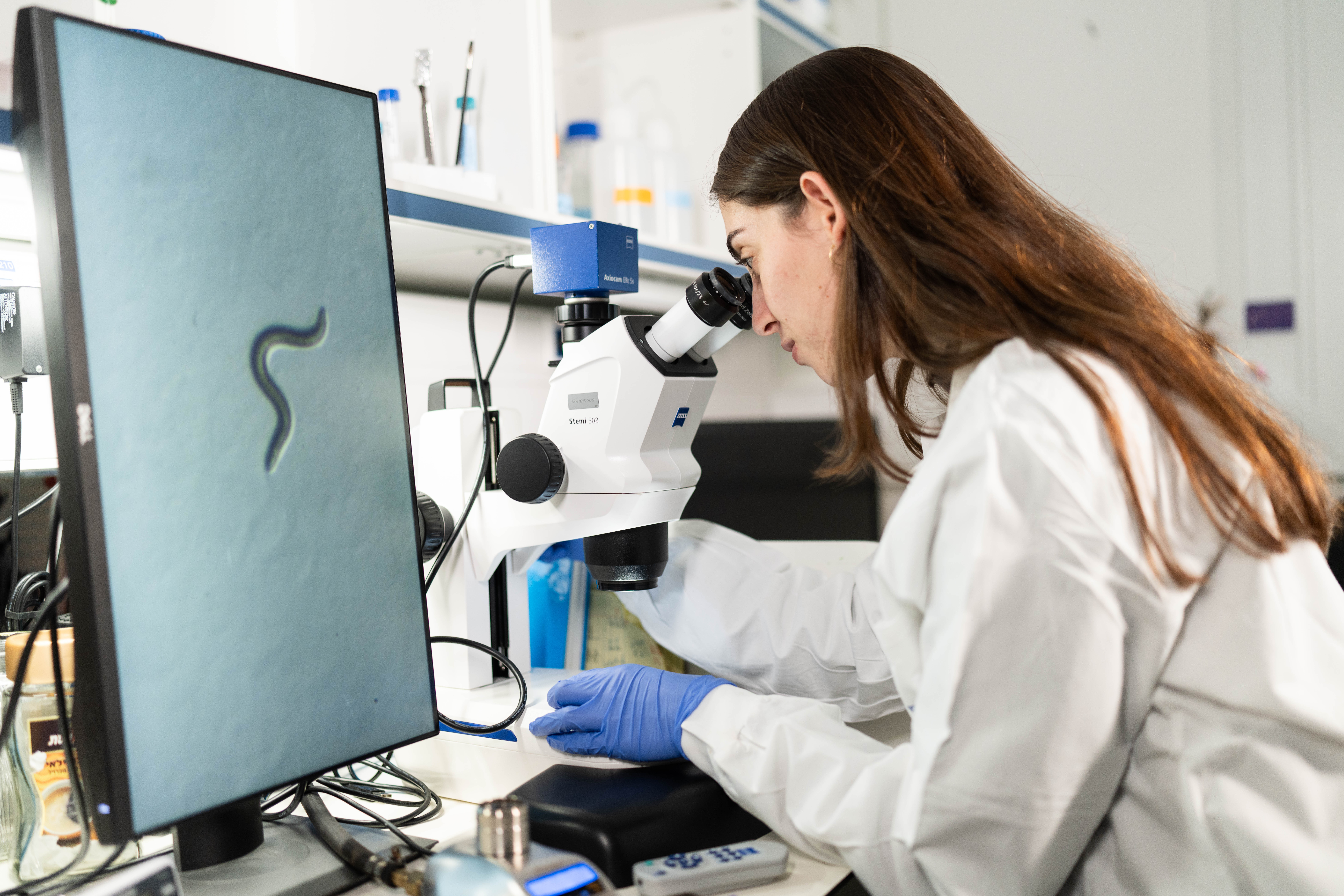
Using the nematode Caenorhabditis elegans as a primary model system, we combine genetics, connectomics, single-cell transcriptomics, and behavioral analysis to uncover the design principles that allow shared neural circuits to generate distinct behaviors in males and females. Our work has shown that small sex-specific differences in synaptic connectivity and neuromodulatory signaling can profoundly bias information flow through neural circuits and produce robust behavioral divergence.
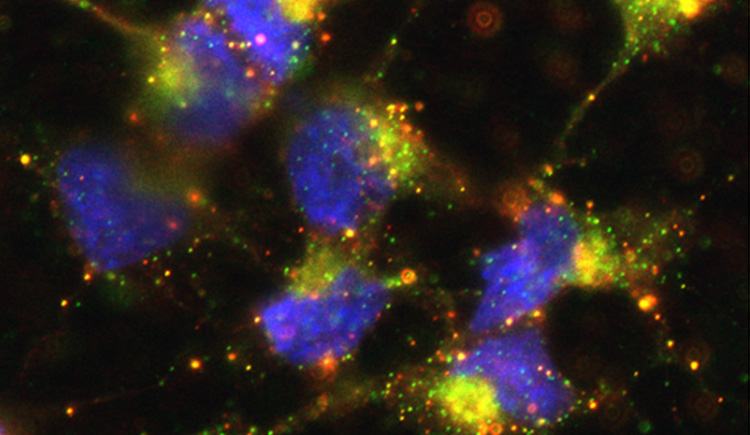
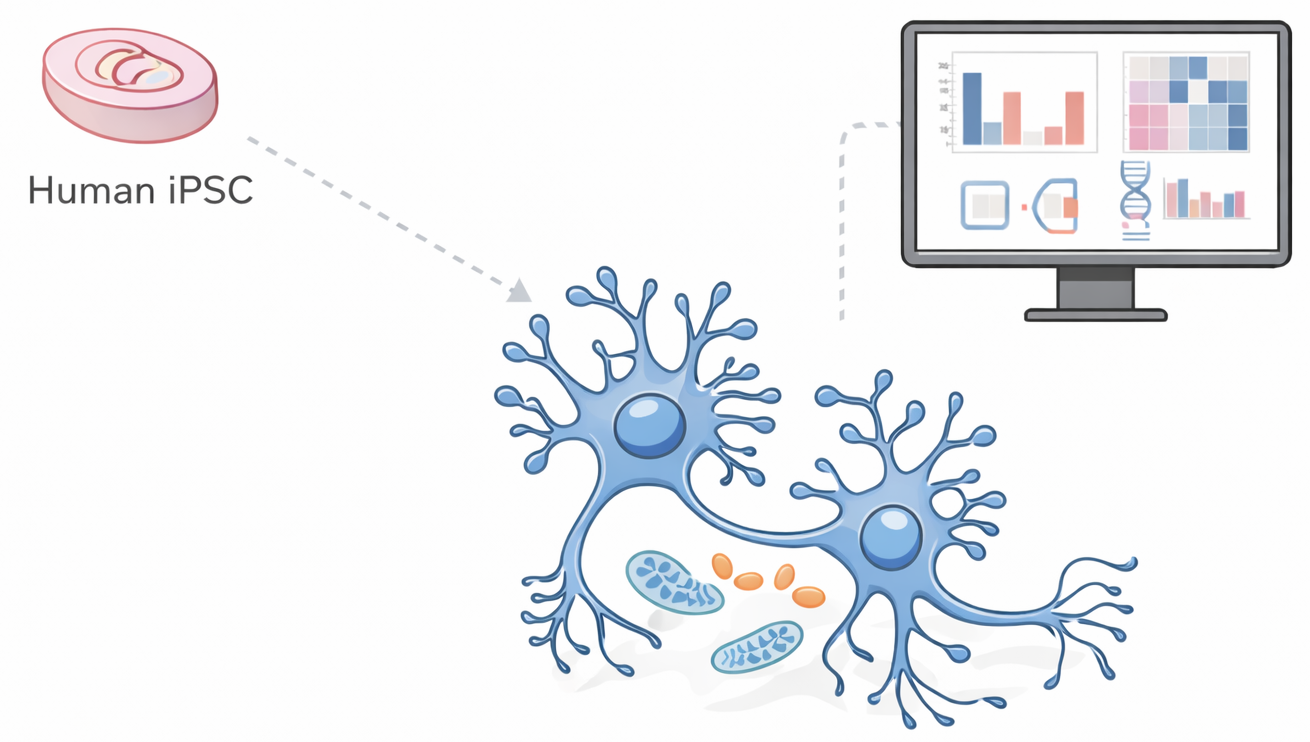
More recently, we have expanded this framework to examine how the same mechanisms that stabilize sex-specific circuits can also create vulnerabilities. Our research identified a conserved pathway involving the Netrin receptor DCC/UNC-40 that controls synapse stability and can trigger sexually dimorphic neurodegeneration in dopaminergic neurons when dysregulated. To investigate whether similar principles operate in mammals and humans, we are extending our studies to mouse models and human induced pluripotent stem cell-derived dopaminergic neurons.
Together, these approaches allow us to study sexual dimorphism across multiple levels- from genes and synapses to circuits, behavior, and disease,revealing how sex-specific optimization of neural circuits shapes both adaptive behaviors and neuronal vulnerability.