Research

Mechanism of sex-specific synapse elimination

We recently showed that sex-specific wiring patterns are the result of sex-specific synaptic pruning events. Synapse pruning is a widely used mechanism to shape neuronal circuits during development, but it has not been previously implicated in the context of generating sex-specific neuronal circuitry. We observed striking patterns of cellular autonomy of the synaptic pruning events and found pruning to be regulated by differential expression of sex-specific transcription factors. We are interested in understanding the molecular mechanisms underlying synapse elimination, which function in a highly local and sex-specific manner

Read more

Elucidate the development and function of sexually dimorphic neuronal circuits

We are working to characterize novel sexually dimorphic behaviors mediated via sex-shared circuits that receive similar environmental input yet respond differently. Specifically, we seek to elucidate how genetic sex modulates neuronal function, neural circuit dynamics, learning and behavior during development.

Read more

Synaptic organization in health and disease

When does synapse stabilization become neuronal vulnerability?
Our research revealed that the Netrin receptor DCC/UNC-40 regulates synapse stability through controlled protein turnover. We now investigate how disruption of this pathway affects neuronal health and degeneration using C. elegans, mouse models, and human neurons.

Read more

Modeling sex differences in human neurons

Are male and female neurons intrinsically different?
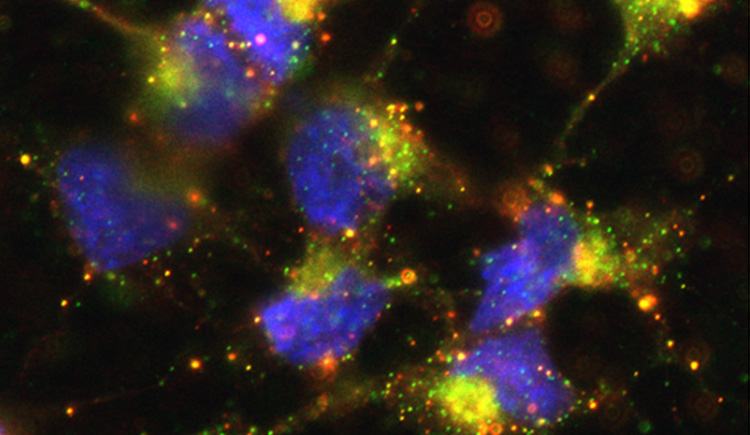
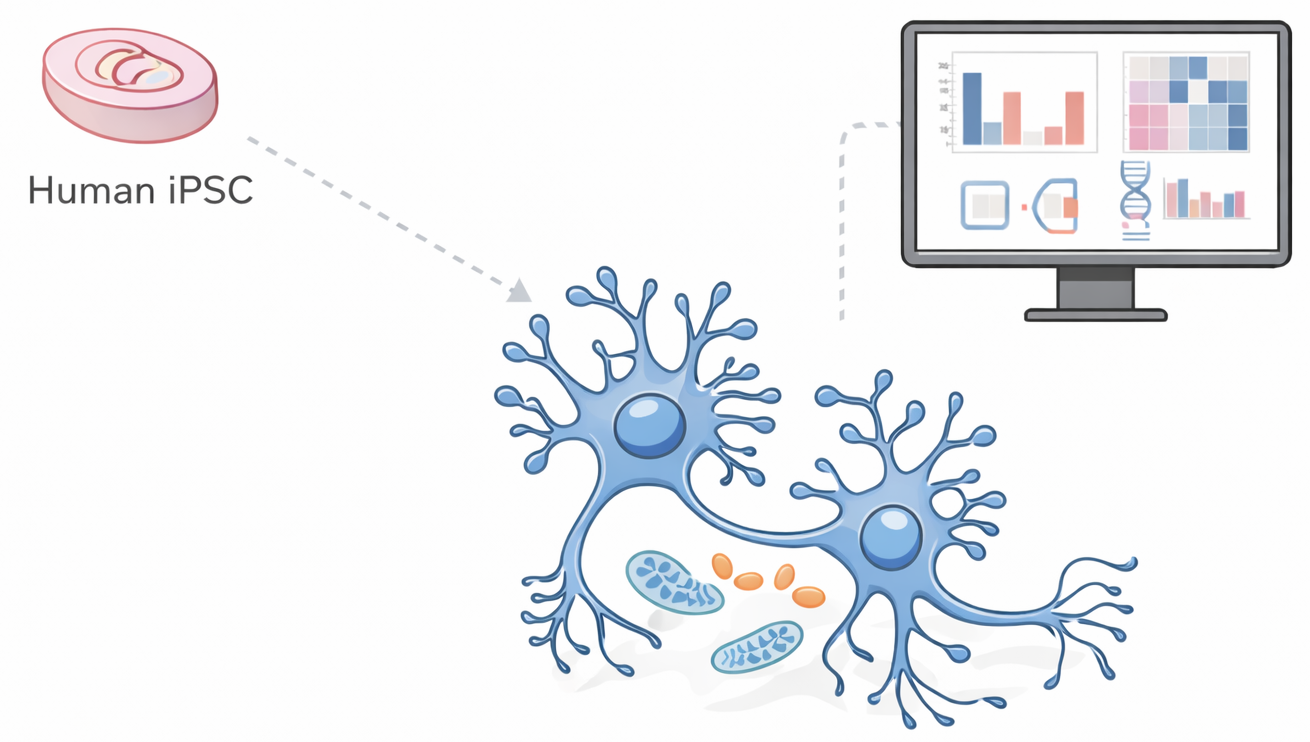
Using human induced pluripotent stem cells (iPSCs), we generate genetically matched XX and XY dopaminergic neurons to test whether genetic sex alone influences neuronal function and stress resilience. This system allows us to study intrinsic sources of neuronal vulnerability relevant to neurodegenerative diseases such as Parkinson’s disease.


Read more

Evolution of sexual motivation circuits

How do new sexual behaviors evolve in the brain?
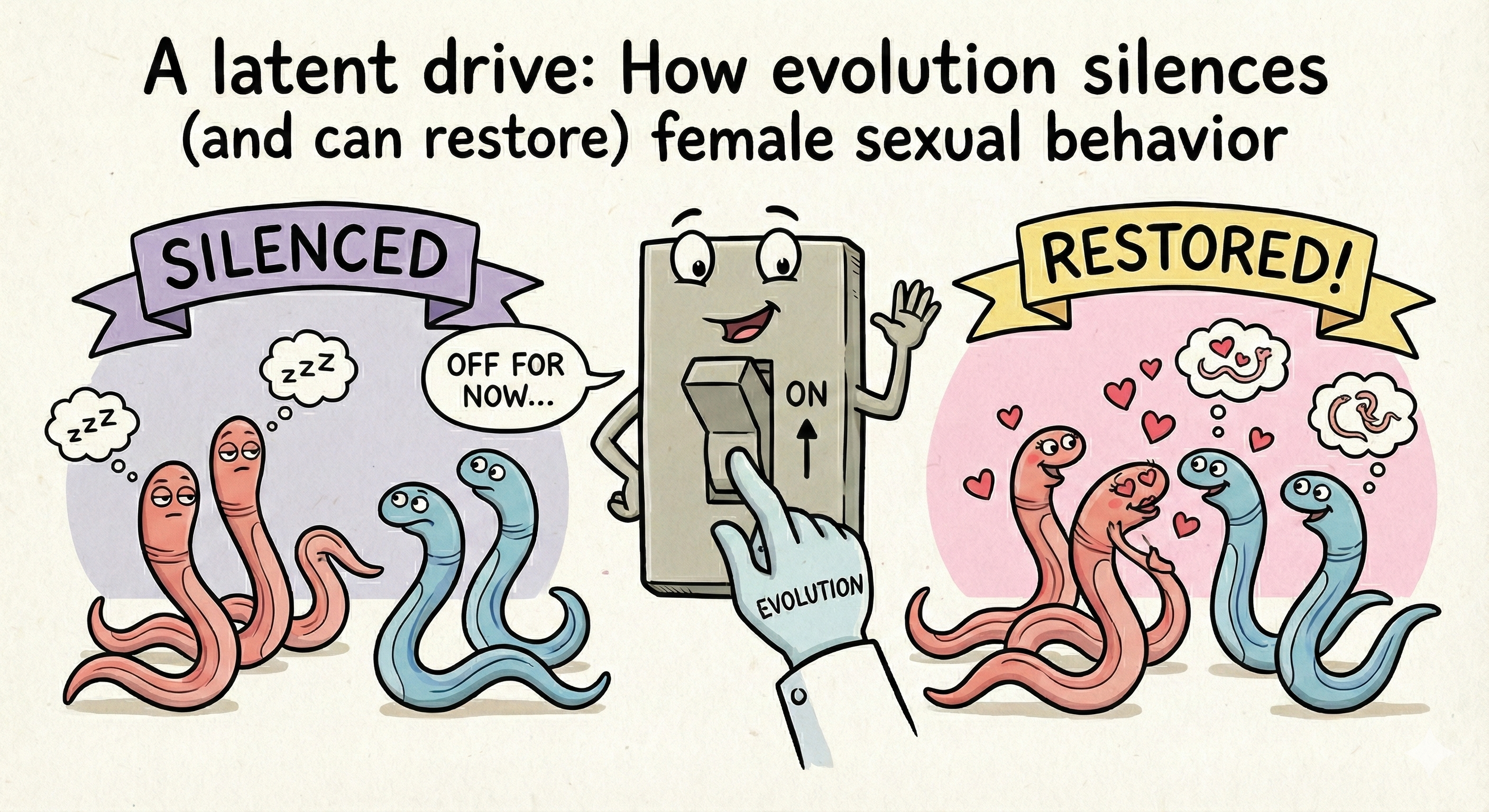
By comparing hermaphroditic and female Caenorhabditis species such as C. afra, we investigate how neural circuits evolve to generate sexual motivation. Our work suggests that female mating behaviors may arise from latent circuits that can be revealed through evolutionary changes in neuromodulation.

Read more