Research

Basic properties of plant transcription

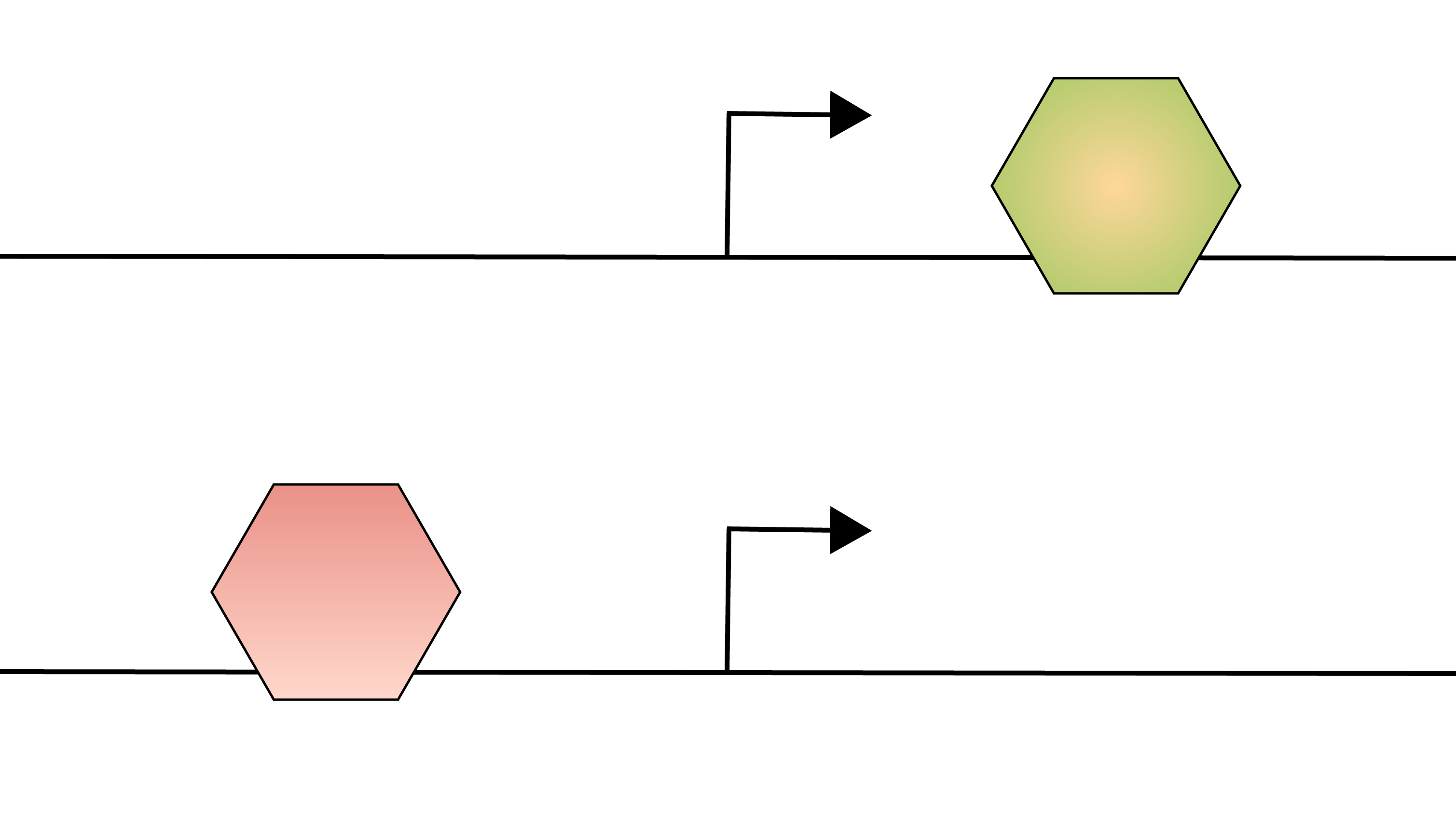
Much of what we know about transcription comes from studying animal systems, but plants follow their own rules. Plants and animals evolved multicellularity independently and each had to invent solutions to accommodate cell type-specific gene expression. As a result, many basic properties of transcriptional regulation are not necessarily identical in plants and animals. We seek to uncover the principles they share - and where they diverge. For example, we recently showed that in plants, transcriptional regulatory elements function differently depending on whether they are located inside or outside the transcribed region (Voichek et al. 2024). This stands in stark contrast to animals, where regulatory elements are largely independent of position.
 

How does genomic context shape transcription factor function?

Some transcription factors in plants preferentially bind inside transcribed regions, while others bind primarily outside. Classical models predict that proximity to a gene should be sufficient, regardless of the exact position. However, preliminary data suggest that binding context influences function. We aim to uncover the mechanistic basis of these differences and their implications for the regulatory code by studying multiple transcription factor families in model plant species, using both high-throughput sequencing and biochemical approaches.

Common and divergent paths in eukaryotic transcription

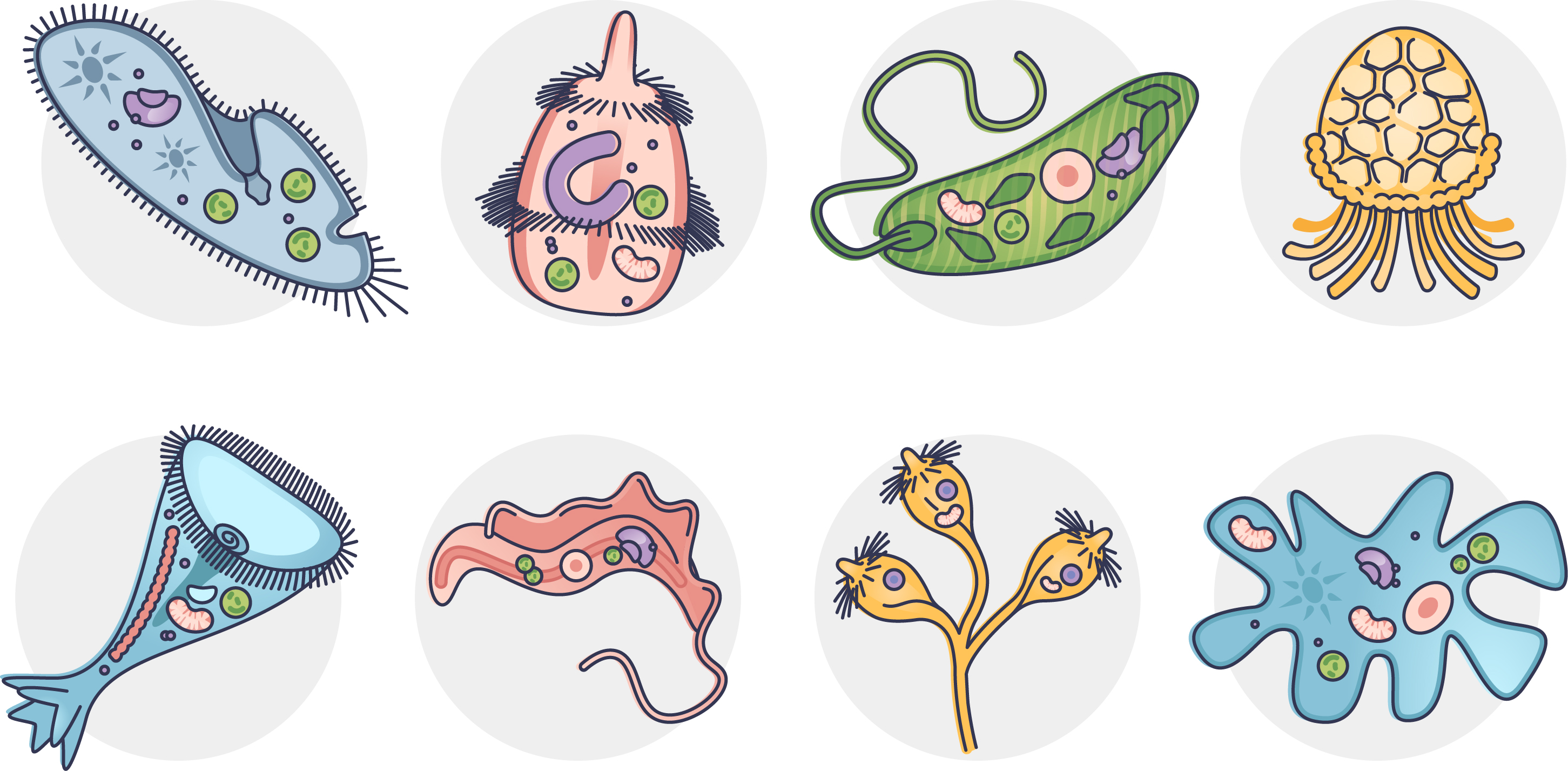
What unites eukaryotic transcription across a billion years of evolution — from animals and plants to algae, fungi, and diverse protists? While some features of the transcription machinery are deeply conserved, tracing back even to archaea, others have diverged dramatically. General transcription factors, for instance, are duplicated or missing in different lineages. Core promoter elements, where the pre-initiation complex binds, are widespread yet have also been lost and reinvented many times. Why such diversity? What are the benefits of gaining or losing these elements or proteins in the basic machinery of transcription? These questions remain unanswered. With the explosion of genomic data and the growing diversity of model organisms across the eukaryotic tree of life, we are now in a unique position to uncover the evolutionary logic of transcription.