Ultracold Atoms, Ions & Molecules
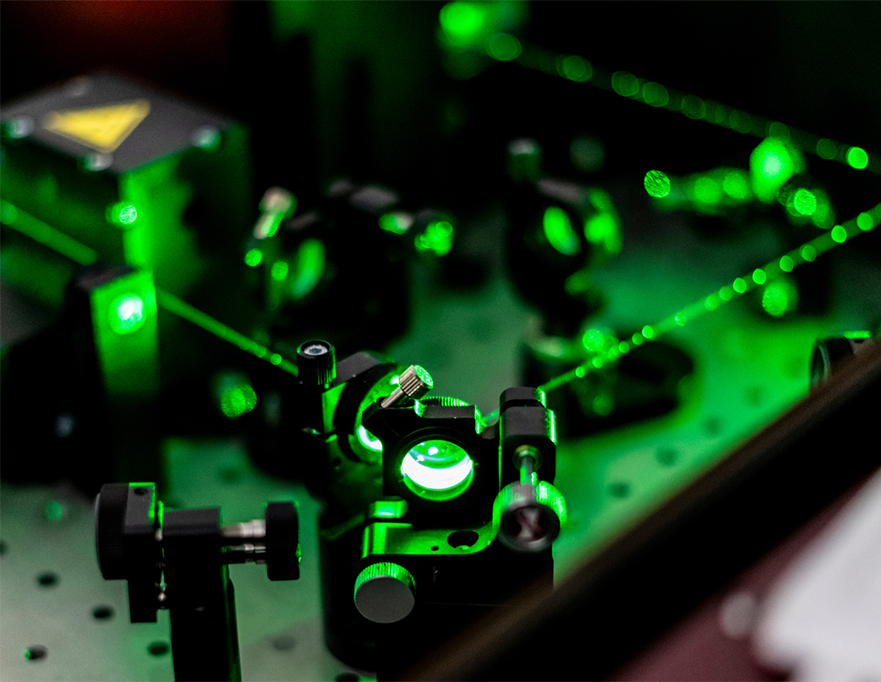
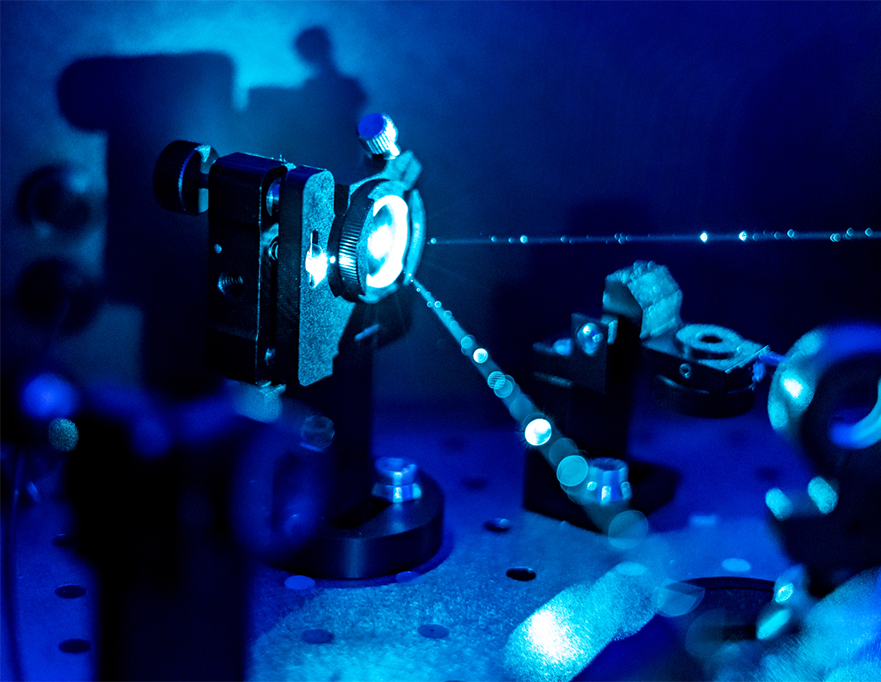
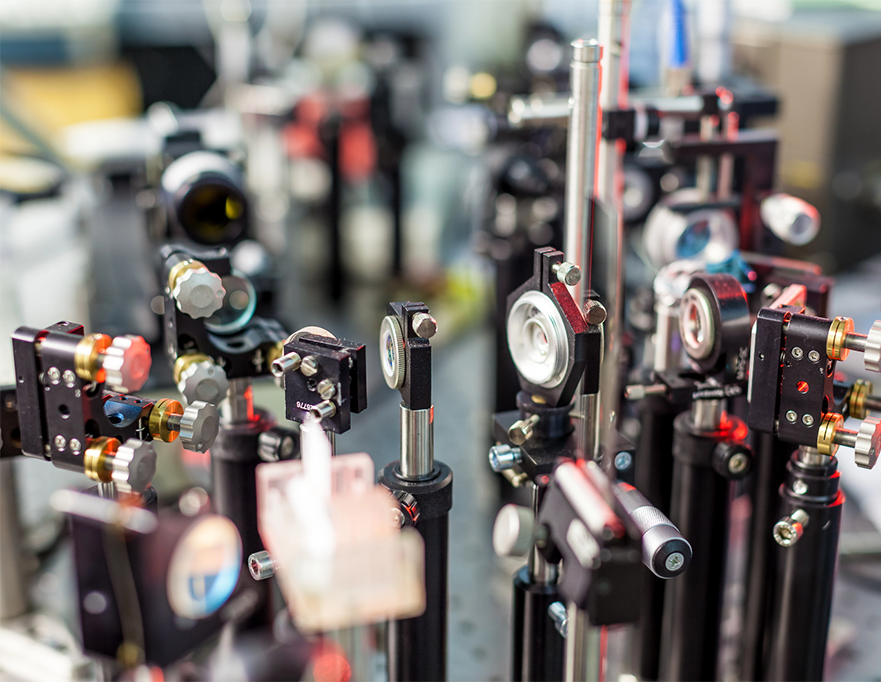
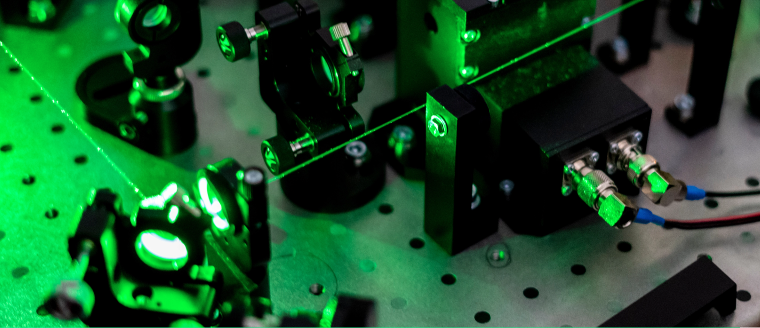
Several groups at AMOS are investigating the properties and behavior of atoms and molecules in the ultracold temperature regime. AMOS groups study the behavior of quantum degenerate Bose and Fermi gasses, ultracold trapped ions, cold molecules, and more.
Research Groups
-
 Nir Davidson
Nir Davidson
- Ultracold Atoms, Ions & Molecules
- Quantum Optics & Cavity QED
- Coherent Control & Quantum Information
- Laser Physics & Nanophotonics
- Atomic, Molecular & Precision Spectroscopy
Department of Physics of Complex SystemsPhone: +972-8-934-2034 -
 Barak Dayan
Barak Dayan
- Ultracold Atoms, Ions & Molecules
- Quantum Optics & Cavity QED
- Coherent Control & Quantum Information
- Laser Physics & Nanophotonics
Department of Chemical and Biological Physics -
 Roee Ozeri
Roee Ozeri
- Ultracold Atoms, Ions & Molecules
- Quantum Optics & Cavity QED
- Coherent Control & Quantum Information
- Atomic, Molecular & Precision Spectroscopy
Department of Physics of Complex SystemsPhone: +972-8-934-2032 -
 Ofer Firstenberg
Ofer Firstenberg
- Ultracold Atoms, Ions & Molecules
- Quantum Optics & Cavity QED
- Coherent Control & Quantum Information
- Nonlinear Optics, Imaging & Microscopy
- Atomic, Molecular & Precision Spectroscopy
Department of Physics of Complex SystemsPhone: +972-8-934-6335 -
 Ephraim Shahmoon
Ephraim Shahmoon
- Ultracold Atoms, Ions & Molecules
- Quantum Optics & Cavity QED
- Coherent Control & Quantum Information
Department of Chemical and Biological PhysicsPhone: +972-8-934-2340 -
 Serge Rosenblum
Serge Rosenblum
- Ultracold Atoms, Ions & Molecules
- Quantum Optics & Cavity QED
- Coherent Control & Quantum Information
Department of Condensed Matter PhysicsPhone: +972-8-934-6157 -
 Ziv Meir
Ziv Meir
- Ultracold Atoms, Ions & Molecules
- Coherent Control & Quantum Information
- Atomic, Molecular & Precision Spectroscopy
Department of Physics of Complex SystemsPhone: +972-8-934-2608 -
 Alexander Poddubny
Alexander Poddubny
- Quantum Optics & Cavity QED
- Ultracold Atoms, Ions & Molecules
- Laser Physics & Nanophotonics
Department of Physics of Complex SystemsPhone: +972-8-934-3697