Research

Uncovering the role of osteoblasts and immune cells in breast and lung cancer bone metastasis

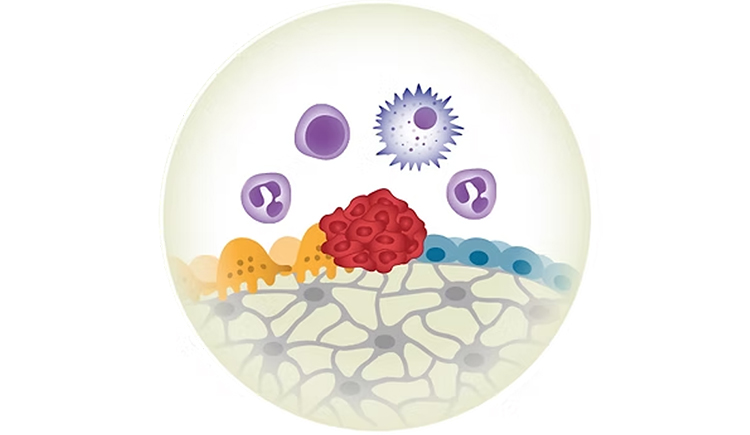
Bone is the most common site of breast and lung cancer metastasis. Bone metastases are typically incurable and encompass severe morbidities, including pain, bone destruction, hypercalcemia and fractures. Bone stromal cells are reprogrammed by secreted factors from cancer cells, and their dynamic plasticity is a driving force in enabling metastatic relapse through modulation of the immune cells in the bone microenvironment. We characterize the bone metastatic microenvironment in breast and lung cancer, focusing on functional and spatial aspects of stromal and immune cell interactions.


Understanding sex differences in cancer metastasis

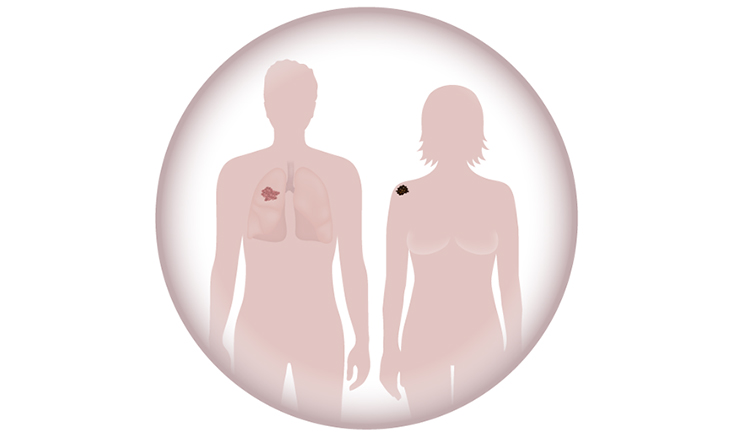
Biological sex is a central variable affecting cancer incidence, progression and outcome. Specifically, Men have an almost twofold higher risk of death from cancer than women. The underlying reasons are multifactorial (hormonal, behavioral etc.) However, sex-related differences are largely ignored, and the underlying mechanisms remain enigmatic. We characterize stromal and immune-based mechanisms underling sex differences in lung cancer and melanoma metastasis.

Uncovering the formation of the pre-metastatic niche

The early stages of metastasis are largely a “black box”. Using clinically relevant mouse models of breast cancer, lung carcinoma and melanoma metastasis we uncover the early changes in organ-specific microenvironments that create a hospitable metastatic niche.

Elucidating the reciprocal interactions between cancer-associated fibroblasts and immune cells in the tumor microenvironment

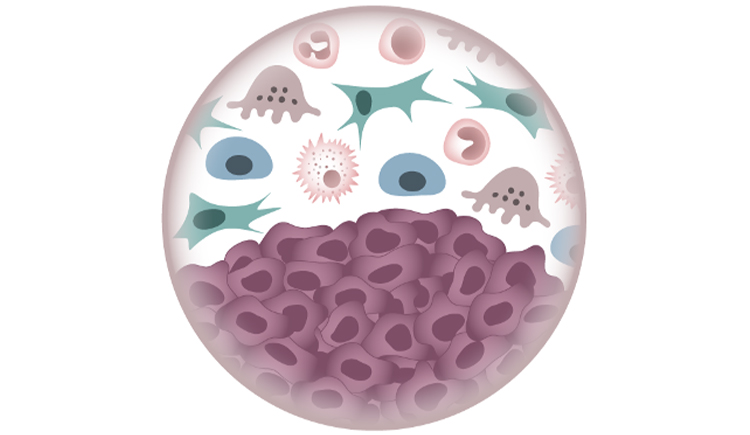
Cancer-associated fibroblasts (CAFs) are key regulators of tumor progression and therapy response. CAFs shape inflammatory responses, immune suppression, and metastatic spread by their dynamic crosstalk with immune cells in the tumor microenvironment. We investigate the molecular and cellular mechanisms governing CAF-immune interactions and their impact on metastatic relapse and therapy response.

Characterizing the role of astrocytes and neuroinflammation in brain metastasis

Brain metastases are associated with poor prognosis and limited therapeutic options. The brain tumor microenvironment is unique, shaped by neural, stromal and inflammatory components. Astrocytes are central players in the brain metastatic microenvironment and orchestrate tumor-promoting neuroinflammation. We investigate astrocyte heterogeneity, dynamic evolution and the molecular and cellular mechanisms by which astrocytes modulate brain metastasis across multiple cancer types.