
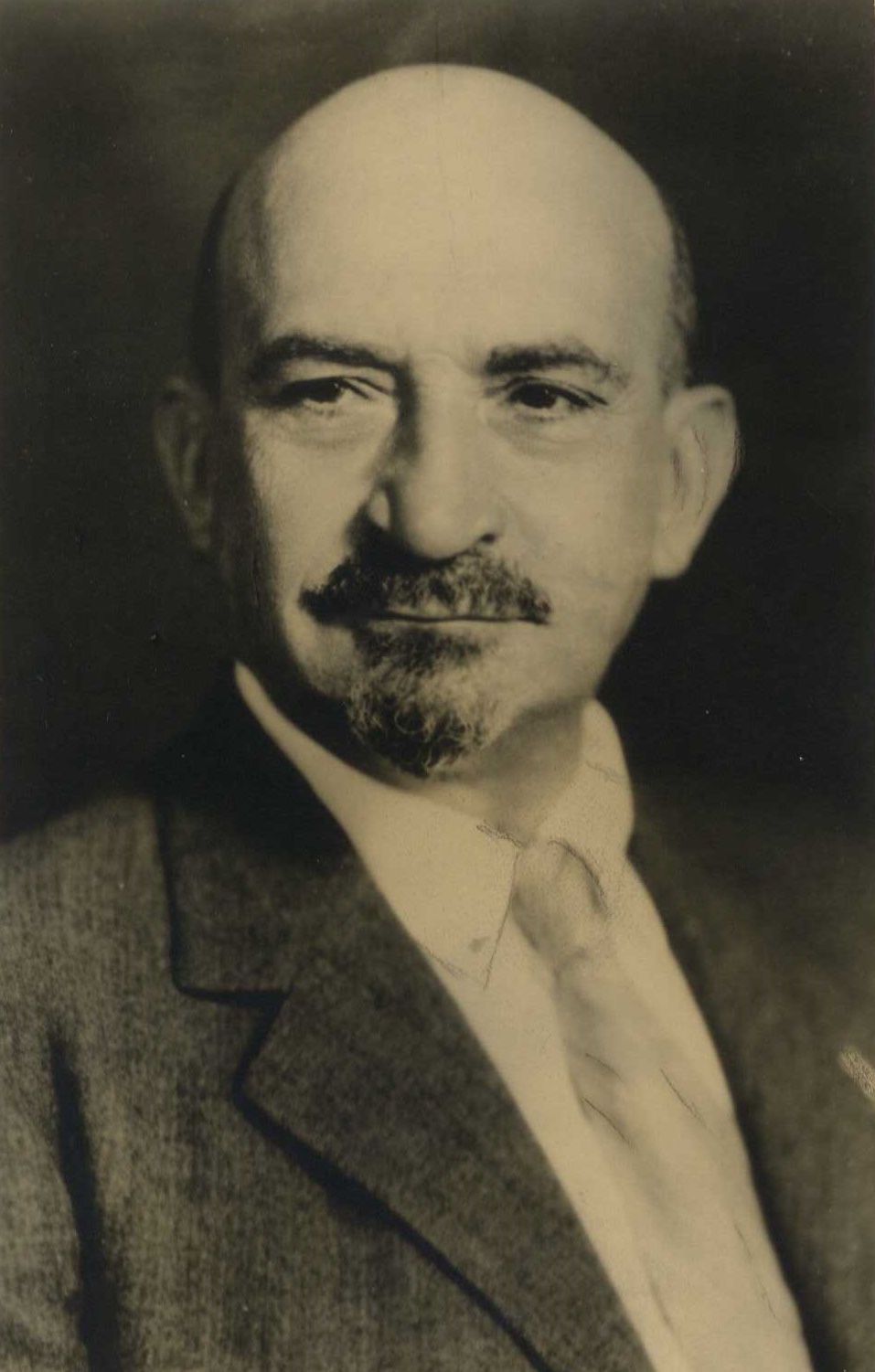
Scientist and statesman, Dr. Chaim Weizmann endeavored to lay the foundations of the State of Israel through the establishment of educational and research institutions that would drive the nascent country’s economy and society.
Past Presidents
The illustrious history of the Weizmann Institute began with one visionary man
Scientist and statesman, Dr. Chaim Weizmann endeavored to lay the foundations of the State of Israel through the establishment of educational and research institutions that would drive the nascent country’s economy and society.
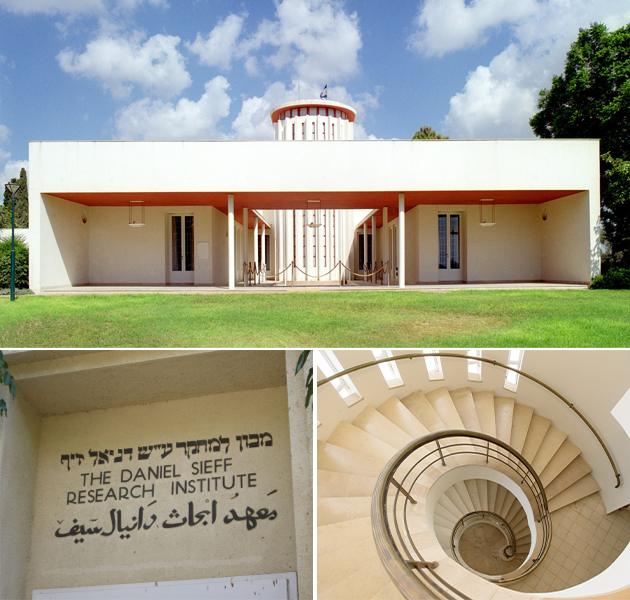
The Weizmann Institute of Science, which he established in 1934 as the Daniel Sieff Research Institute, was the jewel in the crown of this vision. It was renamed in his honor in 1949, the year he became Israel’s first President.
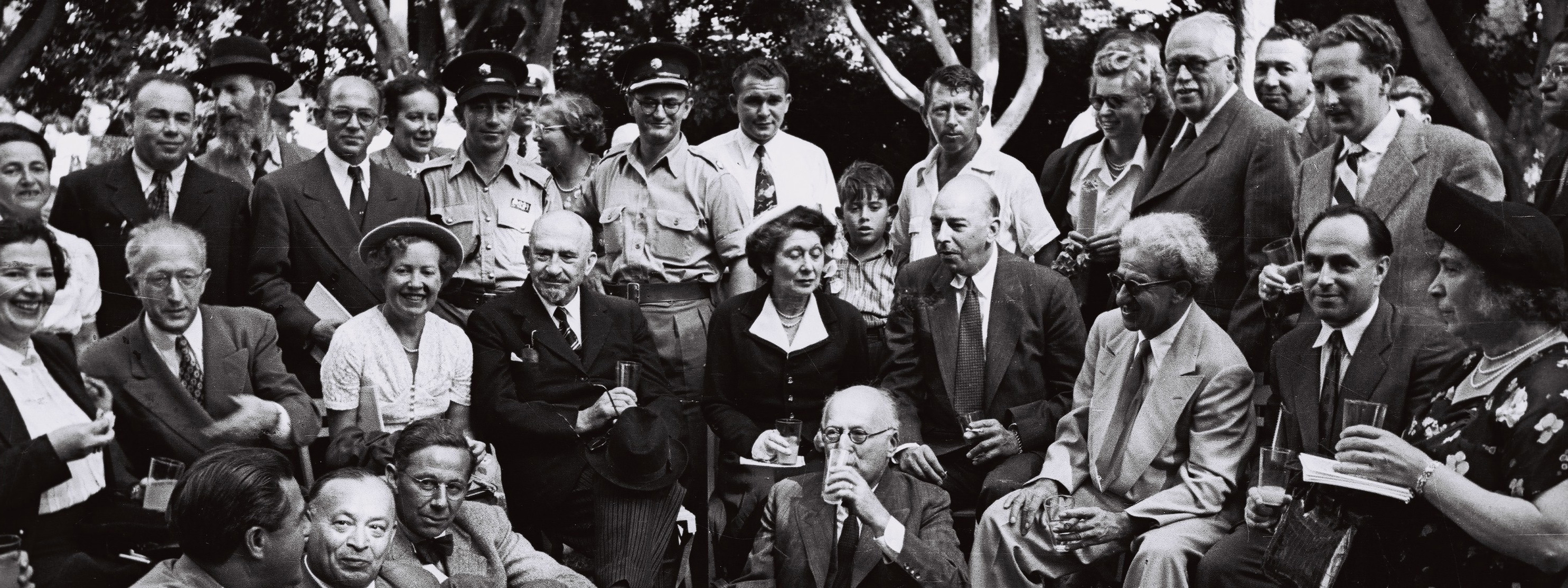
Chaim and Vera Weizmann made their home on the Institute campus in Rehovot. The Weizmann House and Archives are a national landmark under the auspices of Yad Chaim Weizmann, whose mission is to maintain the legacy of the visionary Zionist.
His famous statement, “Miracles sometimes occur, but one has to work terribly hard for them,” has resonated with generations of Institute scientists and citizens of Israel.
I trust and feel sure in my heart that science will bring to this land both peace and a renewal of its youth, creating here the springs of a new spiritual and material life.
– Dr. Chaim Weizmann
Past Presidents
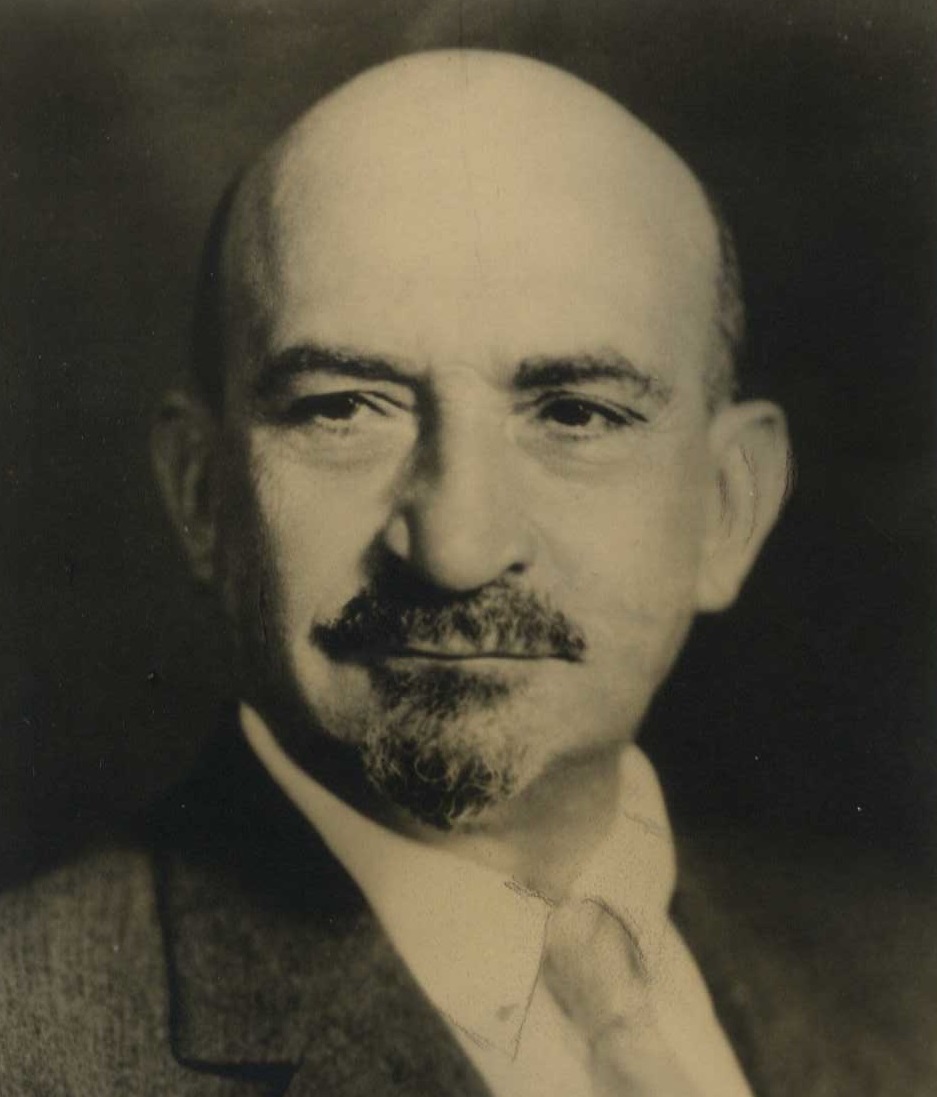
Chaim Weizmann
1934-1952
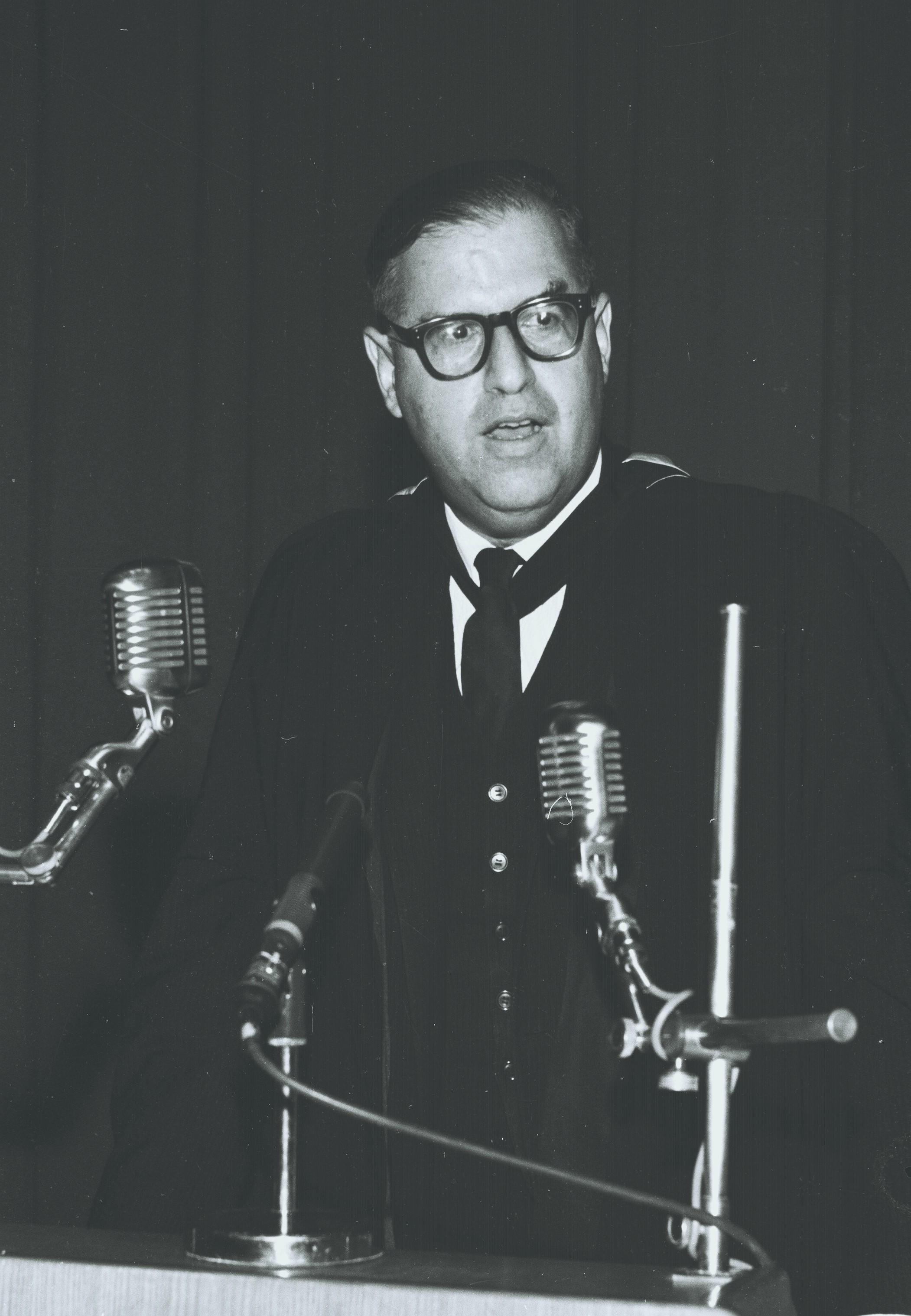
Abba Eban
1959-1966
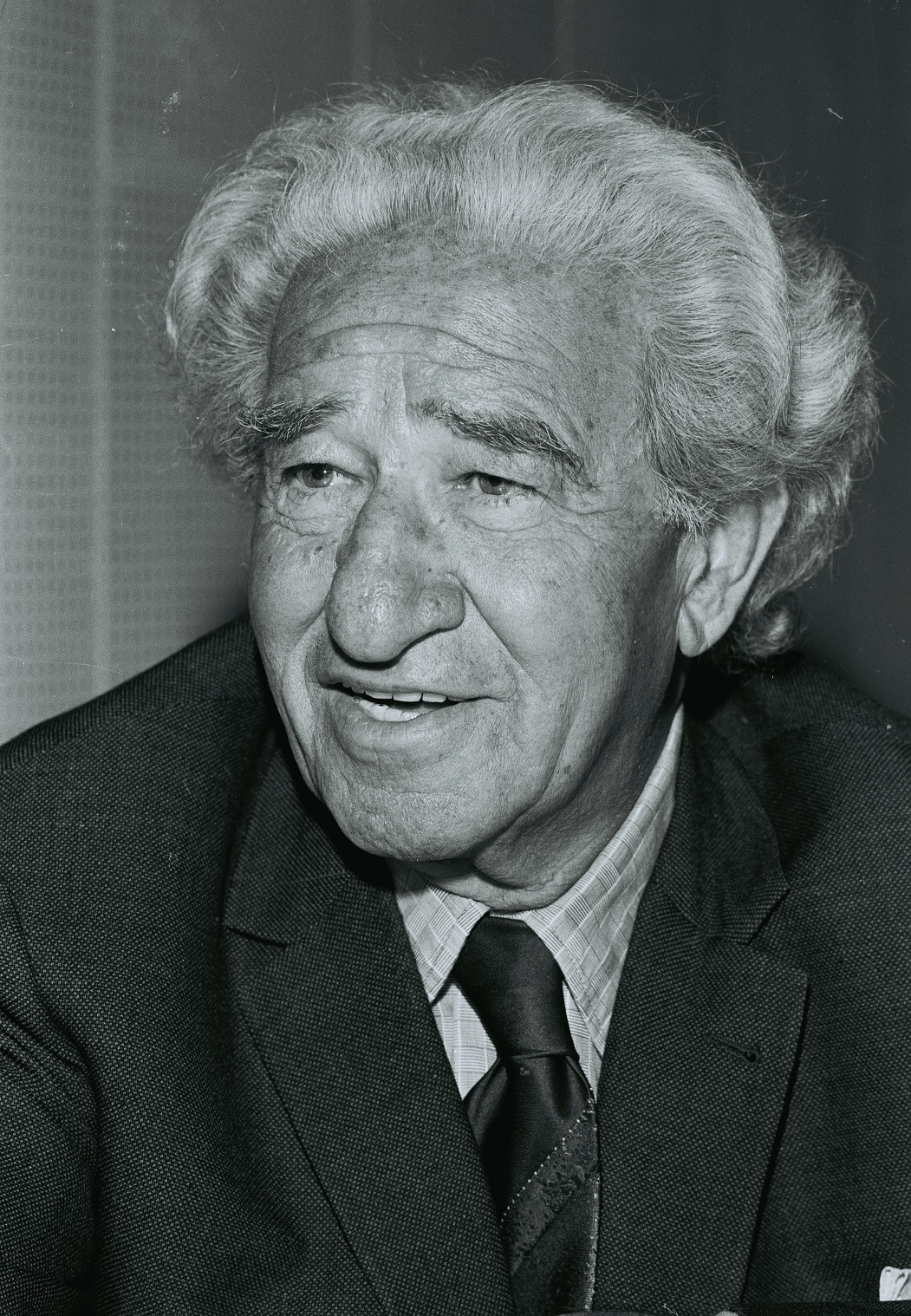
Meyer Weisgal
1952–1959, 1966-1970
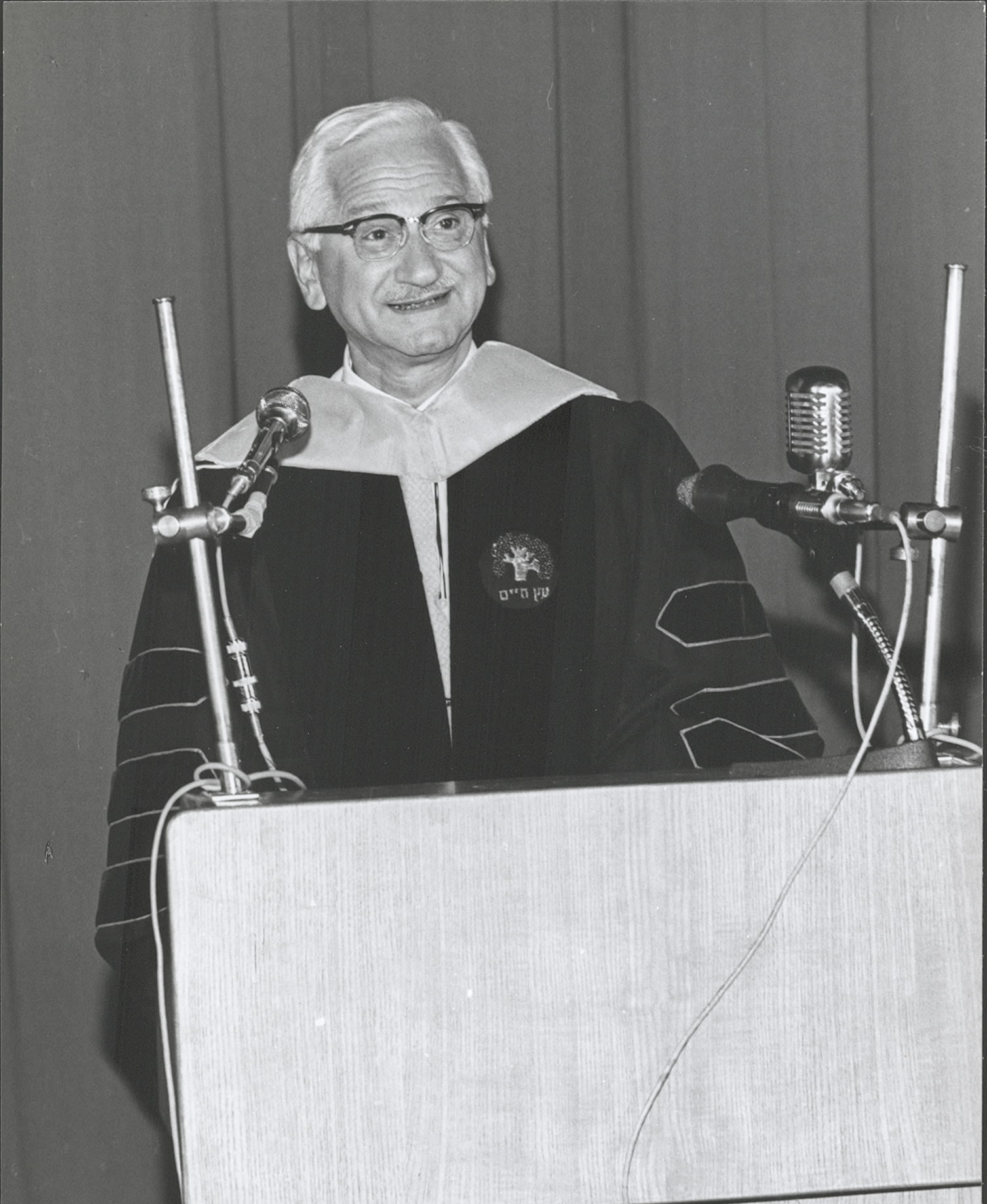
Albert Sabin
1970-1972

Israel Dostrovsky
1972-1975

Michael Sela
1975-1985
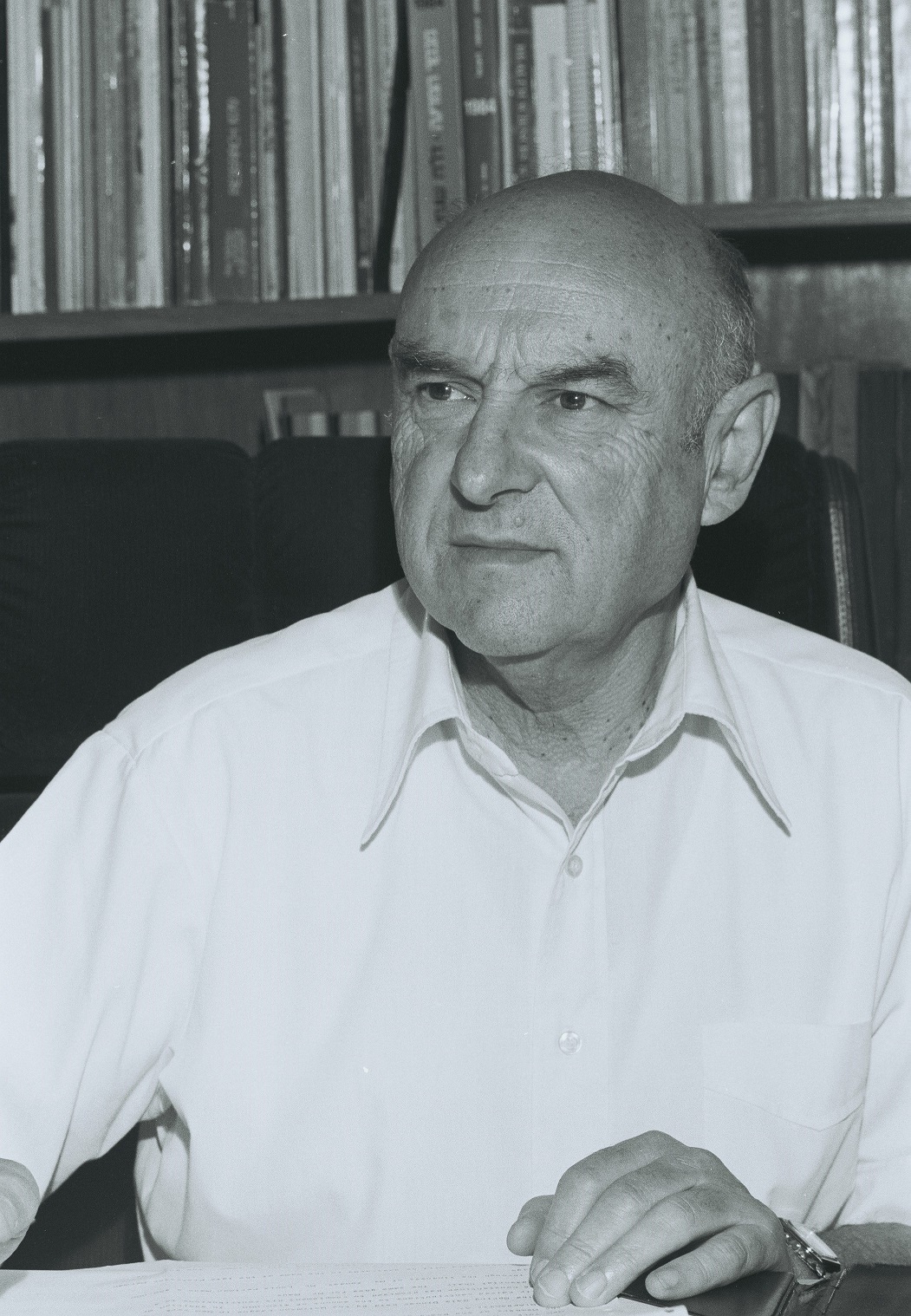
Aryeh Dvoretzky
1985-1988
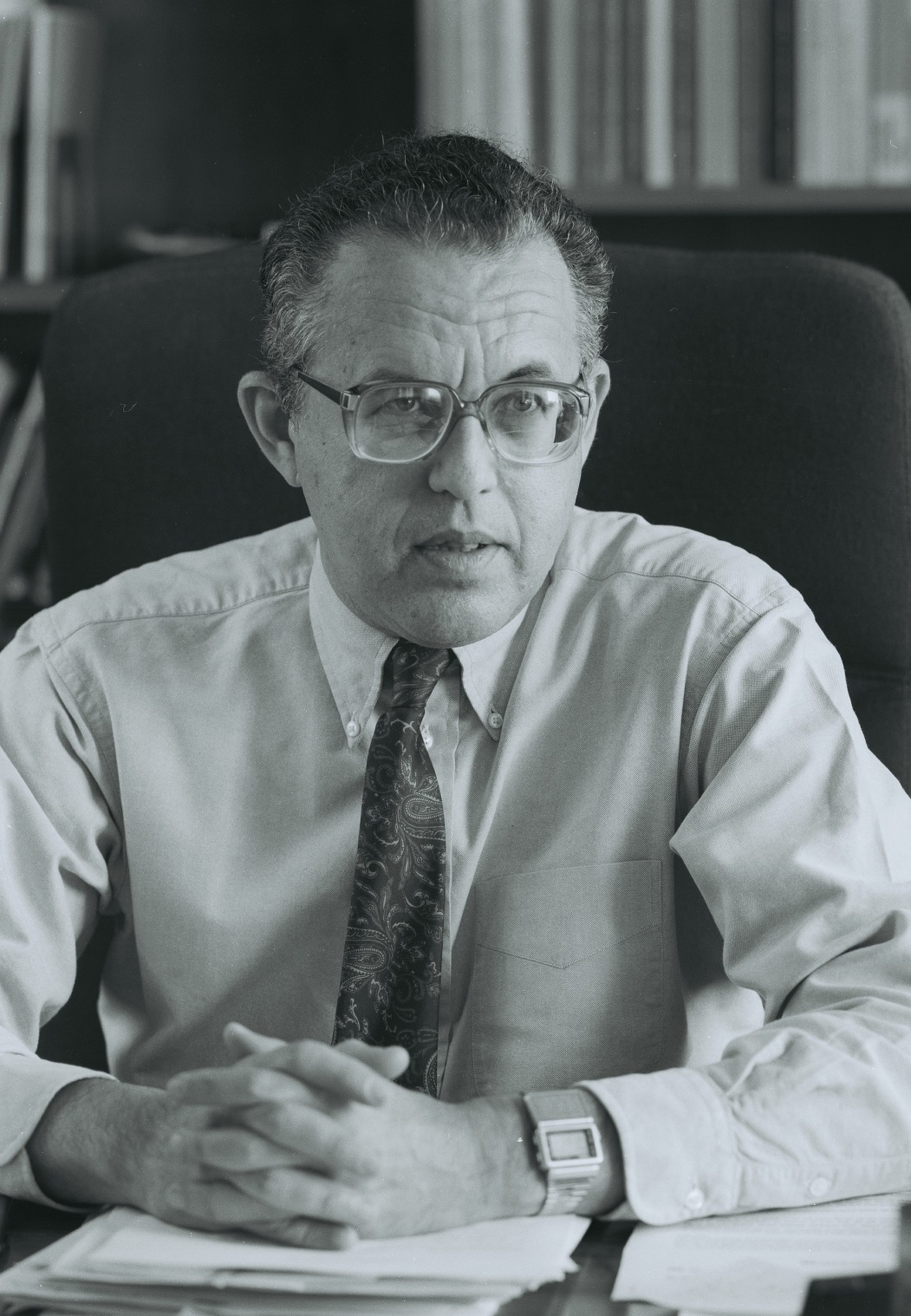
Haim Harari
1988-2001
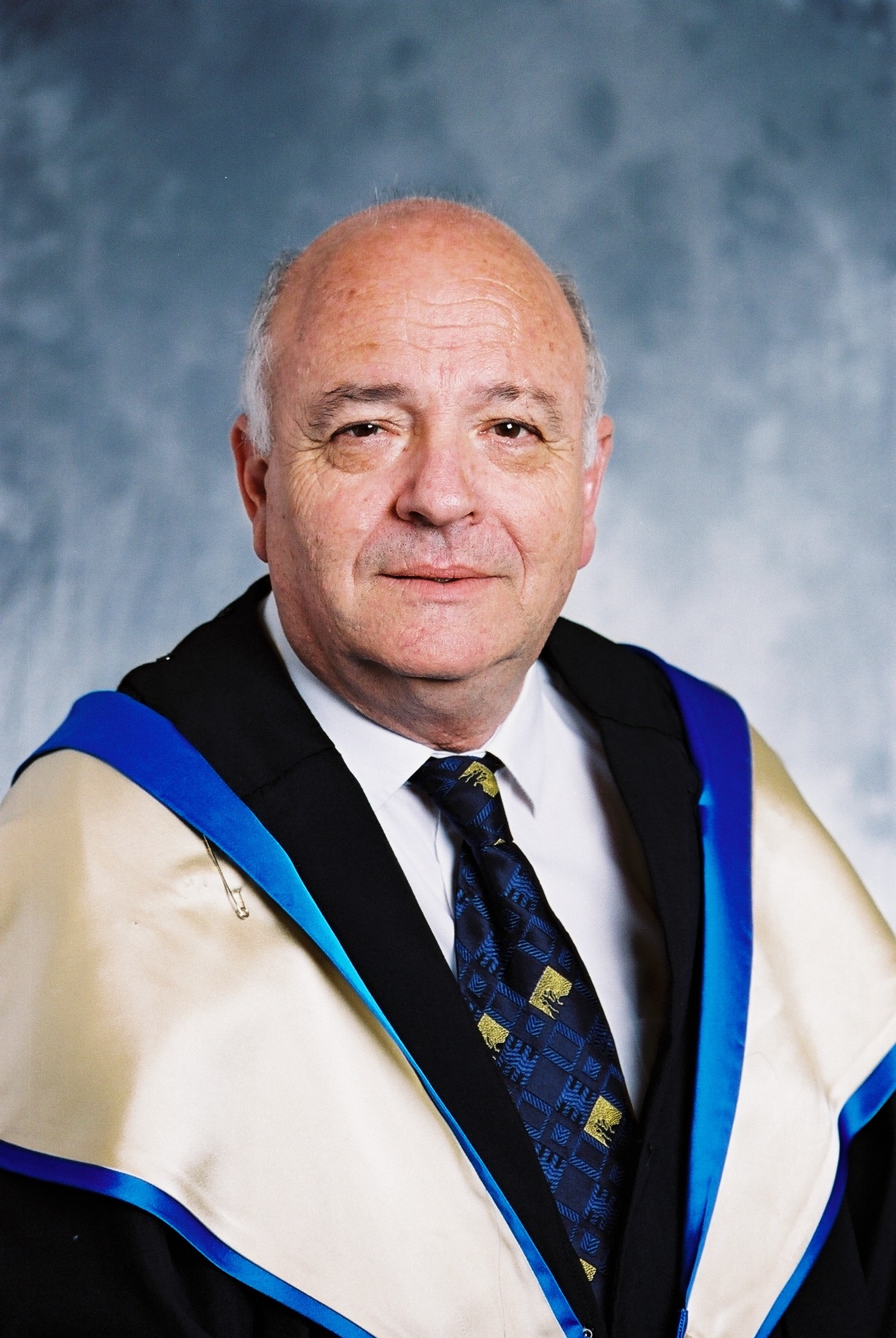
Ilan Chet
2001-2006
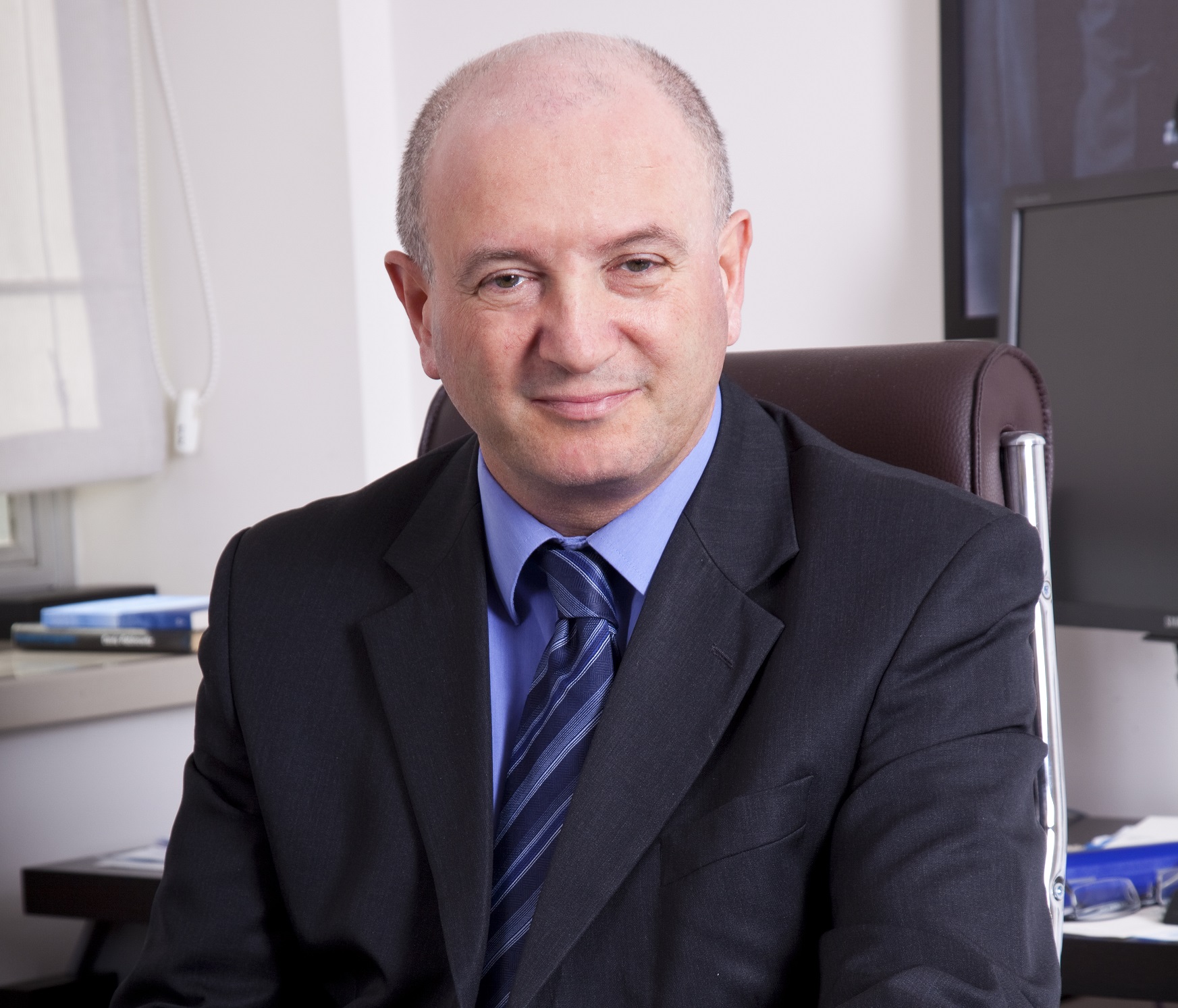
Daniel Zajfman
2006-2019
Chaim Weizmann
1934-1952
Abba Eban
1959-1966
Meyer Weisgal
1952–1959, 1966-1970
Albert Sabin
1970-1972
Israel Dostrovsky
1972-1975
Michael Sela
1975-1985
Aryeh Dvoretzky
1985-1988
Haim Harari
1988-2001
Ilan Chet
2001-2006
Daniel Zajfman
2006-2019
Throughout the decades, Weizmann Institute presidents have carried with them the legacy of pursuing scientific excellence as an end in itself and also as a source of prosperity for society. Eleven leaders have served at the helm to date, stewarding the Institute and its scientists to new heights of excellence.
NOTABLE ACHIEVEMENTS
The first computer in the Middle East
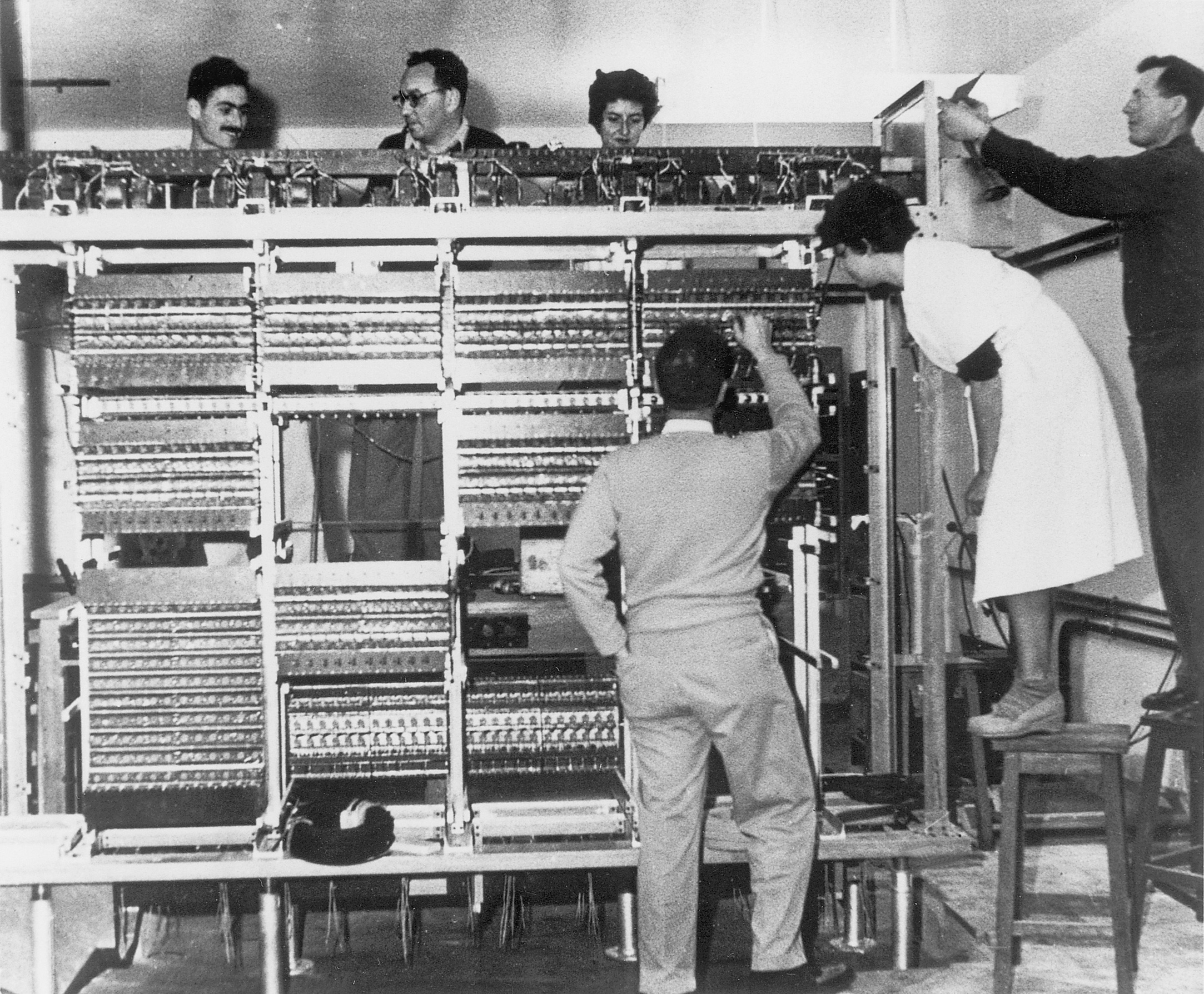
WEIZAC
American physicist and mathematician Prof. Chaim Pekeris joined the Weizmann Institute from the Institute of Advanced Studies at Princeton University in 1950. At Princeton, he had worked with the renowned mathematician Prof. John von Neumann, who had devised the architecture for the first generation of computers.
Prof. Pekeris saw his appointment at Weizmann as an opportunity to build a computer of his own, using von Neumann’s blueprints. Building the Weizmann Automatic Computer, or WEIZAC, was no small undertaking. Skeptics claimed that such a machine was far too sophisticated for the needs of what was still a technologically underdeveloped country. But he pressed on, and WEIZAC became an early example of the Institute’s willingness to plan large-scale, forward-looking projects and to invest in the most advanced and costly equipment for its researchers to work with.
Pekeris and Ephraim Frei, a Princeton colleague who came to Rehovot in 1952, persuaded Gerald and Thelma Estrin, two Princeton graduates, to move to Israel to help build the machine. The Estrins had to find imported materials that were in short supply and were forced to rely on a high degree of improvisation—some copper parts were fabricated by a local bicycle supply workshop—and they searched and eventually found people to write the programs.
The first computer in the Middle East, WEIZAC performed its first calculation in 1955 and was in full operation by 1958. Pekeris used it to make calculations predicting ocean tidal movements, among other things, and made computing time available to scientists throughout the country.
The Golem
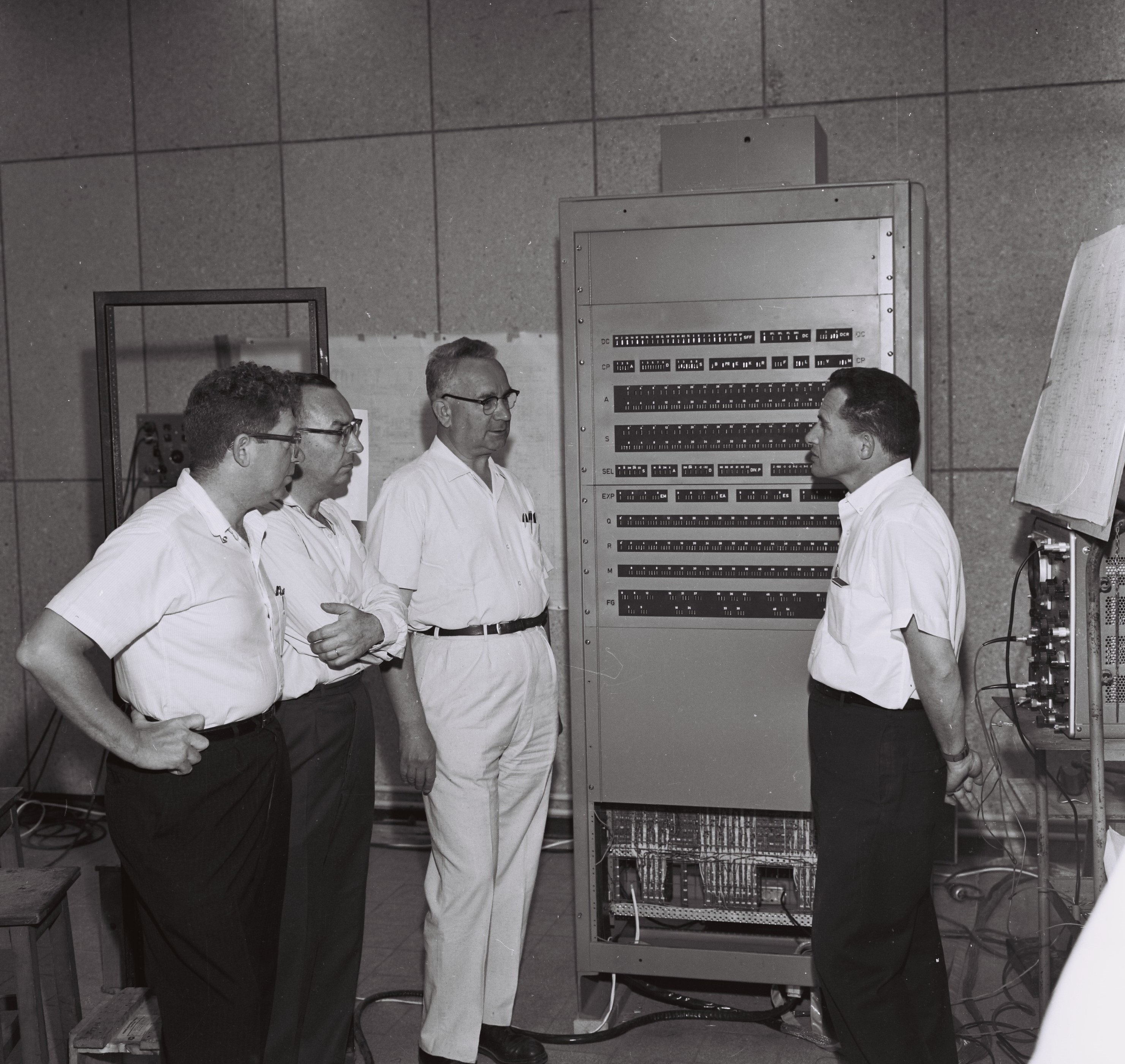
By 1962, work started on building a faster, more reliable, and much smaller machine to replace WEIZAC. Where WEIZAC had shown off its room-size array of cables and circuits knitted together with the elaboration of a Renaissance tapestry, its successor shrank everything into a box the size of a domestic fridge-freezer, colored in a then-fashionable shade of mustard yellow.
At the suggestion of Gershom Scholem, the Hebrew University’s first professor of Jewish mysticism, it was known as the Golem. Scholem was referring to the legendary Golem, a clay figure in human form supposed created by Jehuda Loew ben Bezalel, the 16th century Rabbi of Prague, as a protector for the Jewish people of the city.
Prof. Amir Pnueli, who used WEIZAC for his PhD, went on to win the Turing Award for his achievements in the nascent field of computer science. The Weizmann Institute’s graduate degree in computer science was one of the first in Israel, and the first e-mail ever sent in the country was from a Weizmann computer.