
For humans to function and thrive, we need to bite and chew, to stand and walk upright, and to protect our bodies and our brains. Animals and sea creatures like mollusks and starfish also need to eat, move, and defend themselves from predators and threats in nature. Teeth, bones, shells, skeletons, and exoskeletons provide scaffolding to many living organisms that is essential for survival.
It turns out that these mineral-containing materials are some of the hardest, strongest, and most durable materials in the world. The biological process that produces this “armor of life”—how organisms assimilate minerals into the architecture of their bodies—is called biomineralization.
Biomineralization is a centuries-old scientific field. Naturalists in the 17th-19th centuries such as the English polymath Robert Hooke—whose book Micrographia described his discovery of cells in cork—as well as naturalist and zoologist George Cuvier and Charles Darwin described shells, bones, teeth, and corals. With no sophisticated technology to explore the inner workings of these materials, the studies described what they could see with the eye and the limited microscopes of the time. In the early 20th century, thanks to advances in crystallography, chemistry, and microscopy, the transition to experimental science began, and scientists began asking how organisms control mineral formation. In the 1950s, biomineralization began to take off as a discipline, with the emergence of electron microscopy, x-ray diffraction, and the integration of biology, chemistry, and materials science—enabling scientists to begin to learn how organisms produced minerals and controlled their growth and shape.
But in the 1980s biomineralization research truly began to soar. The Weizmann Institute of Science became one of the epicenters of new knowledge in the field. And with each new insight came snowballing realization of the many implications and applications: from dentistry to solutions for bone injury and diseases like osteoporosis and atherosclerosis, to materials science to archaeology and paleontology, the study of Earth’s fossil record.
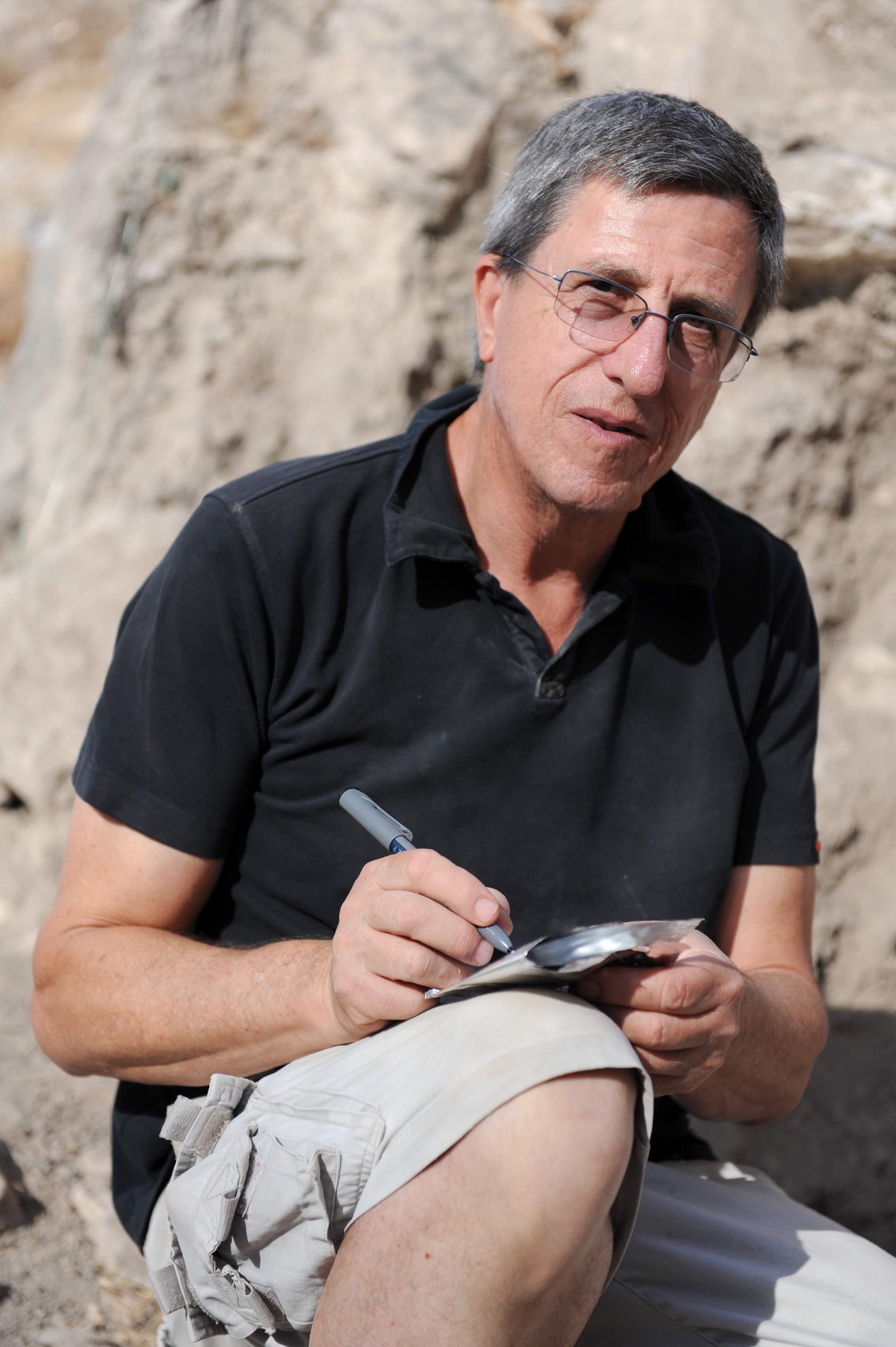
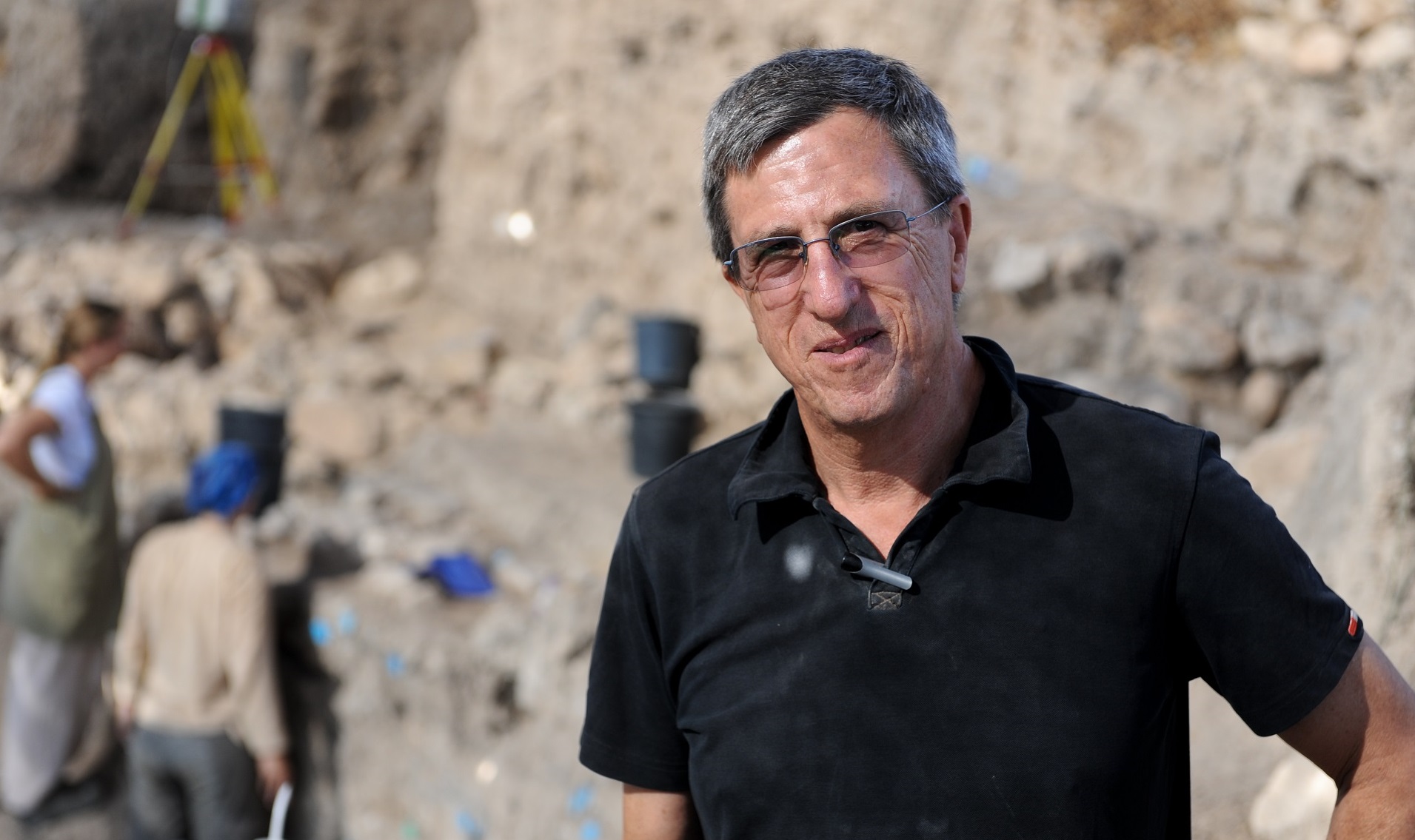
Now an emeritus professor in the Department of Chemical and Structural Biology, Prof. Stephen Weiner has been at the heart of this work, a pioneer of biomineralization who has elucidated how living organisms form minerals and use them to shape structure and function. Understanding the implications for the study of humanity’s historical record—and naturally inclined to work outdoors with his hands and head—Weiner paved the way for the new discipline of microarchaeology. This sub-field of traditional archaeology also involves bringing sophisticated microscopy and other analytical tools to excavation sites, so as to better reveal the unseen archaeological record. The approach has reshaped how many archaeologists do their work and ultimately define the historical record.
A gift of precious stones
Weiner’s journey into science began in his native South Africa, where he was born and raised in Pretoria. He was barely aware of science or scientists during his childhood. But an uncle who was an anthropologist in England traveled to visit the Kalahari Desert in Africa and stopped by to visit the Weiner family. He gave his young nephew a gift of precious stones from the desert, which “was probably an early turning point in my life towards science,” reflects Weiner, who recently handed down the stones to his youngest grandson as a bar mitzvah gift, hoping they may also inspire him.
Weiner’s school, Pretoria Boys High School, is known today for its most famous student, Elon Musk. The school didn’t challenge Weiner much, except in sports. He devoted his attention mainly to Habonim, the Zionist youth movement. There, “you would ask a lot of questions and be asked a lot of questions,” Weiner recalls. It was clear to him already by the age of 10 that he would eventually leave South Africa for Israel, also because of South African apartheid.
After Israel’s Six-Day War in 1967, he worked on a kibbutz as a volunteer for a short stint. Back in South Africa, he headed Habonim in Cape Town, overseeing activities for 1,200 Jewish youth while simultaneously pursuing his bachelor’s degree at the University of Cape Town. He majored in chemistry and geology, and a geochemist named Prof. Louis Ahrens (1918-1990) “opened my mind to the fact that there was this world of nature that could be explored and wasn’t well understood”. Oceanography was Weiner’s first love, but he got so seasick on a cruise in the Cape of Storms that he doubted he’d be able to pursue a career in marine science.
In 1969, following in his sister’s footsteps, he made aliya and did a master’s degree in geochemistry. Despite his ocean experience he was still drawn to marine science and joined the first cohort of students at the Oceanographic Institute in Eilat. One of a small cohort of six students, he benefitted from close interactions with professors, including Prof. Moshe Shilo (1920-1990), father of the Weizmann Institute’s Prof. Benny Shilo (1951-2025); zoologist Prof. Dov Por (1927-2014); and micropaleontologist Prof. Zeev Reiss (1917-1996).
When it came time to apply to PhD programs, Weiner sent off a flurry of applications to oceanography programs in the US, ignoring his tendency to seasickness. But when a renowned paleontologist from Caltech, Prof. Heinz Lowenstam (1912-1993), came to Hebrew University as a visiting scientist, Weiner was immediately drawn to his excitement around paleontology and geochemistry. At Caltech, Weiner became a student of Prof. Lowenstam and Prof. Lee Hood, a renowned molecular biologist and immunologist. The fusion of the knowledge he gained from both labs would set his career in motion.
Fusing biology and geology
It was an ideal moment to land in the Hood lab. The Caltech biologist was developing some of the earliest sequencing technologies for proteins—advances that eventually revolutionized biology and helped launch the genomics revolution, leading to the Human Genome Project and beyond. (Hood is receiving the Weizmann Institute’s Michael Sela Prize in Biomedical Research in May 2026).
A biochemistry course taught by Hood was Weiner’s first encounter with biology at the microscopic level of genes and proteins. “Until then, I didn’t know what an amino acid was,” he says. “I was absolutely overwhelmed by the beauty of this type of biology, which became known as molecular biology. At the end of the course, I went up to Hood and suggested reconstructing molecular evolution by identifying fossil proteins and sequencing them.” Hood liked the idea and invited him to spend the summer in his lab doing just that—work that evolved into Weiner’s PhD thesis.
Lowenstam played an even larger role in Weiner’s career and became a lifelong friend despite the age gap, in part because of a mutual love for Israel. A German Jew who attended the University of Munich in the 1930s, Lowenstam was prevented from mapping the fossil record in Germany because of his Jewishness, so he ventured off to Palestine to map fossils there for his PhD research. In 1935 and 1936, he lived among the northern Bedouin, learned Arabic, and developed a geological map of the northern Galilee, revealing unprecedented insights into the fossil record—the prehistory of a land of ancient human history.
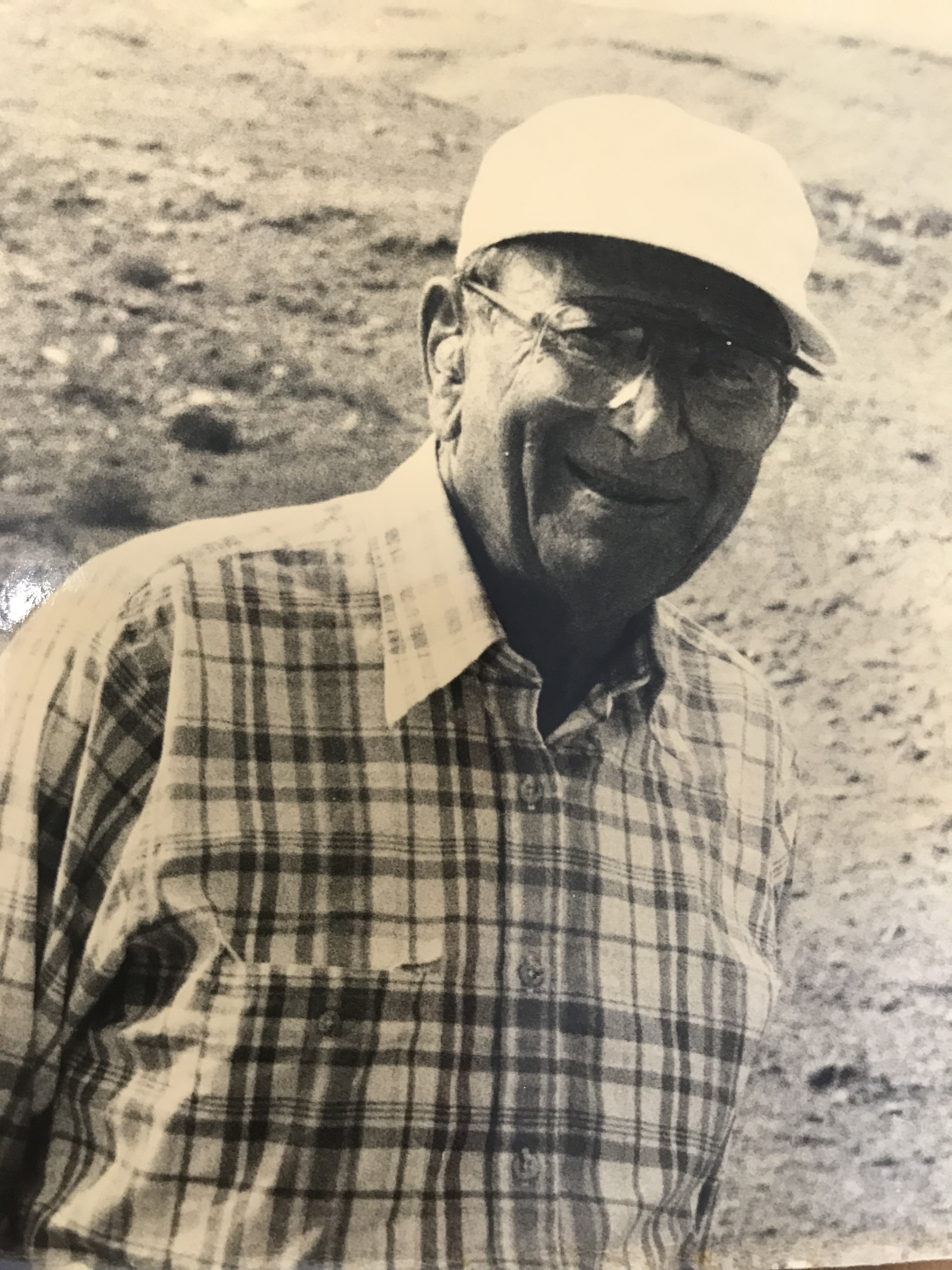
“Everyone thought he was a spy or looking for oil, but he was a very straightforward guy just curious about fossils. He developed a real affinity for Palestine,” Weiner says. Years later, Lowenstam would come to Israel as a visiting scientist in the Weiner lab with great frequency.
In 1937, back in Germany and armed with a substantive PhD thesis in the fossil record of Palestine, Lowenstam was prevented from receiving his doctorate, and by then most of his Jewish colleagues had already fled the country. Two advisors, at their own peril, wrote him a joint letter certifying the high quality of his scholarship—and encouraged him to leave immediately for America.
He landed at the University of Chicago. At the time, the school was the world leader in geology research, and it granted him a PhD (after he painstakingly translated it into English) and eventually, too, a tenured position. In a form of poetic justice, as WWII was raging, Lowenstam helped the US Navy understand why the Germans were suddenly restoring their coking ovens for coal—to extract high-octane fuel for aircraft—leading the US Air Force to bomb the coking plants. In the 1950s, Caltech’s geology department hired away many of Chicago’s talent, including Lowenstam.
In the 1970s, with Hood and Lowenstam as his PhD advisors, Weiner focused his attention on extracting and characterizing proteins found in the shells of mollusks—invertebrates like clams and snails that have soft bodies encased in hard shells. The shells were the product of a process called biomineralization—how organisms produce minerals for the purpose of hardening or stiffening tissues.
Materials made by living organisms
Weiner returned to Israel in 1977 for a postdoc position at the Weizmann Institute. But upon arrival, he couldn’t find a lab that would take him in; biomineralization didn’t neatly fit into any faculty. While the immunologists recognized the value of his training under Hood, “I went around the Institute sort of hat in hand for a couple of days talking to biologists, and none of them were interested in even entertaining the idea that I would join their department,” he recalls. “I was desperate.”
Eventually, Prof. Joel Gat (1926-2012), an earth scientist in what was then the Department of Isotope Research, took Weiner under his wing. “Even though Joel had no idea what I was doing, his attitude was that if you are a good scientist, you should find a place at the Institute. He said to me, ‘I think you’re good, or I’ve been told you’re good, and Caltech isn’t bad. Come join my chemistry group.”
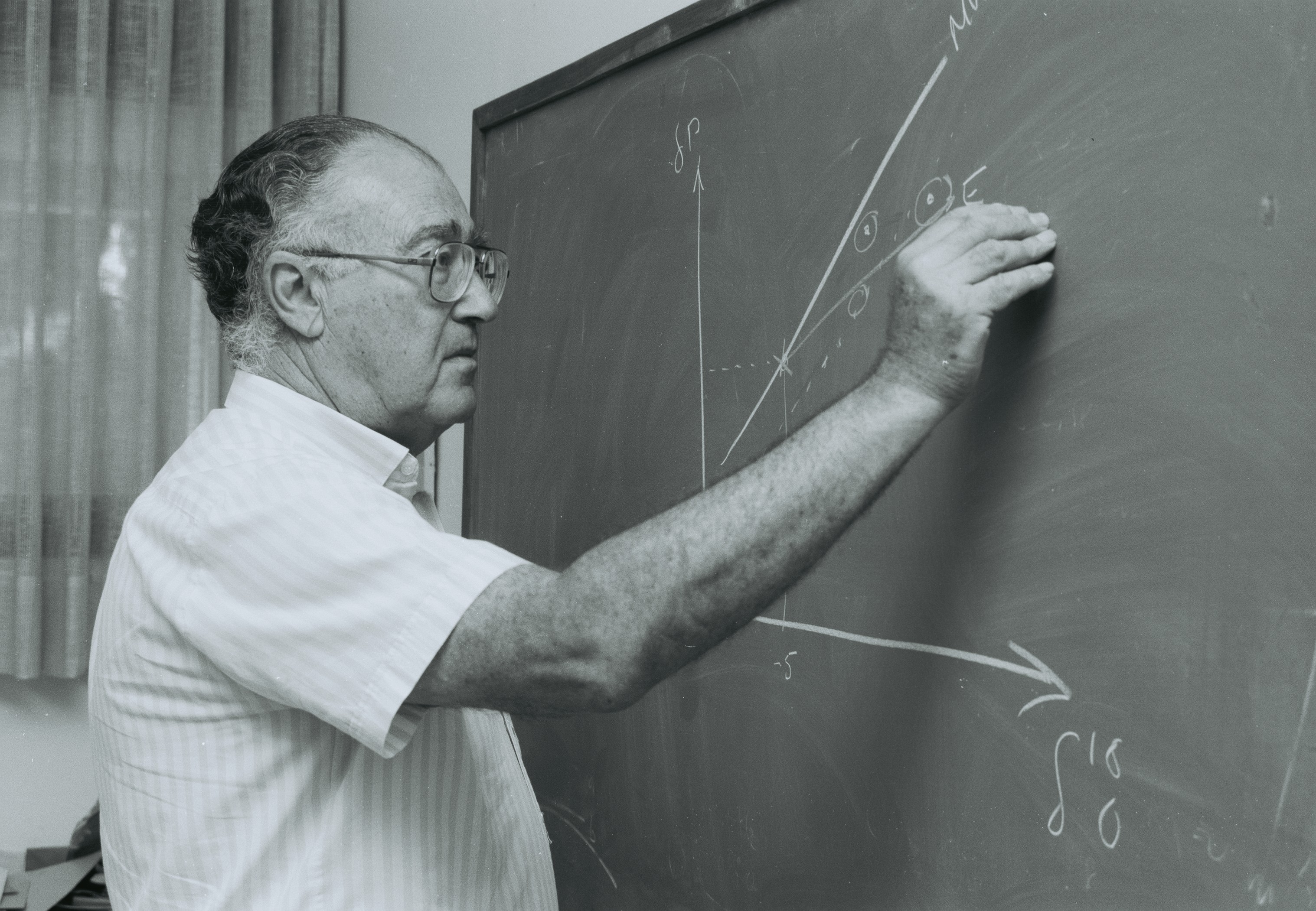
When Weiner set up his own research group in the early 1980s, it was Israel’s first lab focused on biomineralization. He received tenure in 1985. “I said to myself: You now have a license to play. This is play because I enjoy it so much. I don’t call this work,” he says.
As a postdoc and young principal investigator, Weiner’s initial focus was on a class of unusually acidic proteins he had discovered at Caltech. Prevalent in almost every mineralized tissue, these proteins are rich in an amino acid called aspartic acid and have proved to be the key components in controlling crystal formation. He teamed up with Prof. Wolfie Traub, also from South Africa, to further investigate these proteins in what became a years-long collaboration using x-ray crystallography to characterize mollusk shell proteins. (Traub had been Prof. Ada Yonath’s PhD advisor for her thesis on collagen structure; she went on to win the Nobel Prize in Chemistry in 2009 for mapping the ribosome.)
“I learned something very valuable from this collaboration with Wolfie—the incredible added value of working with a colleague, and not only postdocs and students,” he says. “First of all, it’s ongoing. Second, we’re contributing equally. Third, our time is not being spent on the slow steps involved in educating, but simply on doing. If we failed, we failed together. When we succeeded, we succeeded together.”
The two went on to reveal new knowledge about mineralized collagen fibers—the building blocks of bone. Traub was an expert on collagen, the bone’s major protein. Using an electron microscope, they discovered how the crystals are organized in the collagen matrix. It was a structure wholly different than what had been understood until then.
“You can't define the structure of a wall if you don't know the shape of a brick, and making better bricks requires understanding what they are made of to begin with and how they are made,” he says. This observation became the basis for better understanding bone structure.
Advanced technology was enabling these types of discoveries, thanks to increasingly strong microscopes—and curious scientists, of course. And sometimes, a bit of serendipity. Years later, Weiner’s son, Allon Weiner, was doing his PhD in the lab of Prof. Michael Elbaum. Allon and Michael heard a lecture by a National Institutes of Health scientist about a new method for producing a 3D structure of biological matter based on electron microscopy. Allon mentioned it to a student of his father’s, Natalie Reznikov. Natalie used this method for producing 3D reconstructions of bone—leading to a stellar PhD thesis. Today, she is a professor of bioengineering at McGill University.
The partnership with Traub became his “guiding light” for doing research throughout his career, most notably in his decades-long research partnership with Prof. Lia Addadi, still ongoing today.
“Together with Steve, I learned—like in The Little Prince by Saint Exupery where something that appears to be a hat is actually a snake that ate an elephant—that things are not always what they appear to be,” says Addadi. “We explore structures in biomineralization with our eyes wide open to catch the unexpected. In our research, nothing is accepted at face value, and there is always a deeper layer to be discovered.”
More minerals and milestones
A turning point for the field came in 1989, with the publication of On Biomineralization, co-authored by Weiner and Lowenstam, which became the primary textbook in the field. Until then, biomineralization had mostly focused on calcification, and it was dominated by medical professionals interested in the study of human bones and teeth, which contain calcium. Above and beyond the well-known 15 calcium-based minerals, Lowenstam and others eventually found about 60 additional materials made from a variety of ions, not only calcium. Hence the change of name to biomineralization rather than calcification.
Today, 15 labs across Israeli academia are focused on the field, including Addadi’s and Weiner’s, as well as the labs of Dr. Assaf Gal and Dr. Dvir Gur at Weizmann (Depts. of Plant and Environmental Sciences, and Molecular Genetics, respectively). Israel has the highest concentration of academic labs in the field of biomineralization in the world.
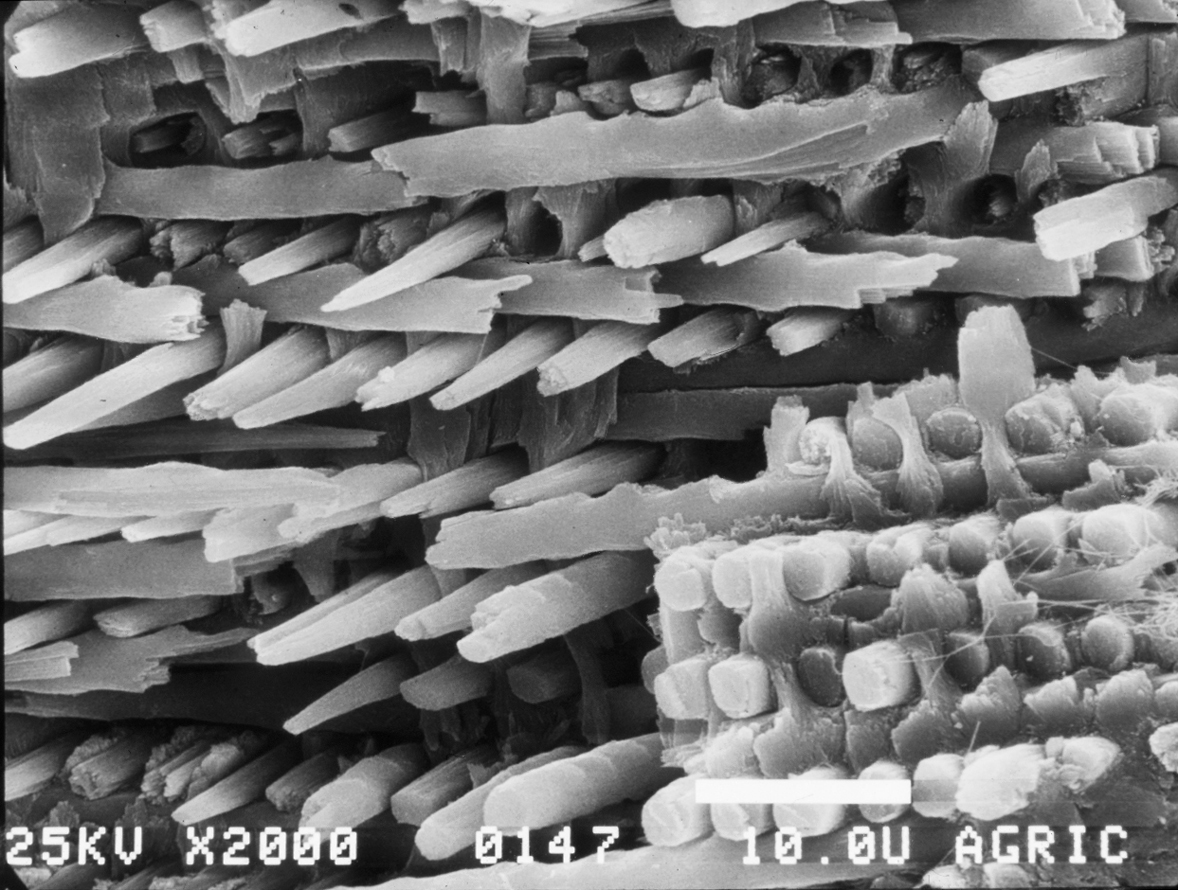
“Biomineralization has become an extremely big field,” he says. “It is also now very important because this process extracts a lot of CO₂ from the atmosphere, which is relevant to global warming and the climate crisis. You can also reconstruct past climates through what’s recorded in shells. If you want to do that, you need to understand how shells are made, how they take up calcium carbonate and deposit it in tissue, and what happens to shells when the animals die. Do they re-dissolve or do they get buried and remove the CO₂ they extracted from the atmosphere? It is also important in medicine because of pathological problems with bones and teeth.” The field also appeals to materials scientists. Indeed, many biologically inspired materials (a field formerly called biomimicry) are rooted in biomineralization. Think of racing swimsuits based on the principle of shark skin; bone grafts and tooth implants; and impact-resistant armor.
Weiner himself increasingly focused on how bones and teeth are formed. This deeper understanding of the composition of bone has implications for bone diseases, bone injury and repair, kidney stones and gallstones, and a host of genetic and developmental diseases related to the skeletal system.
A key discovery
In the 1960’s Lowenstam obtained key insights into biomineralization based on the teeth of chitons, marine mollusks that live mostly on rocky seashores.
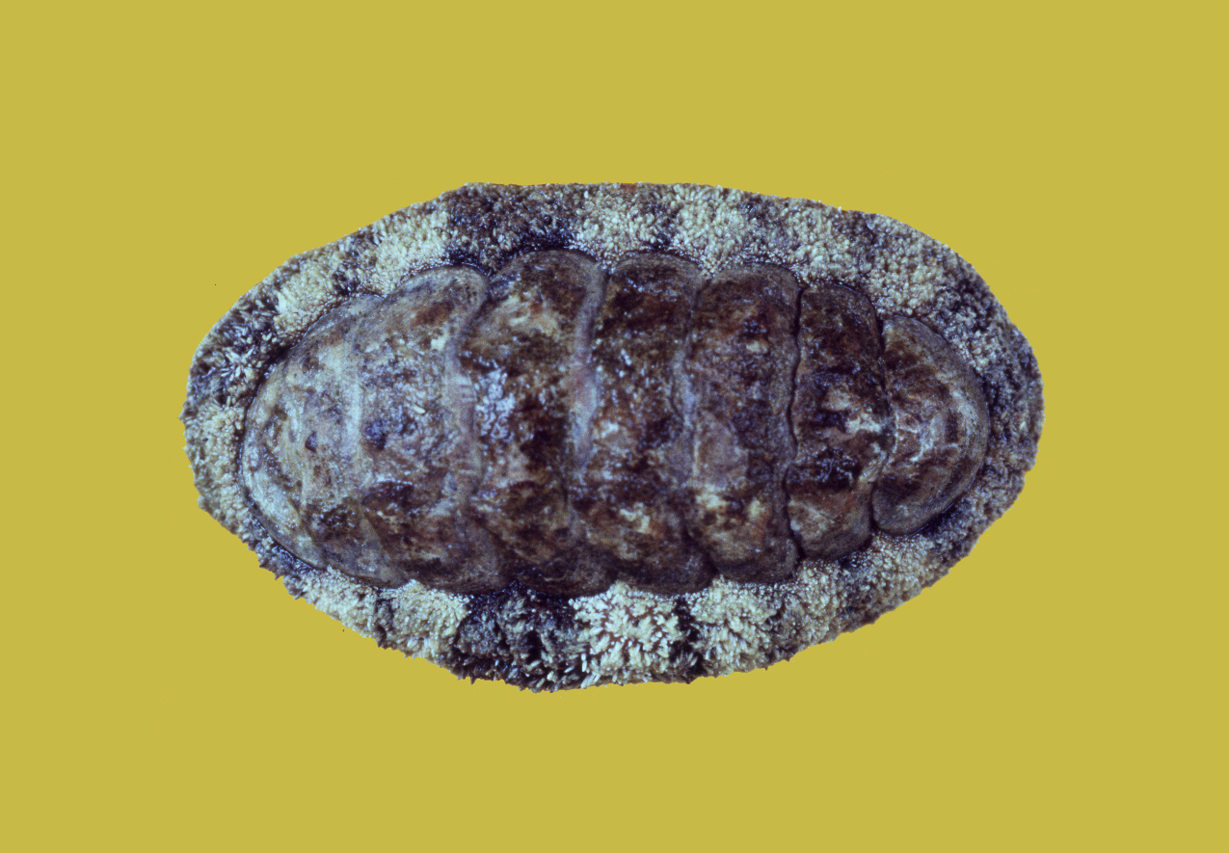
The Caltech scientist identified the transformation of the outer layer of chiton teeth from a highly disordered material to one that crystallized and became very hard over time. In the 1980’s, Weiner and Lowenstam homed in on the inner tooth layer and Weiner used his knowledge of infrared spectroscopy to study the transformation of a disordered precursor into an ordered mineral called carbonate apatite—the same mineral found in vertebrate bones and teeth.
These studies made little impact because chitons were initially thought to be unimportant. This changed when a partnership began between Addadi, Weiner, and Elia Beniash, a student who had just arrived from the former Soviet Union (and who later went on to become a professor of dental medicine at the University of Pittsburgh). Together, they found that the same phenomenon of what the team called “disordered precursor minerals” took place in the sea urchin which makes its skeleton out of calcite, a form of calcium carbonate. Calcite is one of the most abundant minerals in biomineralization, and this discovery drew much attention.
They published the findings in 1997 and many other related papers followed, as this observation effectively changed the paradigm in biomineralization to this day by showing minerals in biology formed initially in a disordered state and then transformed into an ordered state. The implications for dentistry and bone repair are obvious. “We now know that bone is formed like that. Teeth are formed like that. In fact, you’d have to work very hard to find an exception to the rule,” says Weiner. “It’s an example of how something was found a long time ago, but only years later was it explored and truly understood.”
Although his lab is limited in scope after becoming emeritus, Weiner is currently working with a veterinary scientist, Prof. Joshua Milgram at the Robert Smith Faculty of Agriculture, Food, and Environment at Hebrew University of Jerusalem in Rehovot—across the street from the Weizmann Institute—on the bones of toy dogs, which are fragile and often fracture spontaneously. The two are also exploring the evolution of bone, from the first appearance of skeletons in fish, which support an organism in the relatively weightless environment of water. They also identified changes in bone structure from the first steps that vertebrates took on land.
Digging into history: the making of microarchaeology
“I’m a puzzle-solver by nature. I do jigsaw puzzles, especially now to get my mind off the news,” says Weiner. In the mid-80s, he realized that he missed the fieldwork he had enjoyed during his geology education, “and the combination of solving puzzles and being outside and working with my mind and also physically was really fun for me.”
Around that time, Israeli archaeologist Prof. Ofer Bar-Yosef (1937-2020), who was leaving Hebrew University at that time for Harvard University, spent a sabbatical working at Weizmann. Bar-Yosef invited Weiner to work at his excavation in the Kebara Cave on Mount Carmel. Weiner collected samples and brought them back to his lab. He soon realized that his hypotheses were incorrect. He needed to bring some analytical instruments to the site, so that he could obtain information as the excavation proceeded. So Weiner brought an infrared spectrometer and a petrographic microscope to the field. Working in close collaboration with members of the excavation team who typically rely on macroscopic finds visible to the eye, they could now also investigate that part of the archaeological record that is not seen by the naked eye. This approach was later referred to by Weiner as microarchaeology in his book Microarchaeology: Beyond the Visible Archaeological Record, published in 2010. The term is now being used more widely.
“Perhaps one of the most basic questions that we now ask is whether this deposit is in situ, the way it was deposited when the people were living there, either in a cave or on a on a tel (archaeological mound) or wherever. Or has this deposit been moved and dumped somewhere else?” Weiner explains. “That’s context. If it’s a primary context, like a charred seed in the fireplace in which it was charred, which you can ascertain from the ash, it’s like striking gold because you can study what the activity was. If it’s a secondary context it’s just confusion. We can use our analytical tools effectively to discriminate between primary and secondary contexts that are difficult to see with the eye.”
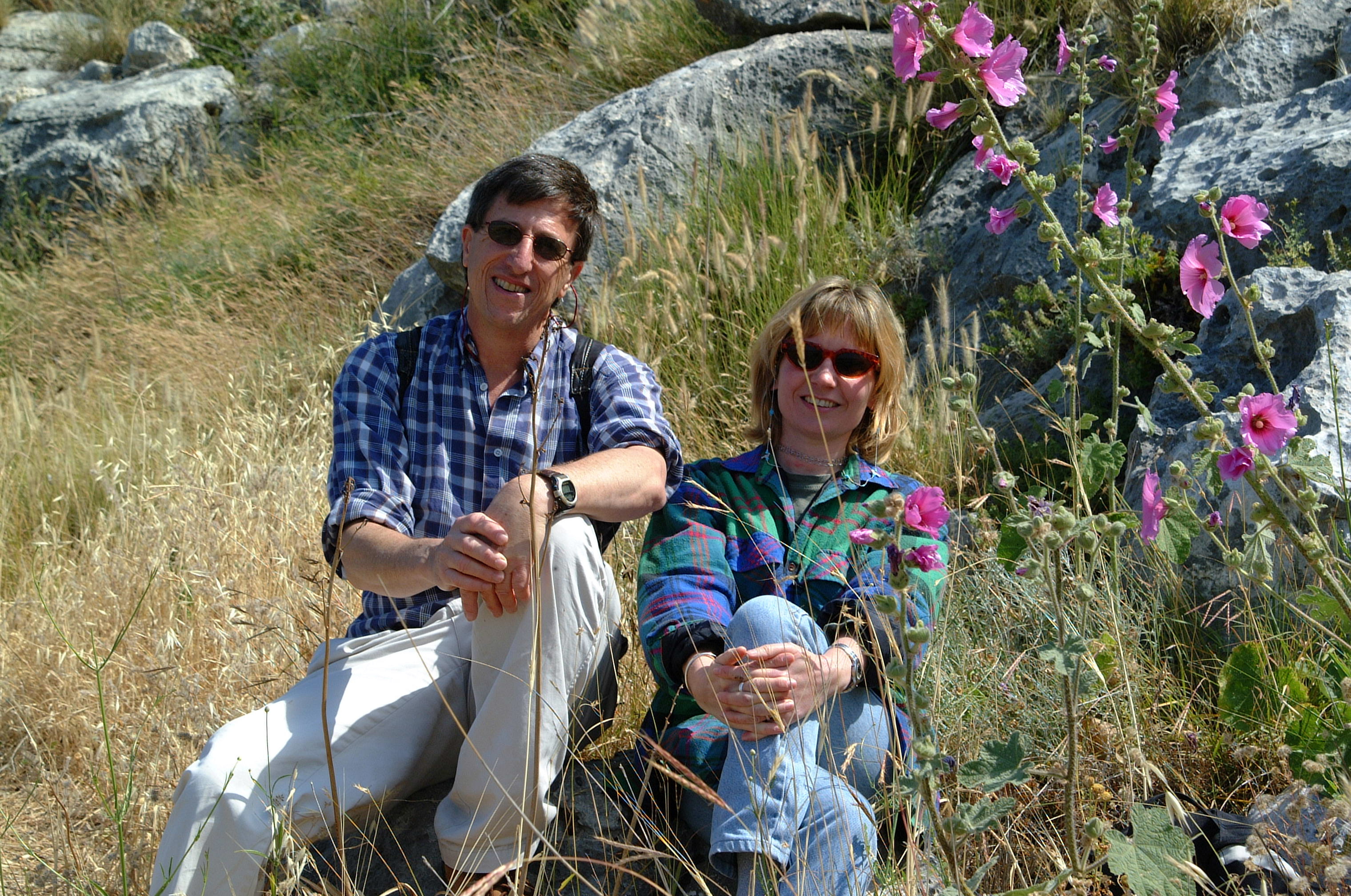
At Weizmann, that work was advanced with the establishment of the Kimmel Center for Archaeological Science in 1997—first under Weiner’s leadership and now headed by Prof. Elisabetta Boaretto. Several academic hubs of microarchaeology in the world today were established by former Weizmann students. Boaretto has gone on to redefine time boundaries of ages in history by doing radiocarbon dating on samples, like charred materials, from their primary contexts. And the primary contexts are defined by studying the microarchaeology.
The Weiner lab has published about 20 methods and applications for infrared spectrometry in archaeology and held field schools for students from all over the world. Superseding any single discovery in the field, Weiner’s key achievement in this area was defining a new way to work interactively at the excavation, using advanced chemical analyses to define primary contexts of samples, which, he says “requires a totally different mindset and toolkit,” he says, than traditional archaeological science.
“Working with Steve in archaeology has deepened my understanding of the chemical and structural changes materials go through when they are buried in the ground,” says Boaretto. “This is incredibly important information for radiocarbon dating of materials that are directly related to past human activities.”
She adds, “Microarchaeology has provided a fundamental improvement in our understanding of how the material for dating is related to the event we want to date. Even a single seed can be important if found in the original location in which it was burned. Only microarchaeology can reveal the secrets of that seed and thus all sorts of information about the activity and behavior of people at that point in time. Using microarchaeology approaches, we have made many discoveries, such as the effect of temperature on bones, the earliest hydraulic plaster, and defining chronologies at locations where nobody else was able to figure out the ages of the sequence of layers.”