
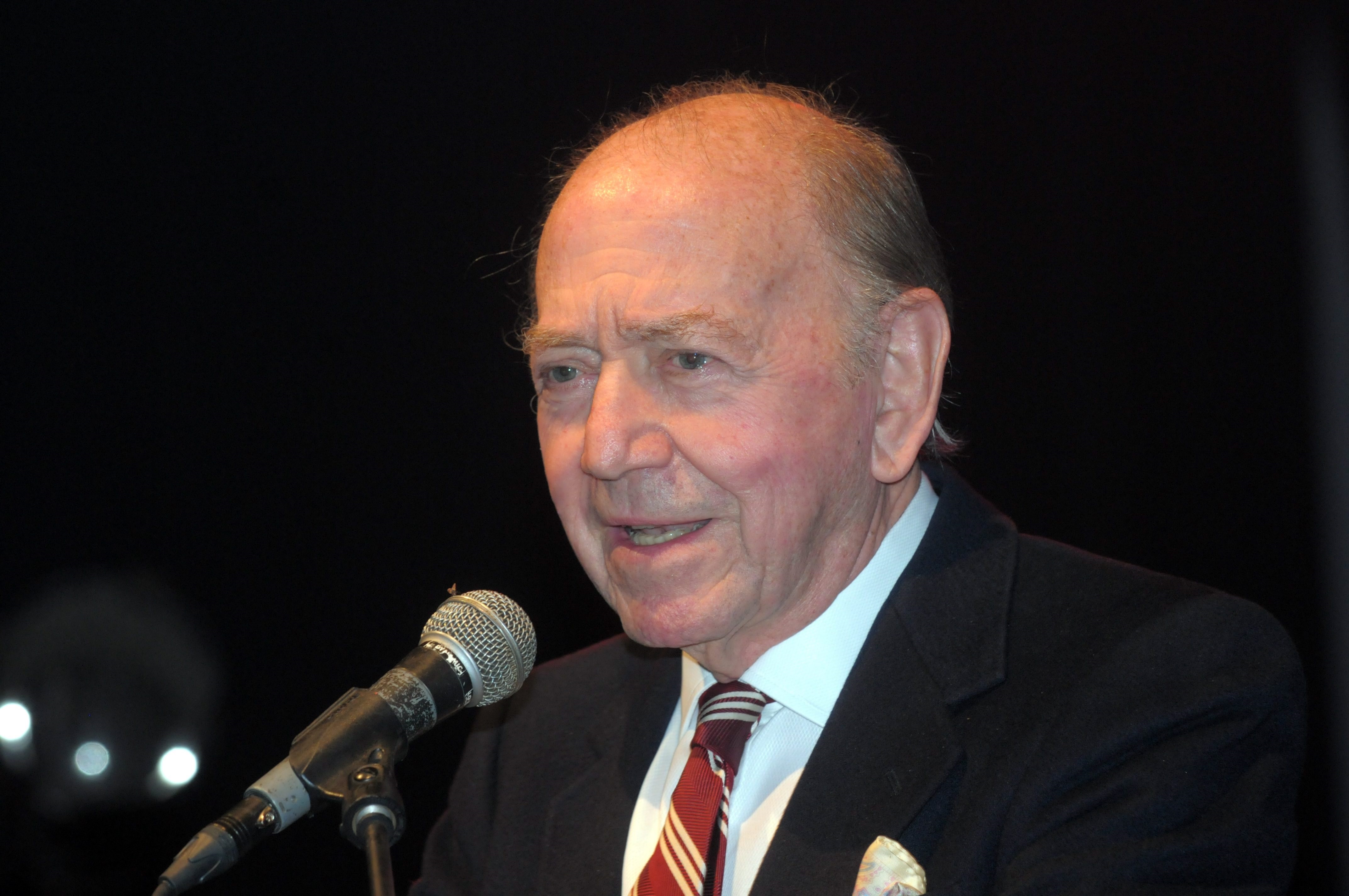
Mandy Moross, a pillar of the Weizman Institute global community, passed away on January 26 at age 94. Over the course of four decades serving as a member of the International Board and as its chairman, Moross developed close relationships with Institute leadership and helped reshape corporate governance and finance, making critical decisions that would secure the long-term health of the institution and deepen the breadth and depth of its research. His lasting impact is also felt through his philanthropy, with his wife Edna, which was directed to labs, professorial chairs, and preserving the Chaim Weizmann legacy, and which enabled the Institute to embark on ambitious projects including a flagship center for cancer research.
Moross was driven by a deep love for Israel and the Jewish people and he considered the Weizmann Institute the epitome of Israel’s achievements. His connection with the Institute spanned seven decades, starting with his first visit to campus in 1956.

“It is impossible to overstate Mandy’s contribution to the Weizmann Institute throughout the years. His guidance in financial and governance matters made us a better institution and helped us to do better research and have more impact. His and Edna’s and the Moross family’s leadership and generous philanthropy and friendship are unsurpassed,” says Prof. Alon Chen, Weizmann Institute President. “It is hard to imagine the Weizmann Institute without Mandy. He will be deeply missed.”
Moross was elected as a member of the Board of Governors in 1982, during the presidential term of the late Institute Professor Michael Sela. Together with Institute Professor Haim Harari, who served as President from 1988 to 2001, Moross encouraged the creation of a central endowment fund similar to that of major U.S. universities, thus moving away from a model in which relatively small funds had been invested in multiple places. That effort came to fruition in the form of the Weizmann Global Endowment Management (W-GEM) in 2002, which is managed in New York. The endowment has transformed the Institute’s ability to provide for the diverse needs of the Institute via a robust and reliable annual infusion of funds.
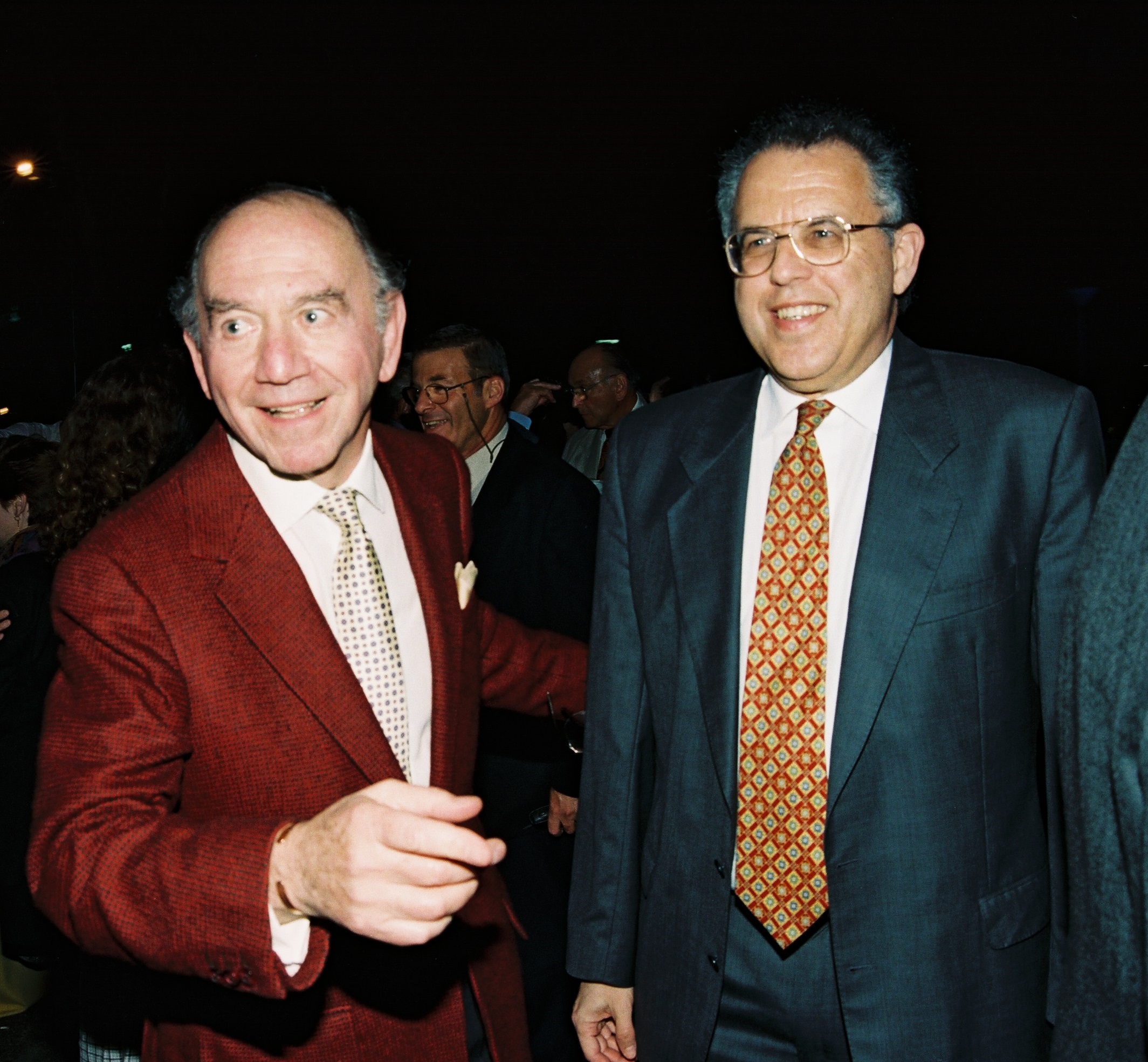
“Mandy’s business acumen guided us for many years and the creation of W-GEM was one of his major contributions,” says Prof. Harari. “His input on important matters was an extraordinary manifestation of how a fruitful collaboration between generous and experienced business leaders and the scientists managing the Institute can advance a scientific research institution. He knew what he wanted and how to achieve it, but always did so without fanfare, with a minimum of conflicts, and with impeccable loyalty to the goals of the Institute.”
In a 2010 interview with the Institute, Moross said about their friendship: “These are the things that motivate one… [Like when] you find the right teacher in school, you’d be inspired to study what he teaches.”
Moross served as Chairman of the International Board (formerly the Board of Governors) from 2005-2014, during the presidency of Institute Professor Daniel Zajfman. During those years, he made key structural changes to Institute governance, including the creation of an Executive Board. After stepping down from that role, Moross became Chair of the Assets Committee, which oversees all assets and endowments. Throughout the years, he served in multiple leadership positions in W-GEM, including as Chair of the Trust.
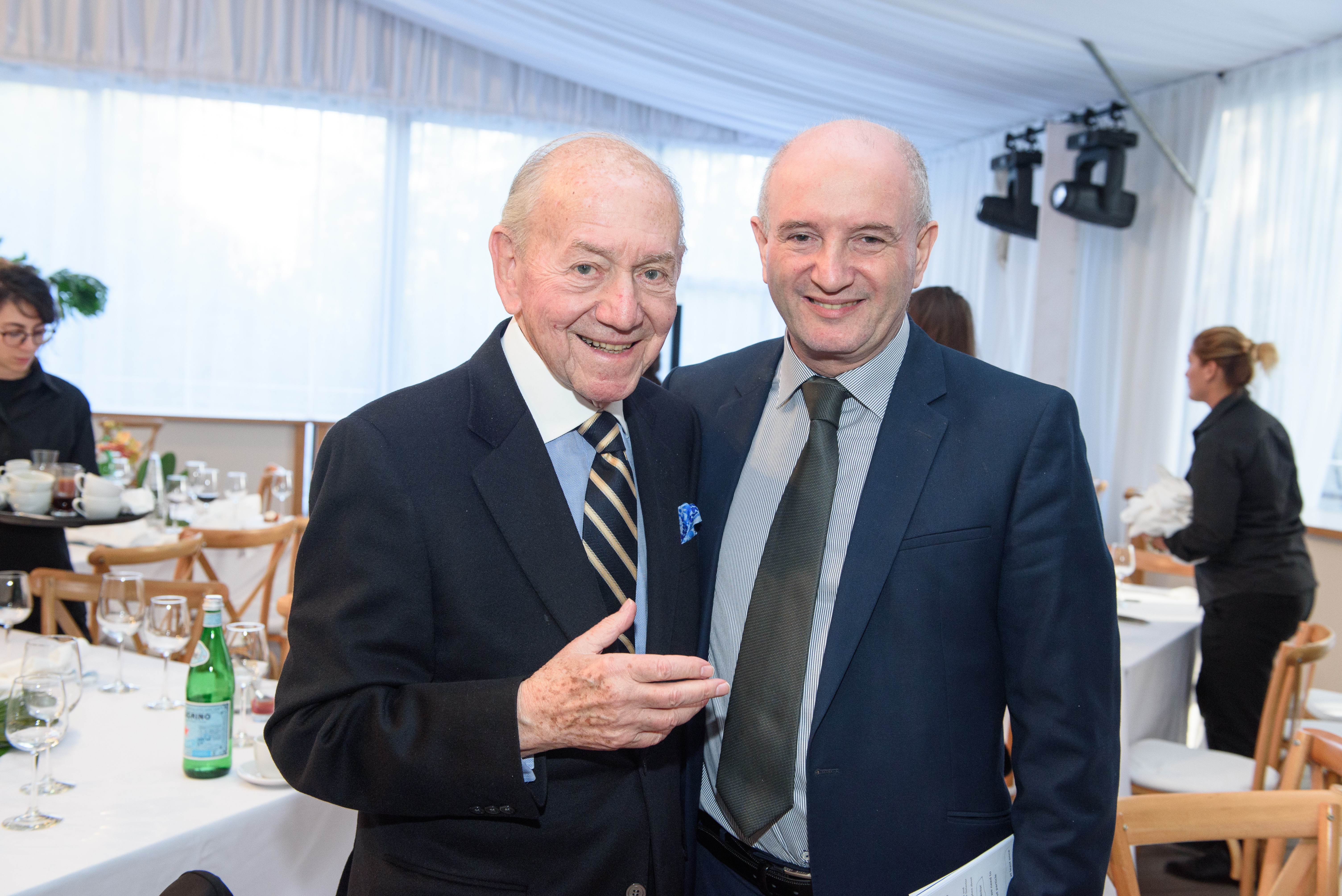
“Mandy possessed a profound understanding of how the Institute truly functioned,” says Prof. Zajfman. “To him, the Weizmann Institute of Science was the jewel in the crown of the State of Israel. He was unwavering in his conviction that whatever the Institute undertook must be of the highest, indeed, first-class standard; anything less, in his view, was simply not worth doing. His influence, values, and devotion will continue to shape the Institute for decades to come.”
A natural love of science
Mandy Moross was born in Johannesburg, South Africa. His grandparents had come from Lithuania, the family origin of many South African Jews. His father was a physician, and Mandy studied chemistry, zoology, and mathematics as an undergraduate at Witwatersrand University. He enrolled in Harvard Business School at age 19 and graduated with distinction in 1953. After receiving his MBA, he moved to England where he worked as a chemist for Imperial Chemical Industries.
He met Edna and they married and moved to South Africa, where he joined Anglovaal Group, one of the country’s largest diversified mining and industrial corporations. In 1961, he became CEO of the I.W. Schlesinger companies and helped build it into South Africa’s second-largest conglomerate, eventually selling it to the Anglo-American Corp. He subsequently joined the board of its controlling shareholder, Rand Selection Trust. Eschewing apartheid, he and Edna and their four children moved their home and business interests to the UK and the US, where Mandy continued to build and lead a series of companies in sectors spanning financial services, energy, maritime, real estate, leisure, and consumer goods.
At Harvard, Moross had met a South African scientist named Prof. Peter Hillman who was a member of the Department of Nuclear Physics at the Weizmann Institute. They became fast friends. When Moross came to Israel for the first time, in 1956 just after the Sinai crisis, Hillman was his guide.
Moross recalled meeting Prof. Amos De Shalit, the renowned physicist and pioneer of science education, who made a profound impression on him. De Shalit “was magic—an inspirer,” he said. “The Institute was quite small. But I was impressed with the brain power that was here and [intrigued] by why people like Hillman and other foreigners came here.”
In 1963, Moross traveled to Israel and met Bemjamin Gibli, Director of Military Intelligence in the IDF at the time, and Gibli introduced Moross to Moshe Dayan, then IDF Chief of Staff. Those became long-lasting friendships. A decade later, his friend Marcus Sieff encouraged Moross to become more involved in the Institute. Sieff was the youngest son of Israel and Rebecca Sieff, owners of the famed Marks & Spencer store in the UK and whose gift in memory of their son Daniel established the Daniel Sieff Institute in 1934, the precursor to the Weizmann Institute.
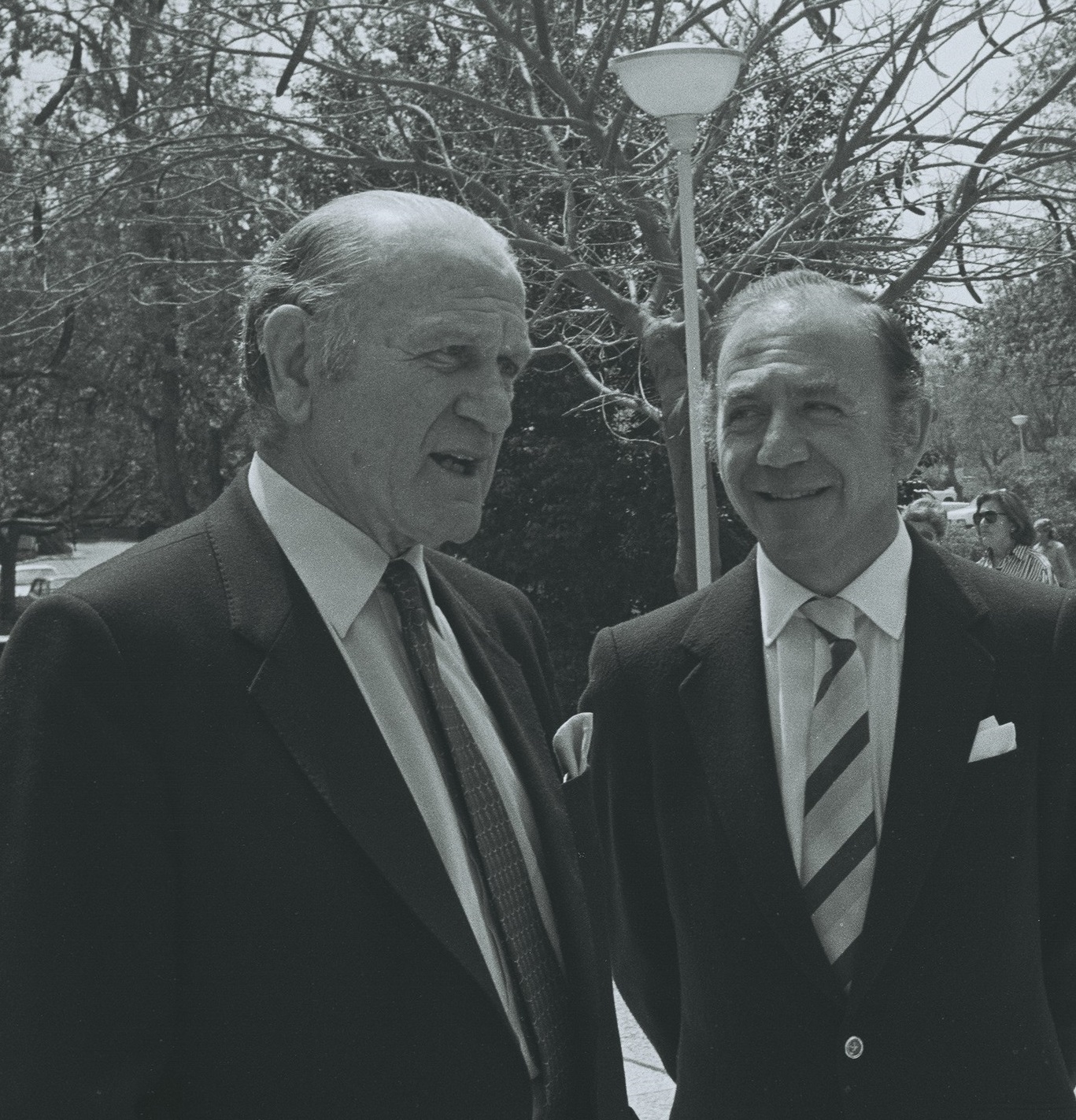
“I learned much from these relationships and began to understand Israel, what it represented, its challenges and potential,” Moross said in a 2013 interview published in Weizmann Magazine. Those friendships, in addition to his connection to the Sieff family, “and the cerebral power at the Weizmann Institute and its exceptional campus was the start of my meaningful relationship with Israel and Weizmann,” he said.
A legacy of philanthropy and leadership
Mandy and Edna Moross’ philanthropy was directed to three main areas: robotics, cancer, and the legacy of Dr. Chaim Weizmann, founder of the Weizmann Institute.
In 1981, the couple made their first gift to the Institute, establishing a professorial chair in memory of Mandy’s deceased father, the Dr. Hymie Moross Professorial Chair. Today it is held by Prof. Irit Dinur of the Department of Computer Science and Applied Mathematics. Its previous incumbent was Prof. Emeritus Tamar Flash of the same department, an expert in motor control in humans and the use of robotics. “I will always remember and be grateful to Mandy Moross and his family,” says Prof. Flash. “Thanks to Mandy and his family, their warmth and friendship towards me, and their keen interest in our scientific research, we were able to carry out our work over the years.”
Then, in 1996 came the establishment of the Moross Laboratory for the Study of Vision Research and Robotics, run by Prof. Emeritus Shimon Ullman. In 2009, they established the Moross Research School of Mathematics and Computer Sciences, the graduate studies component of the Institute, under the Weizmann School of Science.
The Morosses’ first gift in cancer research came in 1998, a visionary contribution that established the M.D. Moross Institute for Cancer Research, which at that time was the biggest one-time gift to the Institute. It enabled cancer research to grow and expand over the next two decades, and in 2019 the Moross family made another magnanimous gift to establish the flagship Moross Integrated Cancer Center.
“Immediately upon meeting Mandy, I was struck by his sharp questions, wise suggestions, and kindness,” says Prof. Yardena Samuels, director of the Moross Integrated Cancer Center (MICC). “The MICC reflects the depth of his vision and commitment to scientific advancement. We remain deeply grateful for his generosity and for the lasting influence he had on all of us. His support has enabled sustained scientific innovation, fostered interdisciplinary collaboration, and will continue to drive advances in cancer research for years to come.
Moross acquired the original written correspondence between Dr. Chaim Weizmann and his UK scientist colleague Harold Davis and donated it to the Institute in 1989 where it is housed in the archives at Yad Chaim Weizmann. In another tribute to the memory of Dr. Weizmann, they funded the restoration of Dr. Weizmann’s laboratory in 1993, located in the Daniel Sieff Research Institute building.
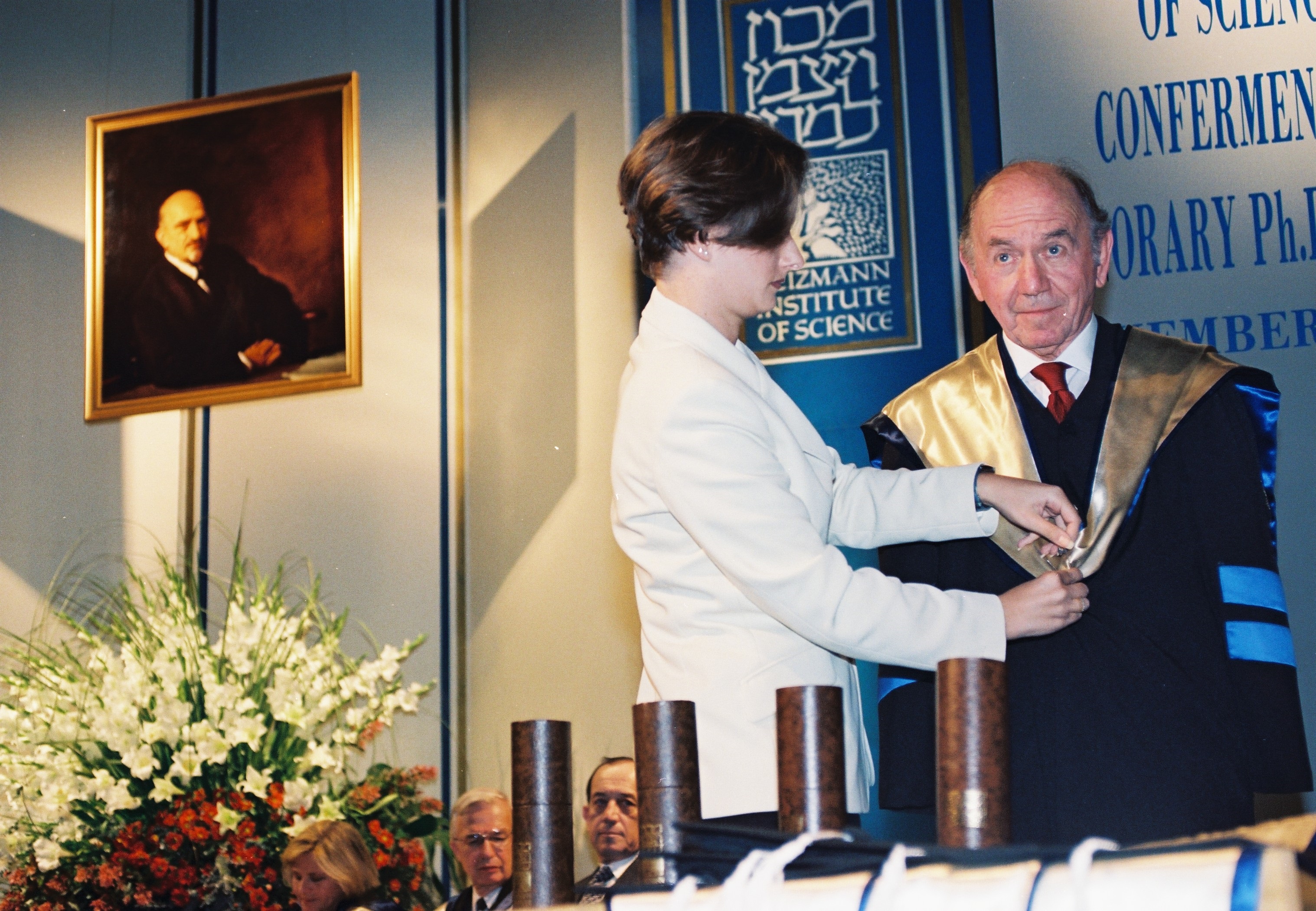
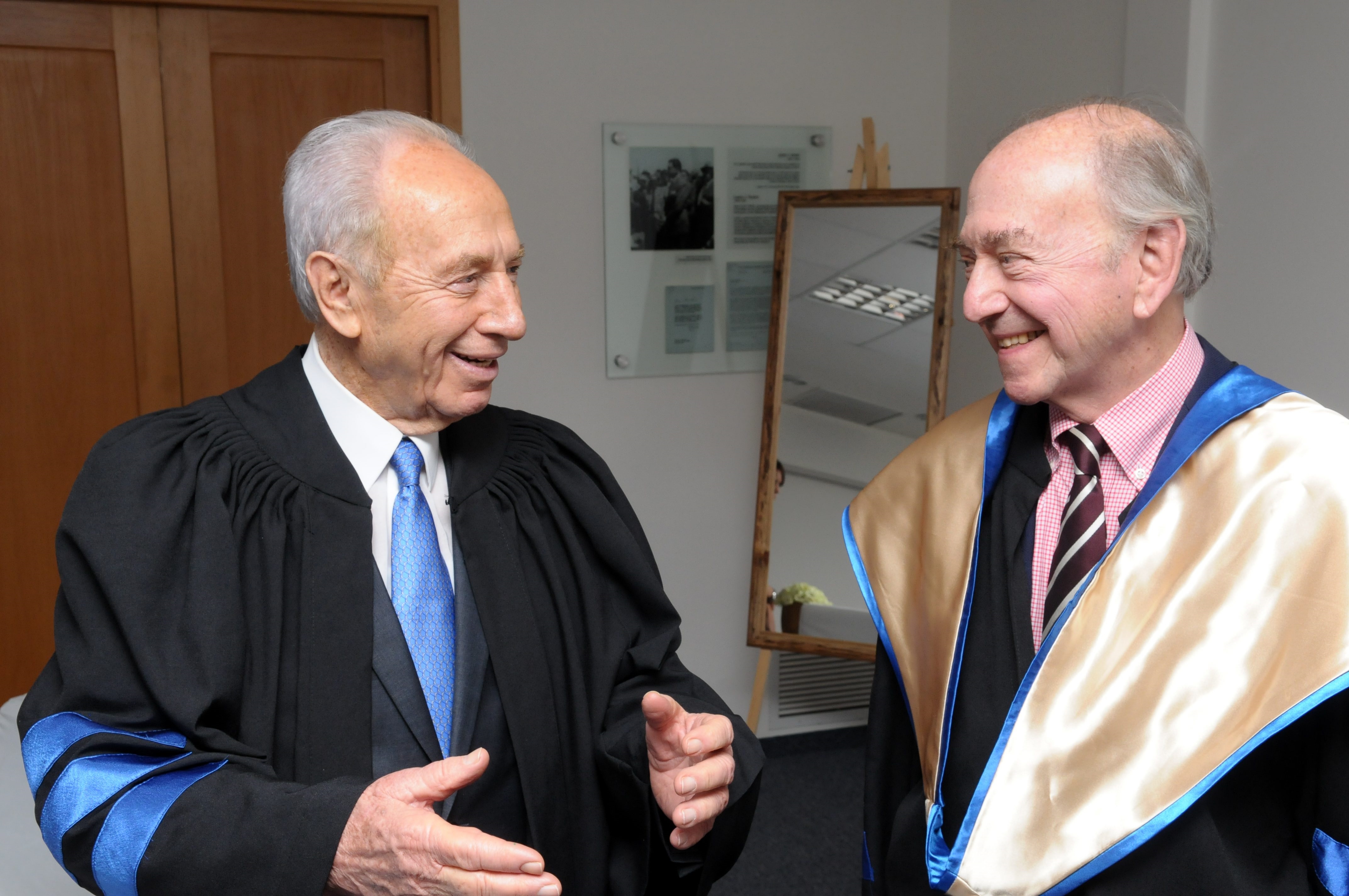
For his immense contributions to the Weizmann Institute, the Institute bestowed upon him a PhD honoris causa in 1998. Mandy and Edna are also members of the prestigious President’s Circle.
Jewish continuity and family
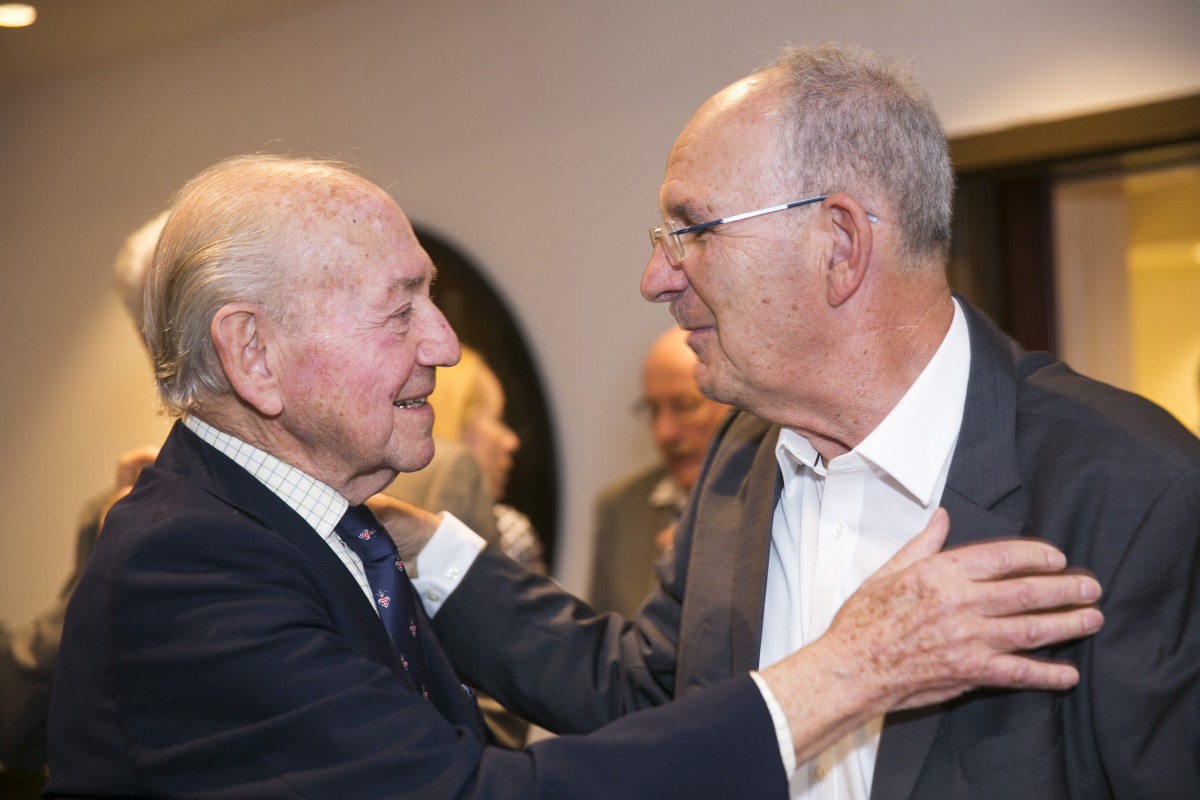
Known for his refined British manners and etiquette, Moross was also a family man with a strong sense of commitment to Jewish continuity. He attached utmost importance to inspiring future generations of his family to become involved in Weizmann, and his passion has rubbed off on his four children: sons Dominic, David, and Philip and daughter Karen Siem, all supporters of the Institute in their own right. In 2025, Dominic was elected Vice Chair of the International Board. David and Karen are members of the International Board and also close friends and generous supporters.
“The output from this Institute is disproportionate to its small size. It is unique in that sense,” he said in 2010. “But my principal drive has always been and is still that if the Jewish people don’t stand up for this Jewish state, [Israel’s] future is at risk, especially now when you have this international public opinion condemning the State of Israel, without justification in my opinion… I think that there is no better way of demonstrating what this state can produce for the world than the [Weizmann] Institute.”
“I am not a religious man and my children aren’t religious, but I want them always… to be identified with Jewishness. And that’s why Israel’s survival is important on a personal level. But on a much broader level, Jews of my generation have never lived so free as we have in the last 62 years” since Israel’s creation in 1948, he said in 2010. “Just think about our history: persecution, abuse, humiliation… We had no state, no power base.”
Always cognizant of the next generation, Moross thought that that the Institute’s success in recruiting new scientists to join its ranks was the best sign of the health of Israel’s future. “Time and again,” he said, “Israelis come back to Israel (after their postdoctoral fellowships abroad), not only because the Institute itself makes offers that can closely compete with the best Western universities, but also because their families are in Israel and they want their children to grow up there. To many people who think Israel is under threat, this is an amazing and important thing for them to hear: that this country and this Institute have created the right conditions to bring back the top minds.”
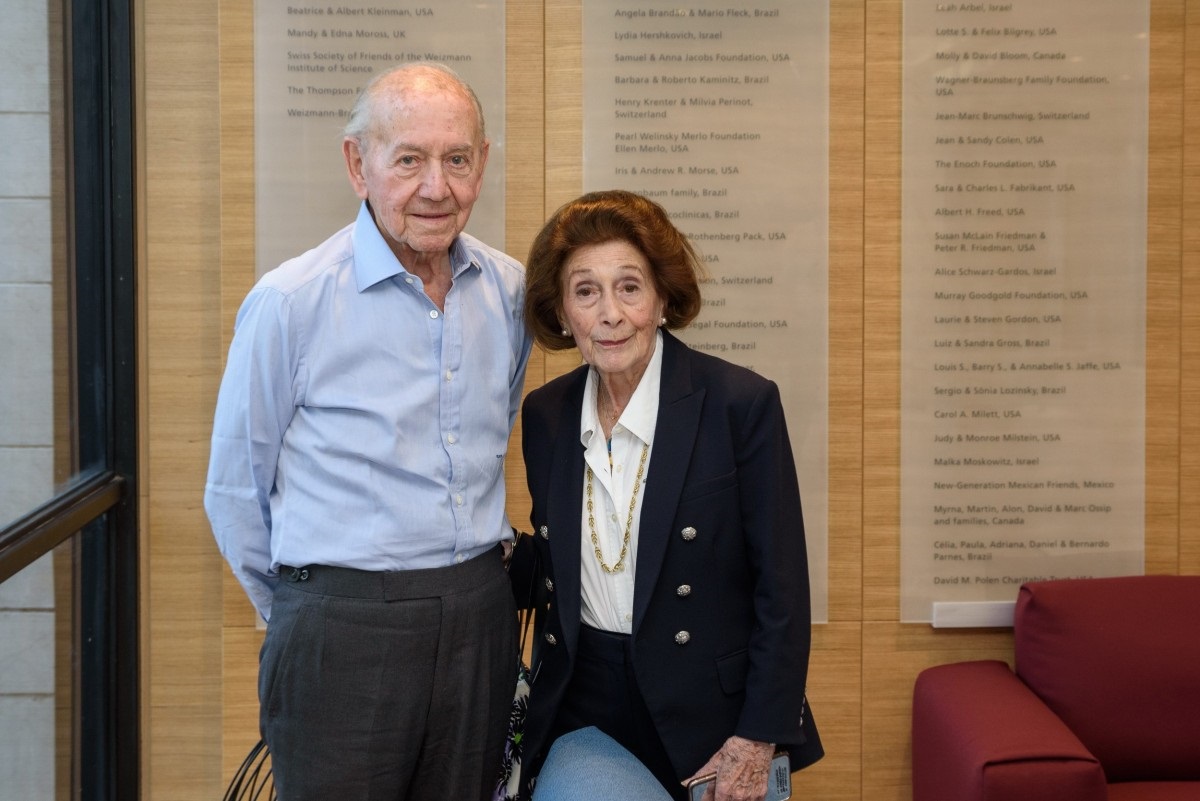
Mandy and Edna’s generosity has extended beyond Weizmann. Amongst many other causes, they are also benefactors of Tate Foundation, the Victoria & Albert Museum and the Courtauld Institute of Art in London.