Our main research interest is to explore the interplay between the cellular metabolic state and circadian clocks and further identify the underlying molecular mechanisms.
Our main research interest is to explore the interplay between the cellular metabolic state and circadian clocks and further identify the underlying molecular mechanisms.
We study the mitochondria, with a focus on one of the most ancient and conserved pathways in this organelle, iron-sulfur (Fe-S) cluster biosynthesis. We aim to shed light on how Fe-S cluster synthesis is integrated into human cell biology in health and disease. To this end, we couple cutting edge genetic and high content tools with cell biology and biochemistry approaches to investigate this vital pathway.
We are interested in understanding how cellular membranes gain their exquisite architecture and how subdomains of the membrane can be reshaped into functional structures that allow the trafficking of material and information in and between cells (e.g. endocytosis, exocytosis, exosomes). We are also fascinated by the process of cell-to-cell fusion, which is necessary for innumerable developmental processes such as fertilization, and myogenesis. To gain previously inaccessible insight into the molecular mechanisms and physiological functions of membrane remodeling, we take a multimodal imaging approach combining several advanced imaging techniques including total internal reflection fluorescence microscopy (TIRF-M), confocal microscopy and correlated light and electron microscopy (CLEM), which we apply to a variety of cell culture and in vivo model systems.
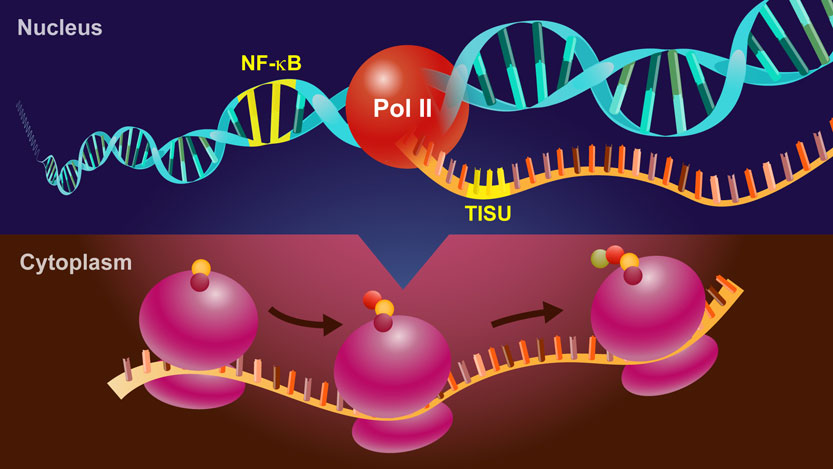
We are studying regulation of transcription and translation in health and disease. Specifically we elucidate how the transcription and translation processes control the cellular response to enviromental stimuli, we investigate the connections between the transcription and translation processes and we develop pharmacological tools to manipulate these processes.
We are studying regulation of transcription and translation in health and disease. Specifically we elucidate how the transcription and translation processes control the cellular response to enviromental stimuli, we investigate the connections between the transcription and translation processes and we develop pharmacological tools to manipulate these processes.
We study the molecular mechanism and regulation of autophagy, a process responsible for the degradation of cytoplasmic proteins and organelles. A particular emphasis is given to the relationship of this catabolic pathway to disease such as cancer and neurodegeneration.
We study the molecular mechanism and regulation of autophagy, a process responsible for the degradation of cytoplasmic proteins and organelles. A particular emphasis is given to the relationship of this catabolic pathway to disease such as cancer and neurodegeneration.
We are investigating long distance signaling mechanisms in neurons and other large eukaryotic cells, primarily an importins/molecular motor-based mechanism that integrates cytoplasmic and nuclear signaling. Currently our main focus is on the roles of this and related mechanisms in neuronal responses to injury and in cellular length sensing.
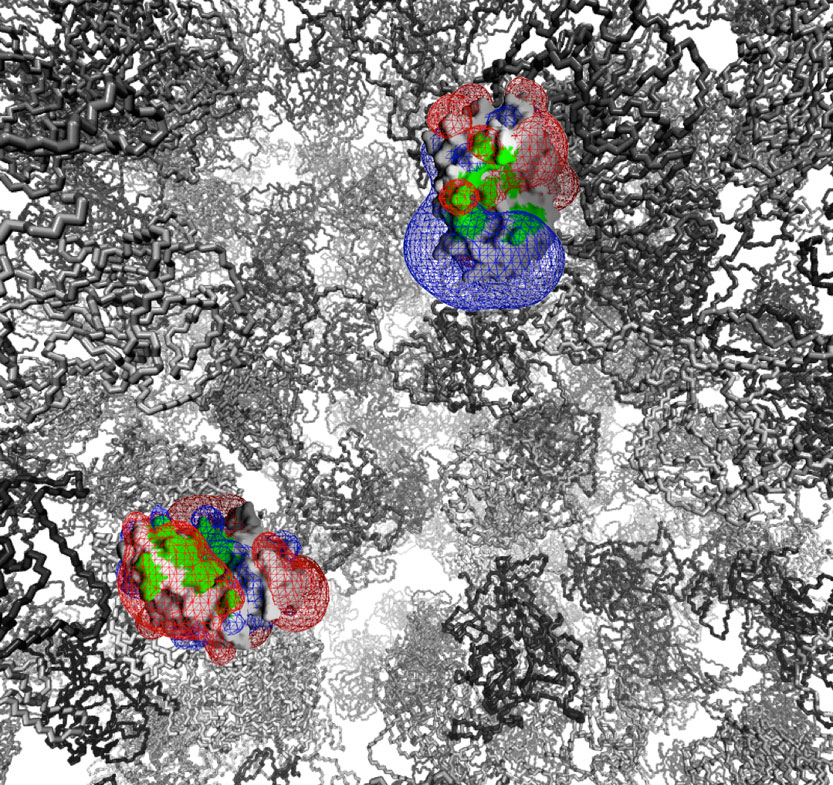
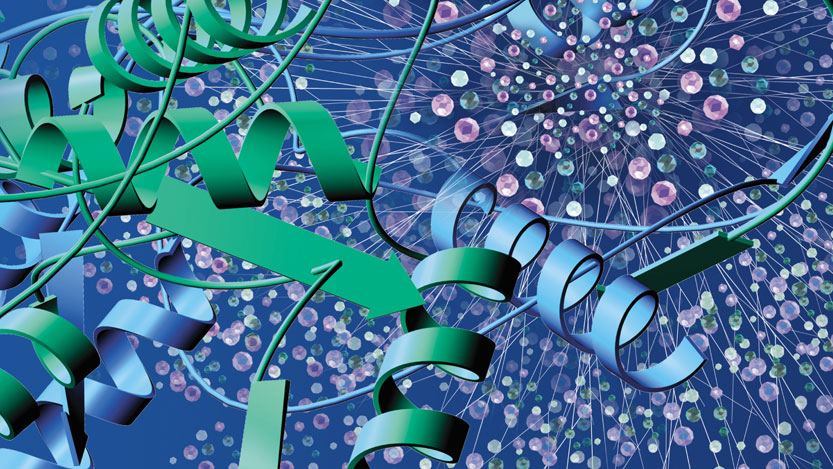
We are interested in how protein function is encoded in the structures of protein binders, enzymes, and antibodies. To test our understanding we computationally design new protein functions not seen in Nature and experimentally characterize these designs. Iterations of design and experimental characterization enable us to understand new features of how protein function is specified in Nature.
We are interested in how protein function is encoded in the structures of protein binders, enzymes, and antibodies. To test our understanding we computationally design new protein functions not seen in Nature and experimentally characterize these designs. Iterations of design and experimental characterization enable us to understand new features of how protein function is specified in Nature.
Membrane proteins make up a quarter of all proteomes and participate in a huge diversity of biological processes. We are studying how these proteins fold and function in the membranes of living cells. We focus on elucidating how the dynamic conformations of membrane proteins help them fold and function, and how the cell recognizes and clears membrane proteins that failed to fold properly.
Proteins mediate nearly all of the essential molecular processes of life. To perform their function, they need to fold into unique structures. At any given moment, thousands of proteins are produced and need to fold in the cell. But folding is an incredibly complex process that very often fails. To deal with this challenge, the cell is equipped with an array of chaperones and proteases, performing quality control functions to safeguard the cell. Failure of these processes underlies numerous devastating diseases. We investigate how these events unfold for membrane proteins, which are proteins that reside at the membrane and make up a quarter of the proteome in every living organism.
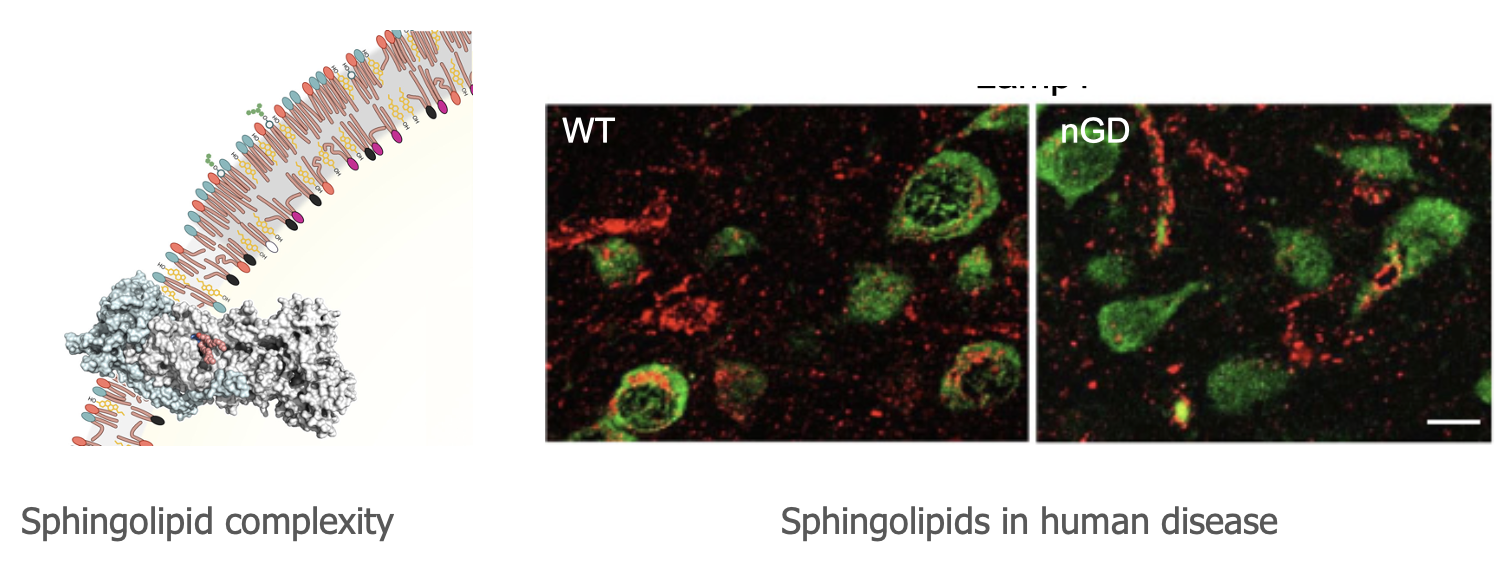
Our laboratory works on sphingolipids, critical membrane components involved in membrane structure and in signaling. We focus on two main areas, namely (i) sphingolipid complexity, attempting to understand why there are so many individual lipid species in biological membranes and how their levels are regulated, and (ii) what happens when sphingolipid metabolism is altered in human diseases, specifically in sphingolipid storage diseases such as Gaucher disease, and the relationship of Gaucher disease to Parkinson’s disease.
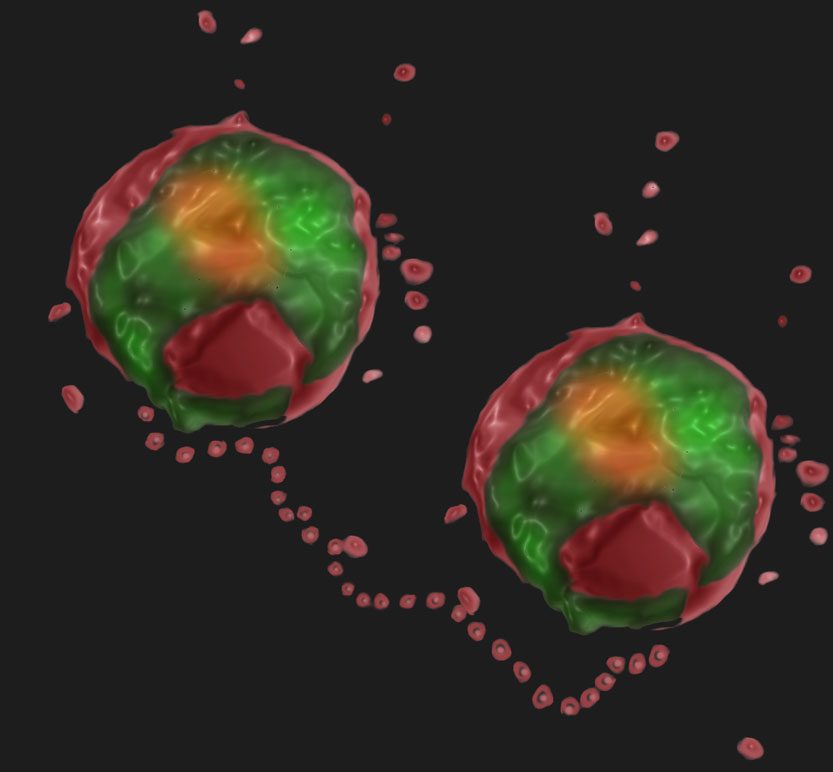
With malaria continuing to be a major global disease, advances toward understanding the basic biology of P. falciparum remain essential. Our studies focus on different aspects of the cellular biology of the malaria parasite. In particular, we aim to explore cell-cell communication pathways between the parasites themselves and their human host.
With malaria continuing to be a major global disease, advances toward understanding the basic biology of P. falciparum remain essential. Our studies focus on different aspects of the cellular biology of the malaria parasite. In particular, we aim to explore cell-cell communication pathways between the parasites themselves and their human host.
We are interested in transport processes and in photosynthesis. Within the realm of photosynthesis we are mainly concerned with dynamic processes that accompany the life cycle of the thylakoid network, including its response to different stresses and its formation and dismantling. Regarding nucleo-cytoplasmic transport, we are particularly interested in its selectivity, the behavior of the ensemble of transporting molecules as it relates to the transport of a single molecule and in applications to gene therapy. In both fields of study, we combine different approaches and methodologies including ensemble and single-molecule biophysical methods, biochemical and molecular biology techniques, statistical mechanical modeling and state-of-the-art electron microscopy.
We are interested in transport processes and in photosynthesis. Within the realm of photosynthesis we are mainly concerned with dynamic processes that accompany the life cycle of the thylakoid network, including its response to different stresses and its formation and dismantling. Regarding nucleo-cytoplasmic transport, we are particularly interested in its selectivity, the behavior of the ensemble of transporting molecules as it relates to the transport of a single molecule and in applications to gene therapy. In both fields of study, we combine different approaches and methodologies including ensemble and single-molecule biophysical methods, biochemical and molecular biology techniques, statistical mechanical modeling and state-of-the-art electron microscopy.
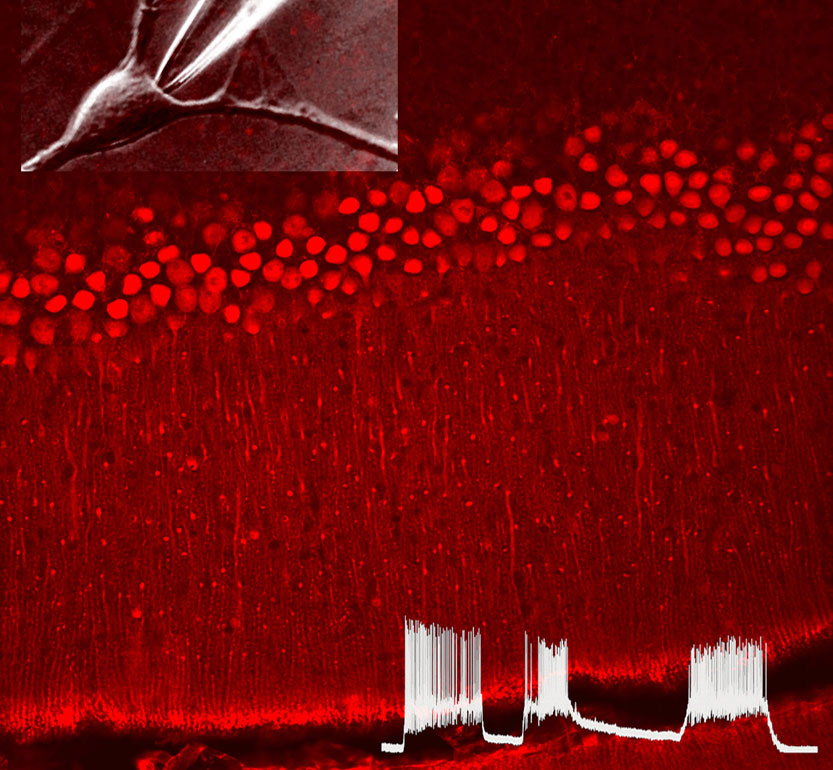
We are interested in deciphering the mechanisms by which extracellular and intracellular signaling queues affect ion channel function, both in excitable and non-excitable tissues. We focus on three main areas: 1) GPCRs-mediated ion channel regulation and modulation, 2) cellular mechanisms that control calcium homeostasis, 3) how physiological functions are affected by ions channels activity.
We are interested in deciphering the mechanisms by which extracellular and intracellular signaling queues affect ion channel function, both in excitable and non-excitable tissues. We focus on three main areas: 1) GPCRs-mediated ion channel regulation and modulation, 2) cellular mechanisms that control calcium homeostasis, 3) how physiological functions are affected by ions channels activity.
Our lab investigates the role of the tumor microenvironment in cancer progression and metastasis. We are interested in the mechanisms by which normal cells are transcriptionally reprogrammed by cancer cells to become pro-tumorigenic, and specifically in the role of stress responses stromal reprogramming and tumor evolution.
For tumors to expand, metastasize, and evade immune surveillance, genetically transformed cancer cells must recruit non-malignant cells, including macrophages, fibroblasts and endothelial cells. These cells, collectively termed the tumor microenvironment, are reprogrammed to support the tumor at the expense of its host. Our group aims to elucidate the mechanisms by which tumors reprogram their local environments. Our goal is to provide a deeper understanding of how tumors develop into systemic malignancies, predict which tumors are more likely to do so, and design therapeutic strategies to overcome these malignancies by targeting genetically stable elements in the tumor microenvironment.
We study the basic physico-chemical principles governing the kinetics, thermodynamics and specificity of protein-protein interactions. The gained knowledge is translated into the development and implementation of protein engineering methodologies. Between other, these are used to study how the interaction of interferon with its receptors results in complex differential responses in cells.
We study the basic physico-chemical principles governing the kinetics, thermodynamics and specificity of protein-protein interactions. The gained knowledge is translated into the development and implementation of protein engineering methodologies. Between other, these are used to study how the interaction of interferon with its receptors results in complex differential responses in cells.
Our group is interested in understanding the relationship between structure and function of large protein complexes. We mainly focus on the investigation of molecular machines involved in the ubiquitin-proteasome pathway. We study the structural arrangements and the mechanisms that control and regulate these cellular machines by applying an emerging structural mass spectrometry approach.
We aim to discover the mechanisms that control and coordinate the activity of molecular machines involved in the protein degradation pathway. To do so we apply novel native mass spectrometry approaches, in conjunction with fluorescence microscopy, biochemical and cell biology methods - generating an integrative mode of analysis combining in vitro and in vivo findings.
Recent studies highlight that in many ways cancer is a disease of chromosomes. Our lab is interested in understanding how catastrophic genomic events occur in cancer. We aim to uncover the molecular mechanisms utilized by cancer cells that lead to chromosome changes with functional outcomes, thereby driving cancer genome evolution.
We focus on studying the mechanisms that promote chromosome instability, a major driver of cancer initiation, metastasis, and drug resistance. Our group aims to understand the plasticity of the cancer genome and how it contributes to disease progression. To do so, we apply chromosome manipulation approaches in cells, to study how single genomic perturbations affect population trajectories. Our goal is to identify vulnerabilities in mechanisms driving chromosome evolution, in order to design next-generation therapies with reduced resistance in patients.
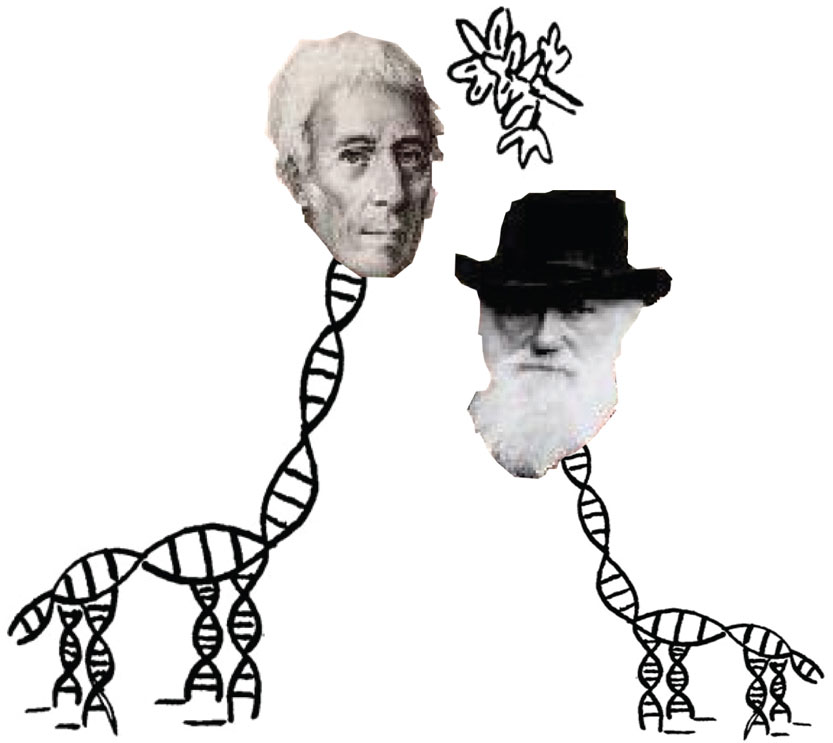
We study epigenetic mechanisms by which developmental plasticity allows the environment to bring about heritable modifications in the developmental program. We approach this with a combination of in vitro (mammalian cells) and in vivo models (the fly, D. melanogaster), in which we confront developmental processes with unforeseen environmental challenges that promote deviations from the selected patterns of development.
We study epigenetic mechanisms by which developmental plasticity allows the environment to bring about heritable modifications in the developmental program. We approach this with a combination of in vitro (mammalian cells) and in vivo models (the fly, D. melanogaster), in which we confront developmental processes with unforeseen environmental challenges that promote deviations from the selected patterns of development.
We are investigating the mechanisms that govern the wiring of the nervous system during development, which includes axonal guidance, pruning and the role of local protein synthesis.
We are investigating the mechanisms that govern the wiring of the nervous system during development, which includes axonal guidance, pruning and the role of local protein synthesis.