Research

Dynamic Computations in the Retina

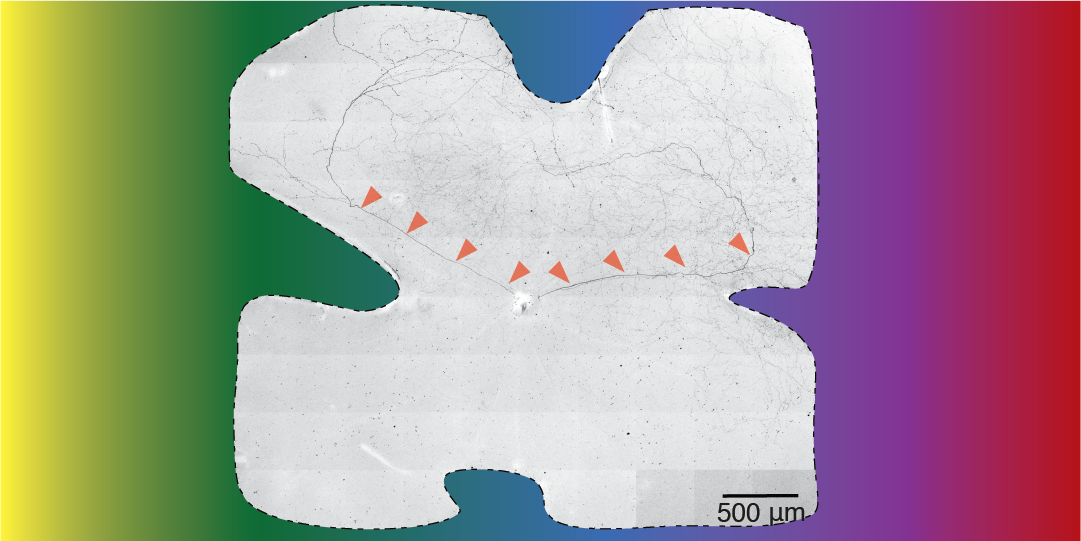
The retina encodes the visual world by splitting incoming information into parallel channels, each tuned to specific features like contrast, motion, color, or orientation. These signals are transmitted to the brain by diverse types of retinal ganglion cells (RGCs). While often viewed as hard-wired, we've shown that RGCs can dynamically shift what they encode. Our lab investigates how defined retinal circuits adapt their function, revealing new principles of neural computation and structure-function relationships in the visual system.


Read more

Topographic Variation in Retinal Computations

Retinal ganglion cells (RGCs) of the same type are typically assumed to respond similarly, regardless of their position in the retina. However, animals view the world through species- and location-specific perspectives. We've shown that RGCs of a single type can exhibit distinct response properties across retinal locations, suggesting that visual encoding is tuned to the behavioral demands of different parts of the visual field.

Read more

Neuromodulators Shape the Retinal Code

Neuromodulators can alter neuronal activity despite fixed anatomical connectivity, thereby contributing to dynamic retinal computation. We found that dopamine, released from retinal interneurons and fluctuating across the day-night cycle, reshapes retinal ganglion cell (RGC) receptive fields in a type-specific way, suggesting that retinal processing varies with circadian rhythm. In addition, we showed that histamine from hypothalamic neurons modulates RGC activity, indicating that retinal processing changes with behavioural state due to elevated histamine levels during arousal.

Read more

Downstream Transfer of Visual Information

The wealth of computations performed by the retina, along with their dynamic nature and topographic organization, raises some crucial questions about how the parallel retinal channels are conveyed to the brain. To address this, we use in vivo Neuropixels recordings in primary visual structures to track how retinal signals are transmitted and transformed downstream.

Read more

Contribution of RGC Subtypes to Visually Guided Behaviors

We investigate how specific retinal computations shape visually guided behavior. Using a combination of behavioral paradigms, genetic tools, and electrophysiology, we explore the contributions of distinct retinal ganglion cell (RGC) subtypes to processes like perception, learning, and decision-making. By bridging circuit-level function with behavior in both naturalistic and controlled settings, we aim to uncover the retina’s active role in driving visually guided actions.

Visual Representations from the Bat’s Point of View

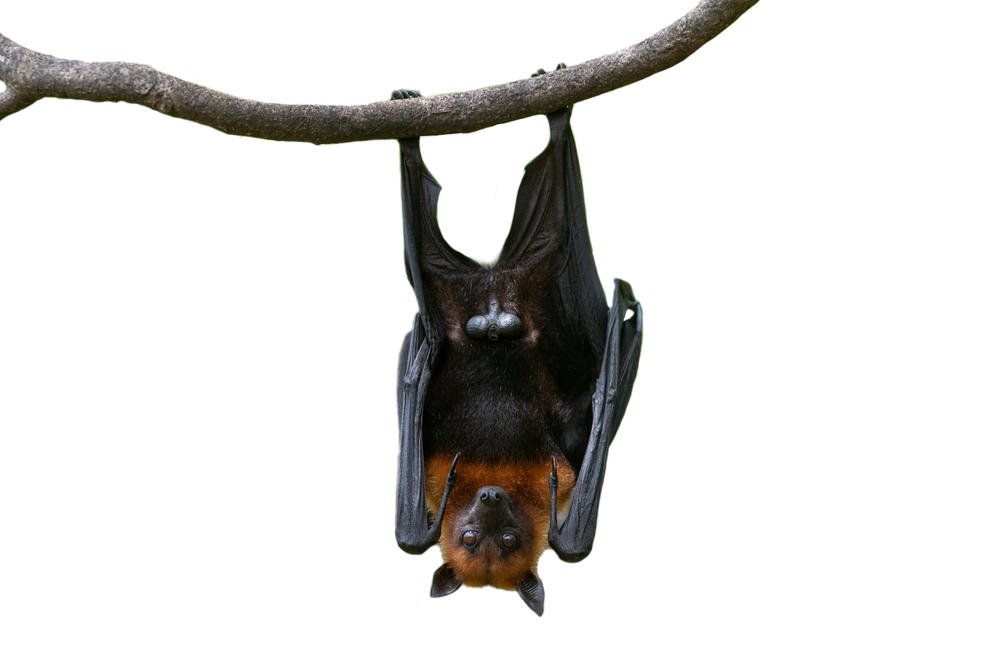
An animal’s visual system is shaped by its behavioral and ecological needs, meaning insights from rodents may not generalize across species. Bats offer a striking example: they fly upright but hang upside down, presenting a unique visual ecology. By studying visual processing in bats, we aim to uncover how neural mechanisms adapt to species-specific demands, offering fresh insight into the relationship between sensory systems and natural behavior.

Using the Retina to Study Neurodegenerative Disease

Because the retina is part of the central nervous system and contains well-defined neuronal subtypes, it offers a unique opportunity to study brain function and dysfunction in a relatively accessible tissue. Several neurodegenerative diseases – including Parkinson’s and Alzheimer’s – affect retinal circuits, often in ways that mirror changes in the brain.

Read more