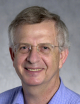
• Picture of Prof. Gershon Kurizki

    Prof. Gershon Kurizki

    Quantum optics of cold atoms .
    Superluminal effects in optics.
    Quantum and nonlinear optics in photonic band gap structures.
    Control of quantum states and decoherence.

    Homepage
  • Picture of Prof. Abraham Shanzer

    Prof. Abraham Shanzer

    Supramolecular chemistry
    Biomimetic ion binders, diagnostic tools in imaging technologies (fluorescent probes) and potential therapeutic agents. Synthesis, using classical and combinatorial chemistry methods and evaluation.
    Synthesis and properties of molecular based devices; molecular sensors, switches and logical gates for application in nanotechnology.
    Surface bound functional assemblies.

    Homepage
  • Picture of Prof. Uri Karshon

    Prof. Uri Karshon

    Heavy quark production at the HERA e-p collider.
    Gluon density in the proton and partonic structure of the photon.
    Tests of QCD dynamics in high energy e-p collisions.
  • Prof. Sara Fuchs

    The basis of D2 dopamine receptor diversity: Cloning, signal transduction, development, and correlation with disease.
    The nicotinic acetylcholine receptor: Structure, function, and regulation of gene expression.
    Myasthenia gravis: Regulatory mechanisms, epitopes, and immunodulation.
  • Picture of Prof. Alexander Finkelstein

    Prof. Alexander Finkelstein

    Effects of the electron-electron interaction in low dimensional and disordered systems.
    Metal-insulator transition in 2D conductors.
    Magnetic fluctuations in high - Tc superconductors.
  • Picture of Prof. Adi Shamir

    Prof. Adi Shamir

    Cryptography, cryptanalysis, electronic money, smartcard security, internet security, complexity theory, the design and analysis of algorithms.
  • Picture of Prof. Alexander D. Bershadsky

    Prof. Alexander D. Bershadsky

    Integrin-mediated cell-matrix adhesions as mechanosensors: molecular requirements for the force-induced focal adhesion growth.
    Cell-cell contact-dependent regulation of the actin cytoskeleton and microtubule system: Role of p120 catenin and other components of cadherin adhesion complex.
    Role of myosin-driven contractility in the retrograde surface flow and cell motility.
    Cooperation between neuregulin, ErbB-family receptors, and cell surface heparan sulfate proteoglycans in the regulation of cell motility and morphogenesis.
  • Picture of Prof. Tamar Flash

    Prof. Tamar Flash

    Robotics, motor control and learning, movement disorders, computational neuroscience, virtual reality.

    Homepage
  • Picture of Prof. Michal Schwartz

    Prof. Michal Schwartz

    The cross-talk between the immune and nervous systems – autoimmunity as a mechanism of tissue repair: Molecular, cellular, physiological and behavioral aspects.
    Immunological aspects of neuronal loss in neurodegenerative and mental disorders (Alzheimer’s, ALS, Huntingdon, Glaucoma).
    Spinal cord injury and repair
    Development of vaccination for neurodegenerative disorders.
    Neurogenesis (stem cells) and inflammation in the CNS.

    Homepage
  • Picture of Prof. Zippora Shakked

    Prof. Zippora Shakked

    Crystal structure and solution studies of DNA oligomers.
    Collaboration with:  Donald Crothers (Yale University)
    DNA regulatory elements
    DNA bending by adenine-thymine tracts
    Structural and biochemical studies of proteins involved in transcriptional regulation.
    The tumor-suppressor protein p53 and its interaction with DNA and the basal transcription machinery
    The leukemia-related RUNX1(AML1) transcription regulator

    Homepage

Pages