Can we even revisit the moment an idea was born, or are we just providing a story in retrospect?
The expression “Eureka” (Greek for “I’ve got it”) is credited to Archimedes, who, according to legend, discovered the law of buoyancy in a bathtub and used it to determine whether the king’s crown was made of pure gold. Thrilled by his discovery, he ran out naked into the street shouting, “Eureka!”
The “eureka moment” occurs when something previously unknown, not understood, or yet to be imagined reveals itself. Sometimes it comes from a deliberate, persistent process; other times from an unexpected source – something someone said, a childhood memory, a coincidence, a dream, a blank stare, or a world-changing event. Sometimes ideas take shape underneath the surface; other times we find out they were there all along. Still other times, they simply refuse to come, leaving us with failed attempts, dead ends, frustration, and doubt.
Scientists and artists alike chip away at the walls of knowledge and imagination without knowing what (if anything) they will find. They pursue a question, a feeling, or an impulse they can’t always explain, trying to give shape to something still unnamed. The eureka moment itself is actually sometimes hard to recall, as though the idea appeared while we weren’t there.
The creators and scientists featured in this performance recount and depict moments of discovery and how ideas that led to scientific or artistic breakthroughs came into existence. This is how we wish to trace the spark, the inspiration, the discovery, and the invention from scientists and creators alike, and introduce audiences to a collection of fantastic ideas alongside the stories behind their conception.
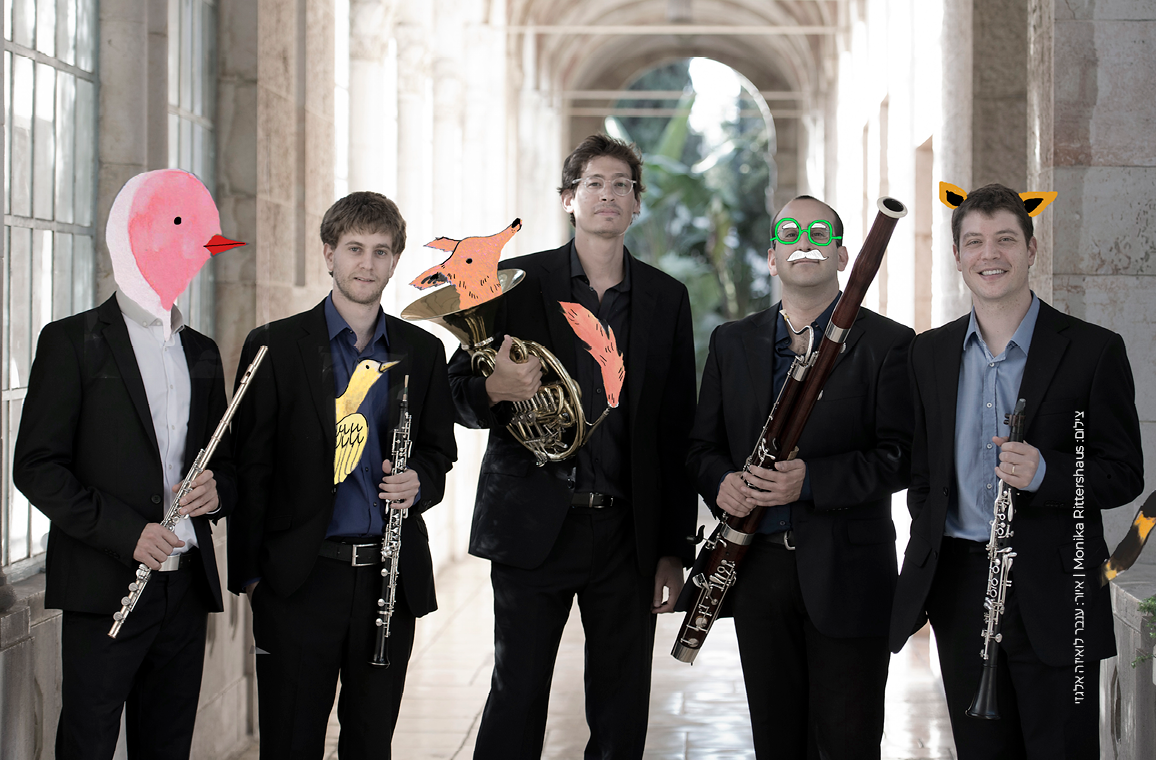
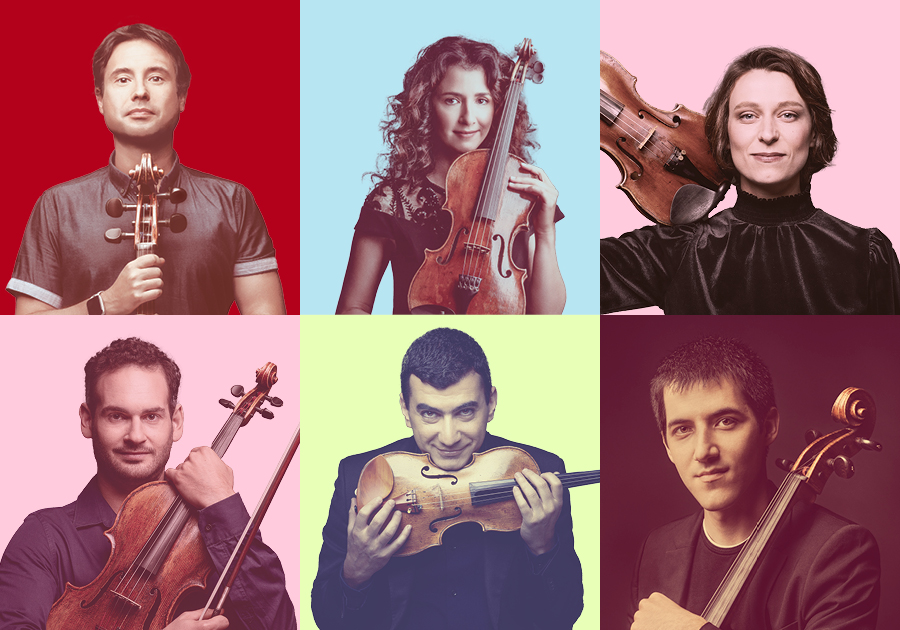
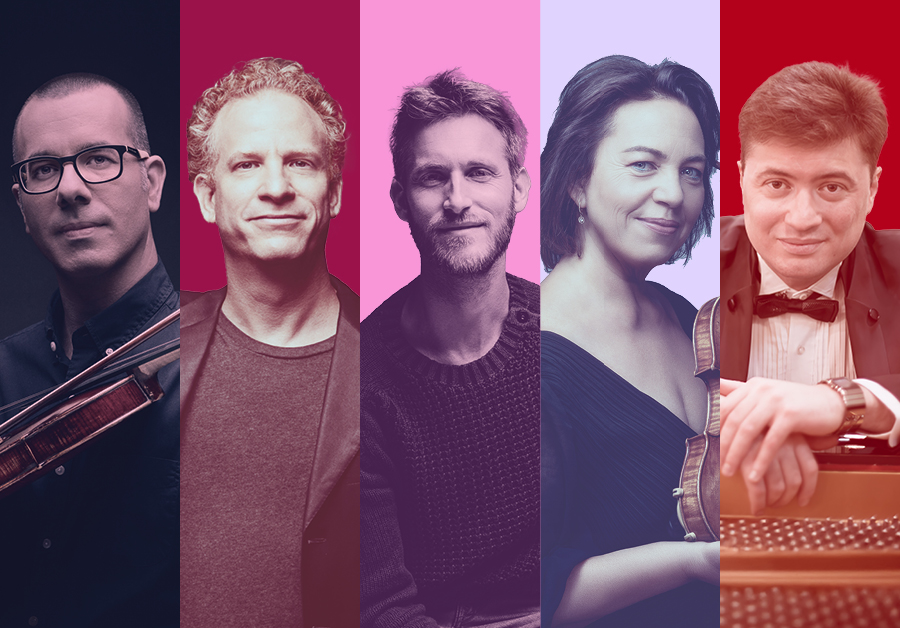
Featuring: Prof. Rafi Malach | Renana Raz | Dr. Eva Mishor | Roy Oppenheim and Zohar Sharon( of the Revolution Orchestra ) Dr. Udi Fonio | Maytal Raz | Dr. Ranit Kedmi | Officer Az-Oolay
Directed by: Yonatan Blumenfeld. Research: Yishai Laub
An original “Art & Culture at Sela” production, supported by the “Braginsky Foundation for the Interface Between Culture and the Humanities” and “Yad Chaim Weizmann”.
Tickets: 60 ₪ | Institute employees: 40 ₪
About the Participants
Prof. Rafi Malach (Neuroscience, Creativity)
A leading neuroscientist at the Weizmann Institute of Science who researches how brain activity generates perception, thoughts, memories, and conscious experience. He is among the pioneers who utilized fMRI to study visual areas and object recognition in the brain, and his current research also explores creativity and spontaneous behavior.
Renana Raz
Choreographer, director, and multidisciplinary artist whose work integrates dance, theater, video, and performance art. Her pieces have been presented in Israel and internationally, and she frequently engages with Israeli society and culture through an original and innovative theatrical language.
Roy Oppenheim and Zohar Sharon (The Revolution Orchestra)
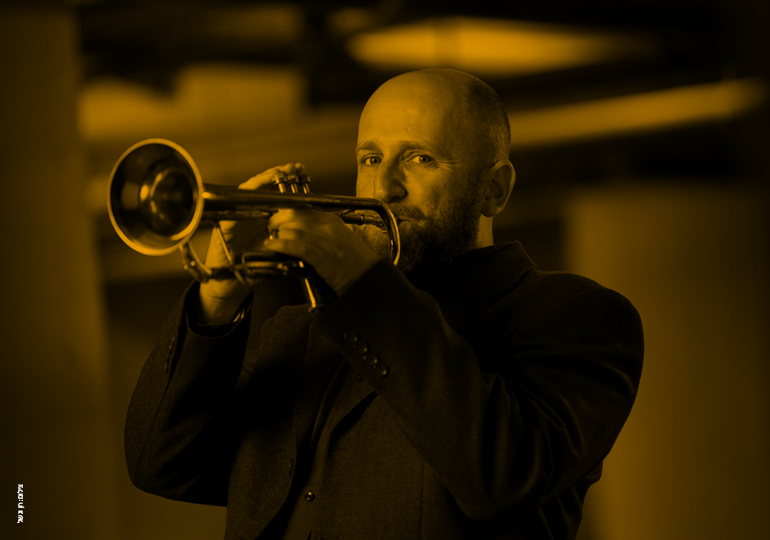
Founders and artistic directors of “The Revolution Orchestra” – Roy Oppenheim (conductor) and Zohar Sharon (composer). For over two decades, they have been leading innovative orchestral creations that bridge music with theater, dance, cinema, and video art.
Dr. Ranit Kedmi (Immune System)
An immunology researcher at the Weizmann Institute of Science, she studies the immune system and how it determines when to attack and when to tolerate. Her research focuses primarily on the relationship between the immune system, food, and gut microbiota, which may help us understand food allergies and diseases such as celiac disease.
Maytal Raz (Actress and Visual Theater Creator)
Actress, puppeteer, and visual theater creator who creates and performs in Israel and abroad. A graduate of the School of Visual Theater in Jerusalem, she is particularly well-known as a creator and for her role as Yasminish in the TV series “Michael”. Her work combines puppetry, acting, humor, and visual theater in a distinct, highly personal style.
Dr. Ehud Fonio (Wisdom of the Crowd)
A zoologist and complex systems researcher in the Department of Physics of Complex Systems at the Weizmann Institute of Science. He uses ants as a model for understanding collective intelligence – how simple individuals, without a central leader, make decisions, convey information, solve problems, and execute complex tasks together.
Officer Az-Oolay (Performance Artist)
A performance artist who created “Officer Az-Oolay”, a clown-police officer character who has been operating in public spaces in Jerusalem since 2020. Through humor, acting, and handing out heart stickers, she transforms encounters between strangers into opportunities for listening, connecting, and human intimacy (even in highly tense situations and during protests).
Dr. Eva Mishor (Neuro Research, Olfactory System)
A neuroscientist trained at the Weizmann Institute in Prof. Noam Sobel’s laboratory, she researches how the sense of smell and subtle chemical signals influence human emotions, aggression, and social behavior.